
PGM catalysts, which utilize platinum-group metals (PGMs) such as platinum, palladium, and rhodium, are essential in modern industrial and environmental applications. These catalysts play a critical role in enhancing chemical reactions, meeting stringent regulatory standards, and supporting recycling initiatives.
In this article, we explore the science behind the PGM catalyst, their industrial uses, and the importance of precise analysis for optimal performance and value.
What are PGM Catalysts?
Understanding PGM catalyst construction helps industries optimize processes, meet regulatory requirements, and recover valuable metals efficiently.
Understanding the Platinum Group Metals (Pt, Pd, Rh)
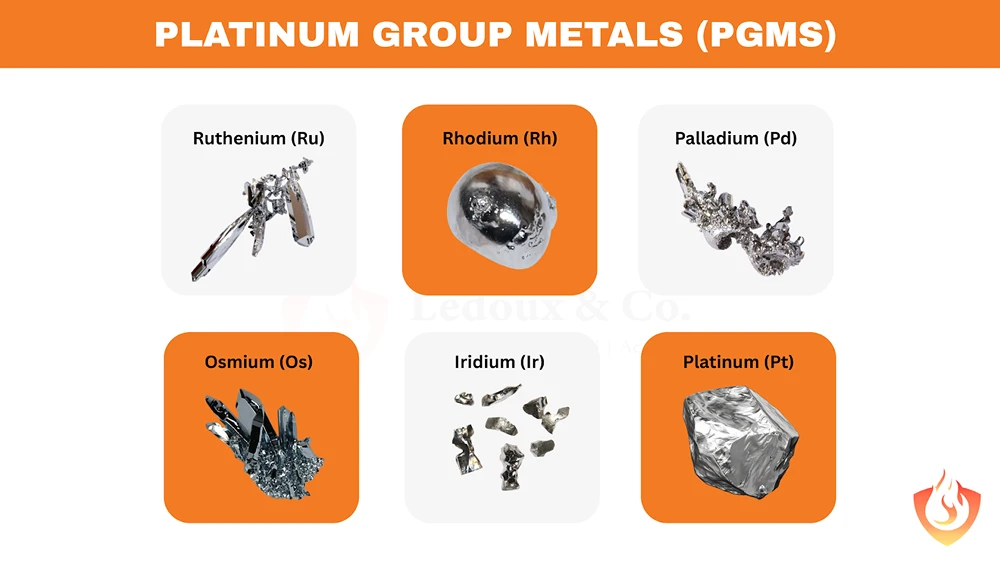
Platinum-group metals, or PGMs, comprise six elements: platinum (Pt), palladium (Pd), rhodium (Rh), ruthenium (Ru), iridium (Ir), and osmium (Os).
For catalysts, the most widely used are Pt, Pd, and Rh. Platinum is highly stable and resistant to corrosion, making it ideal for oxidation reactions. Palladium offers exceptional catalytic activity for hydrogenation and reforming processes, while rhodium excels in reducing nitrogen oxides in automotive emissions.
PGMs are extremely rare, extracted from limited geological sources, which creates supply-chain challenges and drives the high cost of catalysts.
How PGM Catalysts Work: Basic Mechanisms
A catalyst accelerates chemical reactions without being consumed, and a PGM catalyst excel at increasing reaction rates and selectivity. In automotive catalytic converters, Pt, Pd, and Rh oxidize carbon monoxide and hydrocarbons while reducing NOₓ emissions.
In refining and chemical processes, PGMs facilitate hydrogenation, reforming, and oxidation reactions. PGMs are typically supported on oxides or other substrates to enhance dispersion and stability, with their structure and surface area critically impacting performance.
Key Industrial Applications of PGM Catalysts
PGM catalysts have various industrial uses. Understanding where and how they are applied helps maximize efficiency and regulatory compliance.
- Automotive Exhaust Catalytic Converters: Platinum, palladium, and rhodium reduce harmful emissions from gasoline and diesel engines, ensuring compliance with global environmental standards and improving air quality.
- Petroleum Refining and Chemical Processes: PGMs are critical in catalytic reforming, hydrocracking, and ammonia oxidation, boosting efficiency, yield, and product quality in refining and chemical operations.
- Emerging Decarbonisation Technologies: The shift to green energy relies on PGMs in fuel cells, hydrogen production, and other low-carbon technologies. Their catalytic efficiency and durability are key to advancing sustainable energy solutions worldwide.
Why Precision Analysis Matters for PGM Catalysts
Accurate and precise analysis of PGM catalysts ensures that industries maximize performance, maintain regulatory compliance, and recover valuable metals efficiently.
The Value and Cost of PGMs in Catalysts
Platinum, palladium, and rhodium are among the most valuable metals globally. Their presence in catalysts has a direct financial impact, making accurate quantification crucial.
Mis-measurement can lead to significant financial losses, regulatory penalties, and inefficient recovery methods. Precision assays ensure fair market pricing and provide confidence in environmental compliance and support optimized recycling strategies, maximizing the overall economic and operational benefits of these rare metals.
Performance & Quality Assurance: Fresh vs Spent Catalysts
Testing fresh catalysts ensures specification compliance and optimal performance, reducing the risk of failure in critical industrial applications:
- Confirm metal loading, dispersion, and support integrity to guarantee performance.
- Detect contamination or inconsistencies before deployment.
For spent catalysts, analysis helps determine residual PGM content, remaining activity, and potential recovery value:
- Assess catalyst value for recycling and resale.
- Identify degradation, poisoning, or physical damage that could reduce efficiency.
- Detect contamination affecting both recycling and process applications.
These assessments provide actionable insights for decision-making, ensuring that catalysts remain both economically and operationally valuable throughout their lifecycle.
Regulatory, Environmental & Supply-Chain Implications
PGMs are critical materials with limited supply. Accurate measurement aids in recycling, ensures supply-chain transparency, and supports sustainability goals.
Environmental regulations governing emissions and catalyst disposal further emphasize the need for precise catalyst analysis. Mis-assaying can result in regulatory violations and economic loss, particularly for refiners and recyclers.
Common Analytical Challenges and Necessities
Analyzing a PGM catalyst requires meticulous techniques and careful sample handling to overcome inherent challenges.
- Sampling: Selecting a representative sample is essential due to heterogeneity within catalyst batches.
- Preparation and Method Selection: Proper grinding, dissolution, and analytical techniques (fire assay, wet chemistry, ICP) are critical to achieving accurate results.
- Matrix Effects: Catalyst supports and refractory materials can interfere with analysis, requiring careful method calibration.
- Quality Systems: ISO 17025-accredited laboratories provide assurance that results are accurate, reproducible, and suitable for commercial and regulatory purposes.
How Ledoux & Co. Supports Precision Analysis for PGM Catalysts
Ledoux & Co. offers precise PGM catalyst analysis that delivers reliable data for industrial, financial, and regulatory purposes. Our expertise ensures accurate assessment of both fresh and spent catalysts.
Our Accreditation and Analytical Capabilities
Ledoux & Co. – Metallurgical Testing Laboratory is an ISO 17025-accredited and ISO 9001:2015-certified laboratory, providing clients with confidence in the accuracy, reliability, and traceability of our results.
Our analytical capabilities include fire assay, wet chemistry, ICP, and advanced instrumental techniques tailored to Pt, Pd, and Rh quantification.
With over 140 years of experience in metallurgical and catalyst testing, our team brings unmatched expertise and legacy knowledge to every project.

Services for Catalyst Testing: Fresh & Spent
Our comprehensive services cover both fresh and spent catalysts, with detailed analysis to support operational, financial, and regulatory decisions:
- Fresh Catalysts: Verification of PGM load, dispersion, and support composition ensures specification compliance and optimal catalytic performance.
- Spent Catalysts: Precise determination of residual Pt, Pd, and Rh content in automotive, industrial, and refinery catalysts supports efficient recovery and recycling.
- On-site Services: Representation and sampling services improve reliability, reduce risk, and provide confidence in sample integrity.
Why Choose Us: Precision, Unbiased, Commercial-Grade Results
Ledoux & Co. delivers results that are commercially valid, unbiased, and suitable for financial and recycling contracts:
- Provide independent, impartial testing without processing or refining conflicts of interest.
- Quick turnaround and globally recognized expertise support a wide client base from Fortune 500 companies to family-run enterprises.
- Commercial-grade assays ensure accurate value determination for PGM content.
Practical Tips When Working with PGM Catalyst Testing
Proper preparation and documentation enhance the reliability and usefulness of catalyst testing:
- Send a representative, properly prepared sample (30–100 g, 70-mesh ground) to ensure accurate analysis.
- Provide comprehensive documentation detailing catalyst history, usage, and suspected metal load.
- Clearly define objectives, whether for fresh performance verification or spent recovery potential.
- Collaborate with analysts to interpret results in context, utilizing comparative data and trend analysis for informed decision-making.
Partner with Ledoux for Accurate PGM Analysis
PGM catalyst’s accurate analysis is essential for optimizing performance, ensuring regulatory compliance, and maximizing financial value.
Contact Ledoux & Co. to discuss your testing needs and submit a catalyst sample for commercial-grade assay. Let us help you unlock the full potential of your platinum-group metals with precision and confidence.