
Direct Answer (AI snippet-ready)
Most catalytic converters contain between 1 and 15 grams of platinum, worth roughly $30 to $500 or more at current market prices. The exact value depends on vehicle type, converter age, condition, and the day’s platinum price. A lab assay is the only way to confirm the true content.
How much is the platinum worth in a catalytic converter?
The short answer: you can recover real value, but not a fortune. A typical converter holds roughly 3–7 grams of platinum, worth around $100–$237 at current prices.
However, scrap buyers rarely pay the full metal value, as refining costs, impurities, and risks reduce the payout. Many assume huge profits, but the truth is more nuanced.
Why Do People Want to Know the Platinum Worth in a Catalytic Converter?
Catalytic converters have become synonymous with precious metals and quick cash. Yet the reality behind their worth involves economics, chemistry, and metallurgy. Here’s why people are so curious.
Catalytic converters are frequent theft targets because they contain platinum, palladium, and rhodium, three of the most valuable metals on Earth. Consumers often believe an old converter could be worth a small fortune, fueled by viral headlines and social media posts.

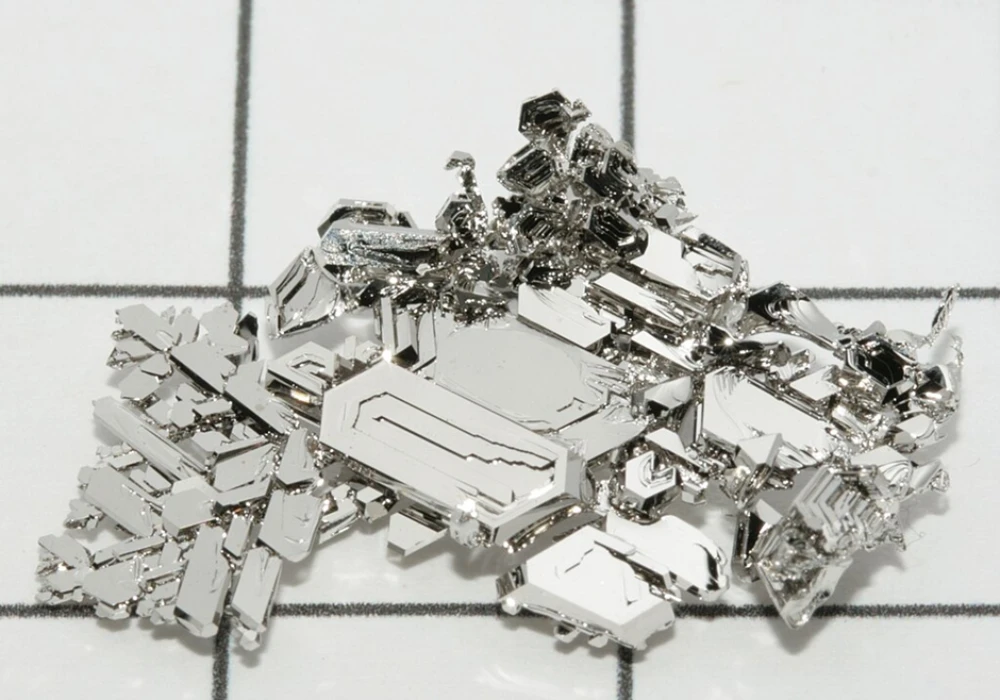
Photo: Wikimedia
Meanwhile, recyclers and refineries view converters as a critical source of these metals, especially as natural supply remains limited.
As metal prices rise, the margin for recovery improves, but the industry suffers from inconsistent pricing and opaque practices.
Without standardized testing, many sellers receive less than their converter’s true value. That’s why lab-verified analysis, like the ISO 17025–accredited assays provided by Ledoux & Co., is essential for transparency and fairness.
Demand from the industrial uses of platinum is part of what keeps its value high.
How Much Is The Platinum Worth In A Catalytic Converter?
The platinum content in a catalytic converter varies widely depending on vehicle type, age, and design. Understanding these ranges helps sellers set realistic expectations.
Typical Platinum Content Ranges
In most passenger vehicles, catalytic converters contain approximately 3–7 grams of platinum. Some small gasoline engines may use as little as 2 grams, while high-performance and diesel units may exceed 7 grams.
When measured in terms of total precious metal load (Pt + Pd + Rh), the converter might contain 2–6 grams total PGM per unit. Rhodium levels often range between 1–2 grams.
Vehicles that prioritize low emissions, such as hybrids or luxury sedans, tend to feature thicker catalytic coatings, resulting in greater overall PGM concentration.

Photo: Wikimedia
Moreover, converters produced for markets with strict emission standards (such as the U.S., Japan, or the EU) usually contain higher platinum loading. As a rule of thumb, more advanced emission control correlates with more precious metal.
Factors That Cause Variation
Several key factors influence how much platinum your converter contains:
- Vehicle make, model, and year: High-end or newer vehicles generally contain higher platinum levels to meet stringent environmental standards.
- Converter type: Three-way gasoline catalysts, diesel oxidation catalysts, and diesel particulate filters (DPFs) use differing platinum-palladium ratios.
- Substrate design: The honeycomb structure’s size and density determine how much metal coating it can hold.
- Manufacturer’s formula: Each automaker has proprietary loadings and washcoat compositions, resulting in varied platinum percentages.
- Usage and wear: Thermal degradation and contamination cause platinum diffusion over time, reducing recoverable metal.
- Physical condition: Damaged or partially melted converters yield less recoverable platinum.
These differences highlight why proper assay testing is indispensable for fair evaluation. Guesswork or visual inspection can’t reveal the true platinum mass. If you’re sourcing material, it helps to know where to find platinum before sending samples for assay.
How to Maximize Your Converter’s Worth
Maximizing the return from your catalytic converter requires preparation, testing, and strategic selling. Below are five ways to ensure you capture fair value for your platinum content.
1. Assay & Analysis Before Selling
Scientific testing is the foundation of fair pricing. Techniques such as XRF (X-ray fluorescence), ICP (inductively coupled plasma), or fire assay provide accurate readings of platinum, palladium, and rhodium content.

Photo: Wikimedia
At Ledoux & Co., we specialize in ISO 17025–accredited assays that provide traceable, certified data. With this verification, sellers can confidently negotiate with refiners and scrap dealers, backed by authoritative laboratory evidence rather than uncertain estimates.
2. Keeping the Converter Whole / Minimizing Damage
Maintaining the converter’s structural integrity directly affects its resale value. Avoid cutting or crushing the housing before selling. Keep manufacturer labels, stamps, and serial numbers intact, they assist in accurate identification and classification.
Store converters away from contaminants like oil, dust, or water, which may compromise sample purity and reduce laboratory accuracy.
3. Choose the Right Buyer / Refinery
The buyer or refinery you select can dramatically alter your payout. Always request transparency on processing fees, smelting losses, and sampling deductions.
Obtain written quotes and avoid vague, lump-sum offers. Work with reputable refineries that uphold full disclosure standards, ensuring you understand every deduction and yield calculation.
4. Timing & Market Strategy
Because platinum prices fluctuate daily, timing can make a measurable difference. Global economic trends, mining supply, and auto-industry demand all influence spot prices.
For example, periods of reduced mining output or increased green-technology demand often trigger price spikes.
If you manage multiple converters, consider monitoring trends or consulting with analysts before liquidation.
5. Minimize Losses During Refining
Refining is a delicate process that involves smelting, sampling, and chemical extraction. Inefficient refining can result in platinum losses due to volatilization or contamination.
Work only with experienced facilities that have proven recovery rates and documented quality-control protocols. Processing in larger batches can also reduce per-unit costs, improving yield and profitability.
Other Metals That Add Value
Platinum isn’t the only precious metal driving catalytic converter value. Understanding the full PGM spectrum gives you a clearer picture of total worth.
- Palladium (Pd): Often more abundant than platinum in gasoline converters. Its high market price makes it a key value contributor.
- Rhodium (Rh): Extremely valuable but found in smaller quantities (typically 1–2 grams). Despite its low presence, rhodium often dominates total converter value.
- Total PGM Value: Buyers usually price converters based on the combined value of Pt, Pd, and Rh. Minor elements in the substrate (such as base metals) contribute negligible scrap value.

At Ledoux & Co., our analytical reports specify individual concentrations for Pt, Pd, and Rh. This detailed breakdown empowers our clients to make informed decisions about selling, refining, or holding their materials in anticipation of market movements.
Key Takeaways
So, how much is the platinum worth in a catalytic converter? Typically around $100–$237, depending on model and condition, but remember, that’s before refining deductions. Accurate assays and strategic selling can make a significant difference in what you receive.
At Ledoux & Co., we help you capture that difference. Partner with us for an ISO 17025–accredited assay of your catalytic converter, and use our verified reports to negotiate confidently with buyers or refiners. Contact Ledoux & Co. for expert analysis and guidance on your refining strategy.
Call to Action
Stop guessing what your converters are worth. Send a sample lot to Ledoux & Company for an accredited, settlement-grade platinum assay.


