ICP analysis for metals determines the elemental composition of metal samples with exceptional precision. This technique helps manufacturers, refiners, and recyclers verify material quality through inductively coupled plasma technology, providing rapid, multi-element analysis with detection limits reaching parts-per-trillion.
In this article, we’ll explore how ICP analysis works, its benefits, applications across industries, and why it’s essential for your metal testing needs.
ICP Analysis for Metals: What It Is and How It Works
ICP (Inductively Coupled Plasma) analysis is a highly sensitive laboratory technique used to identify and measure the elemental composition of materials. We utilize this technology extensively in our metallurgical laboratory, particularly for precious metals testing, catalyst analysis, and electronic scrap evaluation where precision is paramount.

The process unfolds in three main steps:
- Sample Preparation: Solid metals are digested in strong acids (like aqua regia) to turn them into liquids, while liquid samples can often be analyzed directly.
- Plasma Generation: The liquid sample is pumped into a nebulizer to create a fine mist. This aerosol is injected into an argon plasma torch, which is sustained by a radio-frequency field and reaches temperatures between 6,000 and 10,000 Kelvin. This intense heat vaporizes, atomizes, and ionizes the sample.
- Detection & Analysis: As the excited atoms and ions relax back to their normal state, they emit energy. The instrument measures this output using one of two methods:
- ICP-OES (Optical Emission Spectroscopy): Measures the specific wavelengths of light emitted by the excited atoms. Each element emits a unique optical “fingerprint,” and the intensity of the light is proportional to its concentration.
- ICP-MS (Mass Spectrometry): Passes the ionized sample through a mass spectrometer to separate and measure the ions based on their mass-to-charge ratio. This method offers ultra-low detection limits down to parts-per-trillion levels.
Applications of ICP Analysis for Metals in Industry
ICP analysis for metals serves diverse industrial applications by providing precise elemental composition data essential for quality control, regulatory compliance, and material valuation across multiple sectors.
- Quality control in metal manufacturing: Verifies that raw materials and finished metals (e.g., steel, aluminum) contain the exact elemental composition required.
- Testing precious metal content in catalysts: Quantifies trace quantities of platinum, palladium, rhodium, and other valuable elements in automotive and chemical catalysts.
- Electronic scrap & e-waste recovery: Identifies and measures recoverable or hazardous metals, including gold, silver, copper, and lead, for recycling feasibility.
- Determining specialized alloy composition: Ensures that high-purity or specialized alloys (e.g., aerospace, electronics assembly) meet rigorous industry performance and safety specifications.
- Environmental monitoring and compliance: Tests trace metal contaminants in industrial wastewater, soils, and air particulates to meet local environmental agency regulations.
- Mining and ore analysis: Evaluates the economic viability and exact metal grades of geological and drill-core samples for efficient extraction.
- Petrochemical and lubricant analysis: Analyzes wear metals and additives in engine oils for preventive equipment maintenance and refinery control.
- Pharmaceutical and cosmetic safety: Detects toxic trace heavy metals (e.g., arsenic, lead, mercury) in active ingredients and finished consumable products.
Comparing ICP Analysis for Metals to Traditional Testing Approaches
ICP analysis for metals outperforms traditional testing methods through its exceptional multi-element detection capability, allowing simultaneous measurement of dozens of elements in a single analysis rather than sequential testing required by older techniques. The detection limits for trace elements are significantly lower, achieving parts-per-billion (ppb) to parts-per-trillion (ppt) sensitivity that far surpasses traditional titration methods.
Additionally, ICP offers a wider dynamic range, capable of measuring both major matrix elements and trace impurities simultaneously over 4-6 orders of magnitude, eliminating the need for sample dilution or multiple test procedures that can introduce errors and increase costs.
The efficiency advantages of ICP analysis are substantial, with faster analysis time completing full multi-element profiling in mere minutes compared to hours of wet chemistry. This rapid turnaround doesn’t compromise precision, as ICP delivers exceptional reproducibility with Relative Standard Deviations typically between 0.3% and 2%.
Furthermore, ICP requires reduced sample size requirements, needing only small quantities of digested sample material (e.g., 0.1 – 0.5 grams) for comprehensive analysis, preserving valuable materials that might be limited or expensive.
Traditional methods often require significantly larger samples, which can be problematic when dealing with precious metals, rare alloys, or limited availability materials where conservation is critical.
How Ledoux & Co. Delivers Precise ICP Analysis for Metals
Ledoux & Co. offer both ICP-OES and ICP-MS services to address different analytical needs, providing our clients with comprehensive options for elemental analysis regardless of concentration levels or matrix complexities.
Our ISO 17025 accreditation and ISO 9001:2015 certification demonstrate our commitment to quality and accuracy, ensuring that every analysis meets internationally recognized standards. As an affiliate member of LBMA/LPM, we maintain connections to the global precious metals community and standards, keeping our methods aligned with industry best practices.
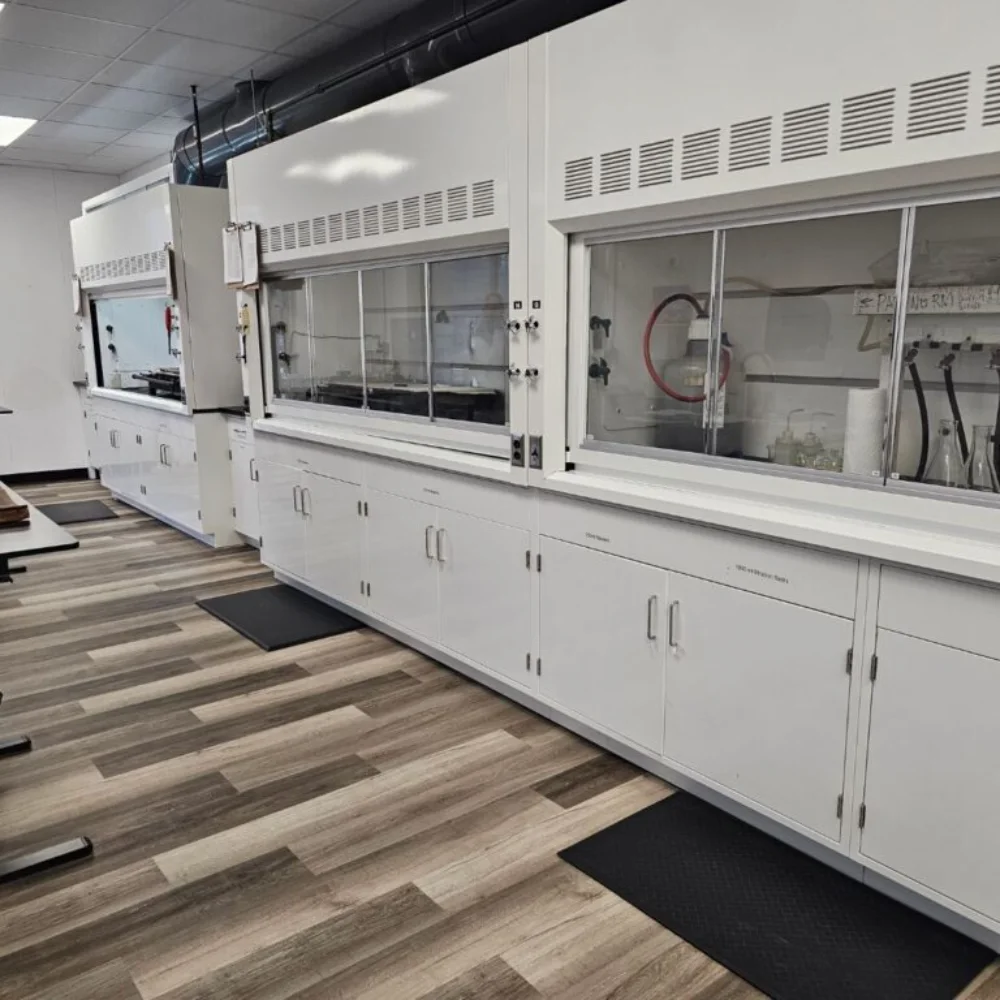
Our sample preparation protocols follow rigorous procedures to ensure representative samples are properly prepared for analysis. We implement comprehensive quality control measures and NIST-traceable standards, using certified reference materials and control samples to verify accuracy with every batch analyzed.
- With over 145 years of experience, we’ve developed specialized methods for precious metals, catalysts, and electronic scrap.
- Our team of expert metallurgists understands the unique challenges presented by different metal matrices.
- We tailor our ICP analysis parameters to optimize detection limits for specific elements of interest.
- Each analysis includes detailed reporting with clear interpretation of results and their commercial implications.
- Our commercial-grade assays are trusted for financial transactions, umpire work, and control purposes.
Key Takeaways
ICP analysis for metals delivers unparalleled accuracy and efficiency for elemental determination across industries. Our ISO 17025 accredited laboratory combines cutting-edge technology with 145+ years of metallurgical expertise.

Partner with Ledoux & Co. for reliable, commercial-grade ICP analysis that ensures the integrity of your precious metals, catalysts, and alloys.
Contact us today to experience the precision that has earned the trust of Fortune 500 companies worldwide.