
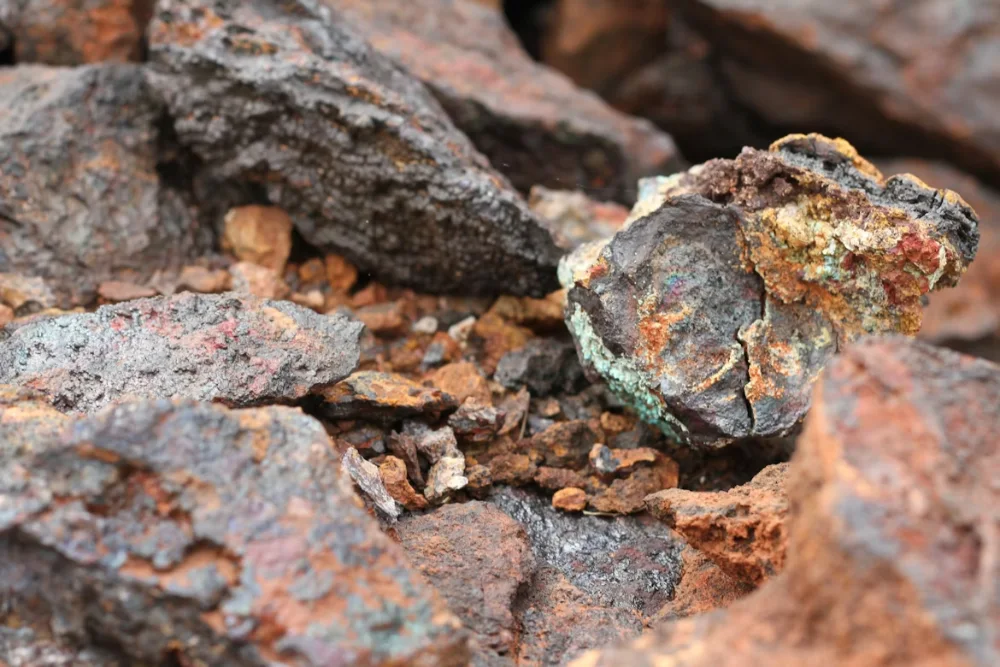
High purity copper analysis determines the exact composition and quality of copper materials used in critical industrial applications. This essential testing identifies trace impurities that can significantly impact copper’s electrical and thermal conductivity, ensuring materials meet stringent industry specifications.
In this article, we will explain the industry specifications for high purity copper and advanced methods for testing.
What Makes Copper “High Purity”? Industry Specifications Explained
High purity copper is classified by the number of “nines” in its purity percentage, with 4N representing 99.99% purity, 5N equaling 99.999%, and 6N indicating 99.9999% purity. These higher nines signify significantly lower concentrations of trace elements that could compromise copper’s performance.
Industry requirements for copper purity vary based on application needs. Standard electrical wiring typically uses 4N copper, while advanced semiconductors, LCD displays, and IC bonding wires demand ultra-high 5N to 6N purity for microscopic precision components. Premium audio cables also utilize high-purity OCC (Ohno Continuous Cast) copper for superior signal transmission.

The relationship between purity and conductivity is directly proportional. Impurity atoms disrupt the crystal lattice of the metal, scattering electrons and phonons. Maximum purity (99.99%) allows for near-perfect electron flow, maximizing both electrical and thermal conductivities.
Common impurities that compromise copper quality include trace elements like iron (Fe), zinc (Zn), lead (Pb), and sulfur (S). Oxygen represents a particularly problematic impurity that can cause hydrogen embrittlement. These elements drastically increase electrical resistivity and negatively affect ductility.
International specifications establish standardized benchmarks for copper quality. The global standard for Oxygen-Free Electrolytic Copper is ASTM B170. For general industry standards, copper classifications are often outlined in ASTM B224 and ISO standards like ISO 1190 or GOST 859-2001.
The Critical Importance of Accurate Copper Analysis for Business
Accurate copper analysis is critical for businesses because it directly impacts electrical performance, financial outcomes, manufacturing quality, and regulatory compliance, making it an essential investment for companies handling copper materials.
- How impurities affect electrical conductivity: Even trace contaminants (like bismuth, antimony, or iron) in amounts as small as 0.05% scatter electrons. This drastically drops conductivity, causes overheating in power grids, and ruins high-speed wire drawing.
- Financial implications of inaccurate purity assessments: In bulk commodity trading and manufacturing, a purity miscalculation of 0.5% can translate to thousands of dollars per ton. Low-grade copper sold as high-grade can trigger expensive recalls and damage brand reputation.
- Quality control benefits in manufacturing: Accurate analysis verifies the exact grade of raw materials before processing begins, preventing defective products, reducing scrap rates, and extending machinery lifespan.
- Regulatory compliance requirements: Various global markets require strict documentation (such as IEC 60228 or ASTM B49) for electrical conductivity. Electronics industries enforce strict heavy-metal and trace-element regulations to prevent system failures.
Advanced Methods for High Purity Copper Analysis
Modern metallurgical laboratories employ sophisticated techniques for high purity copper analysis, with two primary categories of methods serving different analytical needs and detection limits.
Inductively Coupled Plasma Methods for Copper Analysis
ICP techniques represent the gold standard for trace element detection in copper analysis. ICP-MS (Inductively Coupled Plasma Mass Spectrometry) detects ultra-trace elements by separating ions based on their mass-to-charge ratio, while ICP-OES (Inductively Coupled Plasma Optical Emission Spectrometry) quantifies trace elements by measuring characteristic wavelengths of light emitted from thermally excited ions.
The sensitivity of these methods makes them ideal for different purity levels:
- ICP-MS provides parts-per-billion (ppb) to parts-per-trillion (ppt) detection, ideal for ultra-pure 8-9’s (99.999999%) copper.
- ICP-OES covers higher regulatory and bulk trace levels (ppm range) for standard high purity copper analysis.
Sample preparation for ICP analysis requires meticulous attention to avoid contamination. This typically involves total acid dissolution using high-purity HNO3 or matrix-matching internal standards to suppress copper’s dominant signal.
Traditional Fire Assay and Wet Chemical Methods
While modern instrumentation has largely superseded traditional methods for routine analysis, fire assay and wet chemical techniques still serve important roles in specific copper analysis scenarios.
Traditional methods remain preferred primarily for:
- Referee analyses where disputes require definitive results
- Precious metal (Au/Ag) collection from copper materials
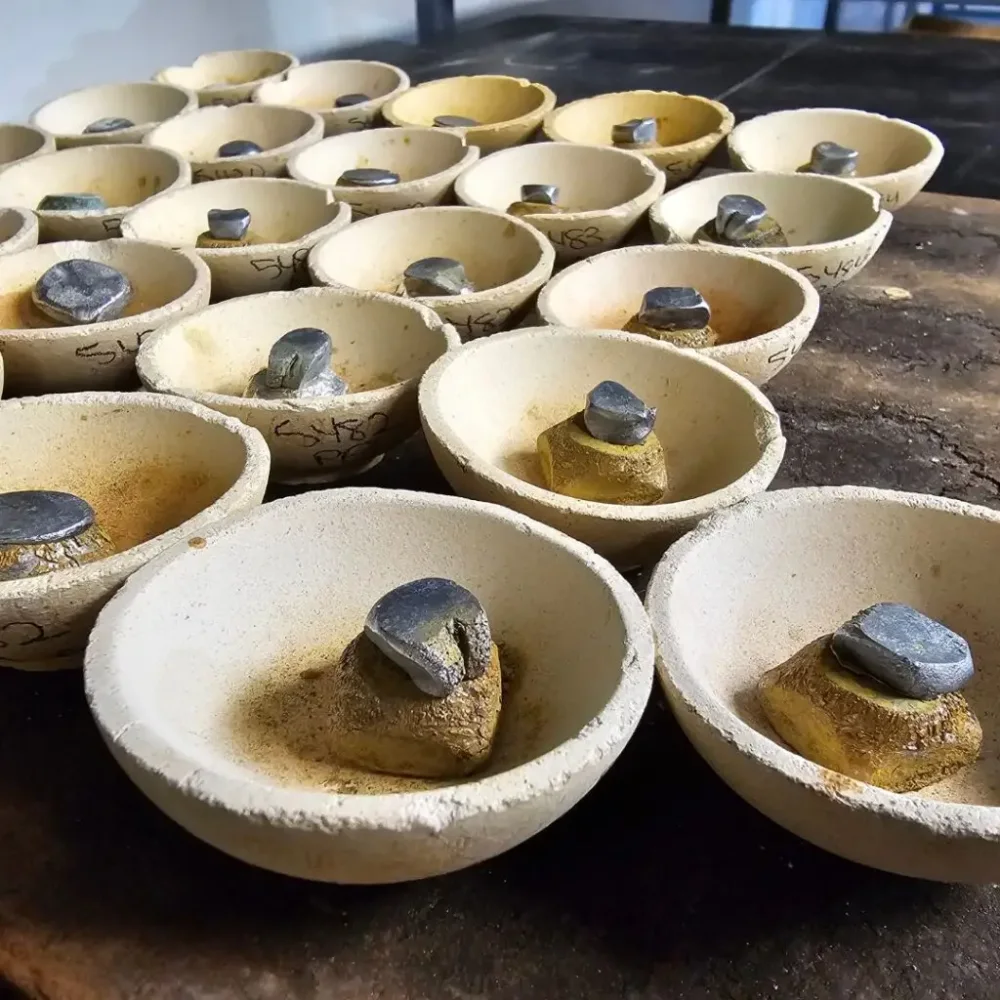
- Evaluating mining drill cores where massive, heterogeneous samples require bulk fire assay enrichment prior to instrumental finish
These traditional approaches offer particular advantages for certain types of copper materials, especially when robust bulk sampling representation is needed. They avoid the micro-homogeneity errors that can skew direct liquid analyses of lower-grade copper ores and concentrates.
When comparing traditional and instrumental methods, several key differences emerge. Fire assays are time- and labor-intensive, generate hazardous waste, and are often destructive.
Conversely, ICP instrumentation offers high-throughput, simultaneous multi-element detection, and lower detection limits for non-precious impurities.
Ledoux & Co.’s Expert Copper Analysis Services
At Ledoux & Co., we offer comprehensive copper analysis capabilities backed by our ISO 17025 accreditation, which signifies our commitment to quality, competence, and reliability in every test we perform. This accreditation confirms that our laboratory operates at the highest industry standards, providing clients with confidence in our scientifically accurate results.
For copper testing, we require a properly prepared sample of 100 grams of 70-mesh ground material that accurately represents the entire lot. This preparation ensures that our analysis reflects the true composition of your material, eliminating sampling errors that could compromise result validity.
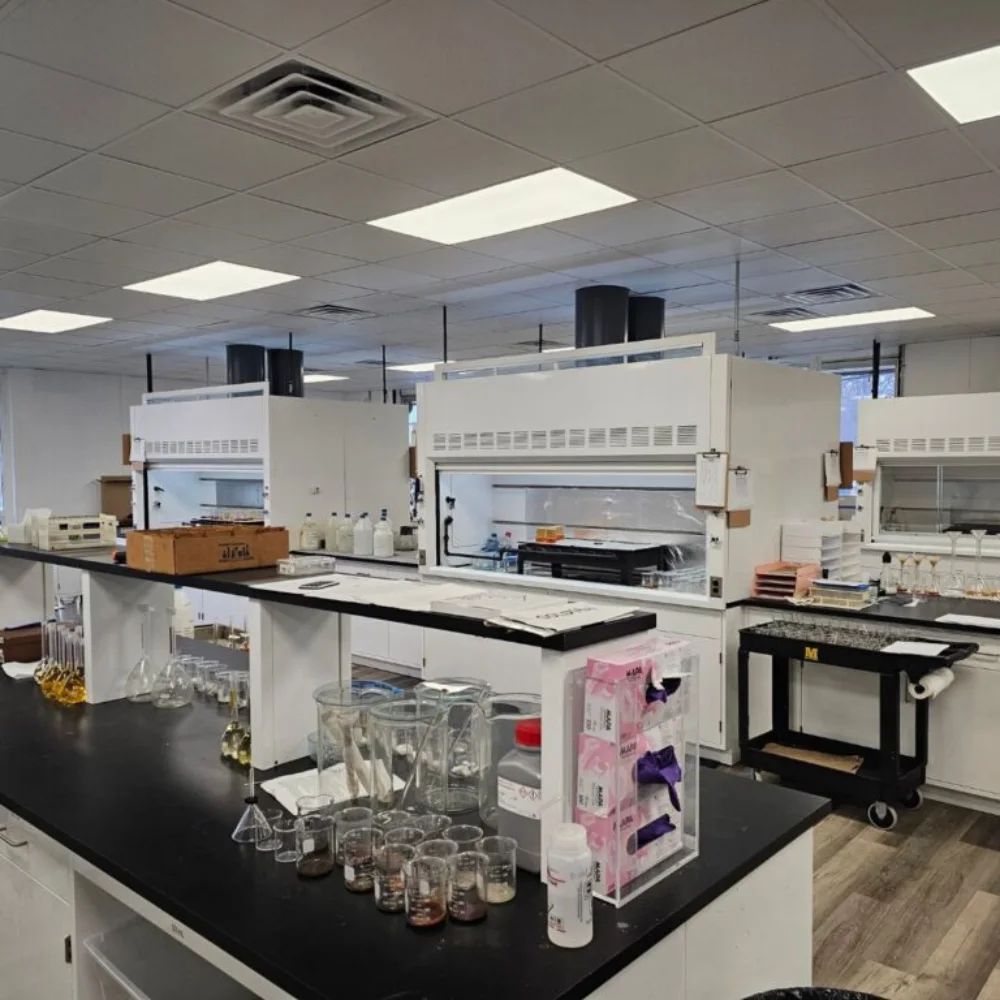
Beyond determining copper content and purity, our analysis also quantifies precious metals like gold and silver that are often present in copper materials. This additional information helps maximize value recovery from your copper-bearing materials.
We understand that timely results are crucial for your business decisions, which is why we offer competitive turnaround times without compromising accuracy. Our reports are detailed and formatted to meet your specific needs, whether for internal quality control, regulatory compliance, or financial transactions.
With over 145 years of experience in metallurgical analysis, our team has developed unparalleled expertise in copper concentrate testing. As an affiliate member of LBMA/LPM, we maintain connections to the global precious metals community, ensuring our methods remain current with international best practices.
Key Takeaways
The essential points about high purity copper analysis can be summarized in four critical business considerations that directly impact your operations and bottom line.

High purity copper analysis protects your investment and ensures product performance. Accurate testing prevents costly manufacturing failures and quality issues. As an ISO 17025 accredited laboratory with 145+ years of experience, we deliver the precision your business requires.
Contact Ledoux & Co. today for reliable, unbiased copper analysis you can trust for critical business decisions.


