

How much platinum is in a Cadillac converter? The average catalytic converter typically contains 2-7 grams of platinum, with Cadillac converters often falling in the mid-to-high range of this spectrum.
Catalytic converters contain precious metals that convert harmful emissions into less toxic gases, making accurate platinum analysis crucial for recyclers and refiners to determine proper value.
This article explores platinum content variables, testing methodologies, and why professional analysis matters for maximizing returns.
Understanding Catalytic Converters and Platinum Content
Catalytic converters are essential emission control devices installed in a vehicle’s exhaust system. These components convert highly toxic exhaust pollutants, such as nitrogen oxides (NOx), carbon monoxide (CO), and unburnt hydrocarbons (HC), into less harmful emissions like carbon dioxide (CO2), water (H2O), and nitrogen (N2). The conversion process relies on the chemical properties of precious metals contained within the converter’s honeycomb structure.
Platinum, along with palladium and rhodium, belongs to a group of precious metals called Platinum Group Metals (PGMs). They are highly effective catalysts, meaning they accelerate necessary chemical reactions (reduction and oxidation) without undergoing permanent changes themselves. Platinum specifically facilitates both reduction (turning NOx into harmless gases) and oxidation (converting CO and HC to CO2 and H2O).

The typical precious metal ranges in converters vary based on multiple factors:
- Platinum: Typically ranges from 2 – 7 grams per converter.
- Palladium: Generally ranges from 2 – 7 grams.
- Rhodium: Typically ranges from 1 – 2 grams
It’s important to note that small cars might only contain 1-2 grams of total PGM, while large trucks or industrial vehicles can contain 12-15 grams. When specifically considering how much platinum is in a Cadillac converter, these vehicles typically fall in the mid-to-upper range due to their engine size and luxury classification.
Variables That Determine Platinum Levels in Catalytic Converters
Platinum content in catalytic converters varies significantly based on several key factors:
- Fuel Type: Diesel vehicles historically favor platinum-heavy configurations, while traditional gasoline vehicles tend to lean more heavily on palladium.
- Vehicle Type & Engine Size: Larger engines (e.g., SUVs/trucks like Cadillacs) require higher PGM loading (8–12g) compared to small cars (3–5g) to process larger exhaust volumes. Heavy-duty diesel engines remain the most platinum-intensive.
- Manufacturing Year & Emission Standards: New 2026 standards, such as China 7 and Euro 7, necessitate higher metal loading to meet stricter NOx and particulate limits. Tighter regulations typically increase PGM demand per vehicle by 25–35%.
- Metal Substitution: A key 2026 trend is the continued substitution of platinum for palladium in gasoline engines due to lower relative costs, a shift that has significantly increased platinum levels in newer gasoline converters.
- Hybrid Vehicle Requirements: Hybrid vehicles often have higher PGM concentrations than standard internal combustion engines. Because their engines cycle on and off, the catalyst must stay “hot” and efficient, leading manufacturers to use thicker coatings of precious metals.
- OEM vs. Aftermarket: OEM converters typically contain 3–5x more precious metals than aftermarket replacements. Aftermarket units often contain only 10–30% of the original metal content to keep costs low.
- Substrate Material: Metallic substrates allow for thinner walls and higher cell density, which can lead to different coating thicknesses and PGM distributions compared to traditional ceramic honeycombs.
How to Accurately Determine Platinum Content
Determining the exact platinum content requires sophisticated testing methodologies to ensure accuracy for commercial transactions. This section explores various testing approaches, from initial screening to definitive analysis.
Limitations of Non-Destructive Testing (NDT) like XRF
While X-ray fluorescence (XRF) is commonly used for initial assessment, it has significant limitations for determining how much platinum is in a Cadillac converter.
XRF only penetrates a few microns deep, providing only surface-level analysis. If a platinum item is plated or has a pure coating over a base metal core, XRF will give a false reading of the entire piece.
Additionally, matrix effects and interferences from heavy elements and complex alloys can interfere with readings, creating false positives or masking trace PGMs.
Why Proper Sampling is Crucial
Platinum, like gold, is rarely homogenous in its raw or ore states. A single localized test can easily miss or over-represent the true concentration of the whole batch.
To ensure accurate results, solid materials must be crushed, pulverized, and homogenized (often using a jaw crusher and a pulverizing mill) to guarantee a representative sample is taken for testing. This preparation step is fundamental to obtaining reliable data on platinum content.

Fire Assay as the Gold Standard
Fire assay remains the most reliable method for precious metal determination:
- Crucible Fusion: The pulverized sample is combined with flux and a collector (typically lead or nickel sulfide) and melted in a furnace. The collector absorbs the platinum.
- Cupellation/Separation: The collector is oxidized and absorbed, leaving behind a pure precious metal prill (bead).
This traditional method, while time-consuming, provides the most accurate foundation for subsequent analysis.
ICP Analysis for Precise Determination
Inductively Coupled Plasma (ICP-OES or ICP-MS) offers exceptional precision once platinum is isolated. After isolation via fire assay and dissolution in aqua regia, ICP techniques are used for highly precise, multi-elemental analysis.
The technology allows for the detection of PGMs (Platinum, Palladium, Rhodium, etc.) at parts-per-million (ppm) and parts-per-billion (ppb) levels, providing the accuracy required for commercial transactions.
Importance of ISO/IEC 17025 Accredited Laboratories
For commercial purposes, the laboratory performing the analysis matters as much as the method chosen.
Results from an ISO 17025 accredited laboratory are legally defensible and universally recognized, which is mandatory for commercial-grade sales, refining settlements, and financial audits.
The accreditation guarantees strict quality management systems, properly calibrated equipment, and validated methodologies.
Trust Ledoux & Co. for Precise Catalytic Converter Analysis
At Ledoux & Co., we provide comprehensive spent automotive catalyst testing services with the precision your business demands.
Our ISO 17025 accreditation and ISO 9001:2015 certification ensure reliable results that stand up to commercial scrutiny. We employ a combination of fire assay and ICP analysis methods to accurately determine platinum, palladium, and rhodium content in catalytic converters.
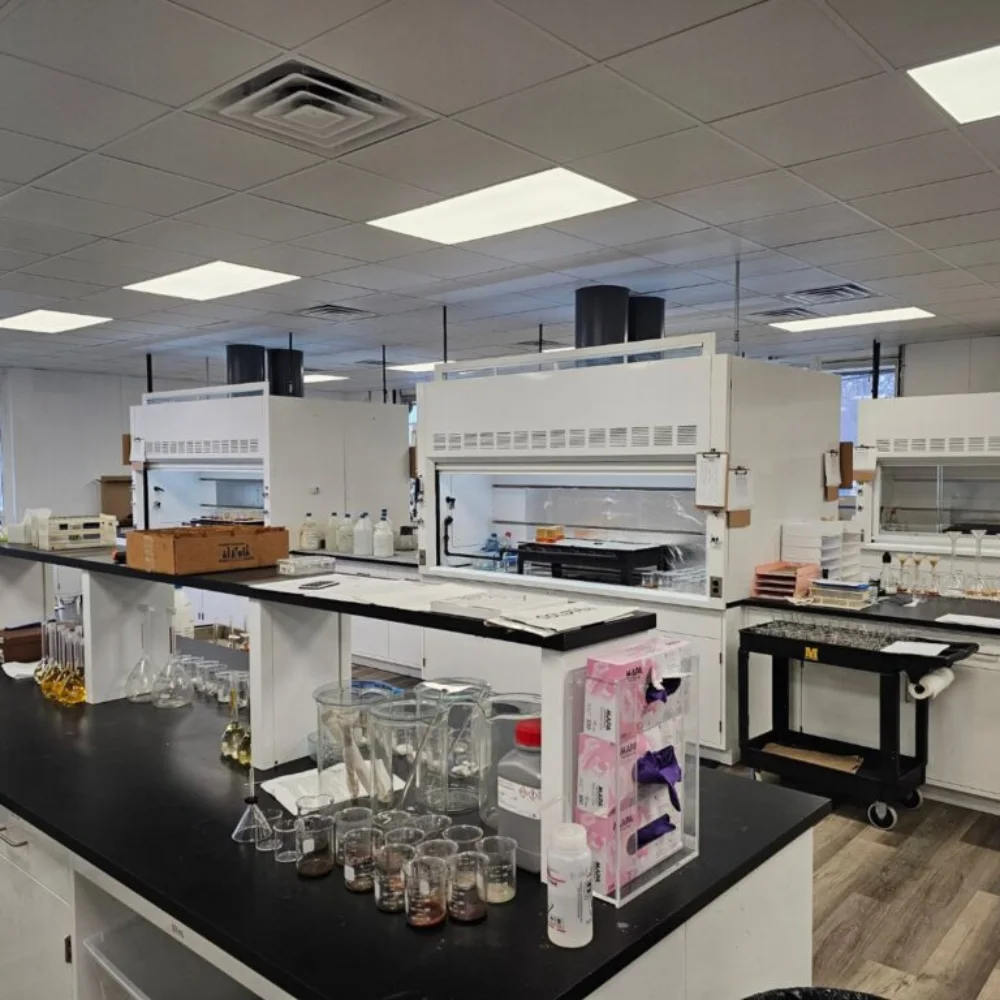
With over 145 years of experience in precious metals testing, we’ve developed methodologies that deliver the accuracy our clients require. Our commercial-grade assays can be used directly for financial transactions, giving you confidence in your business decisions.
As an affiliate member of LBMA/LPM, we maintain the highest standards of analytical excellence, treating your materials with the same care we would our own.
Key Takeaways
Determining how much platinum is in a Cadillac converter presents challenges due to variable content across models, years, and configurations. Professional laboratory analysis using ISO 17025 accredited methods provides the only reliable path to accurate valuation for commercial transactions.

Partnering with an ISO 17025 accredited laboratory like Ledoux & Co. ensures legally defensible results for your precious metal transactions. Contact us for precise catalytic converter analysis.


