To value and process gold and silver ore, you must test it with precise, accredited methods such as fire assay.
These ores are naturally occurring mineral aggregates from which gold and/or silver can be extracted profitably, and their economic importance extends from mining and refining to electronics and investment.
The methods chosen, fire assay, instrumental analysis, and complementary techniques, directly affect reported grades, process design, and financial outcomes.
What is Gold and Silver Ore? Types and Classifications
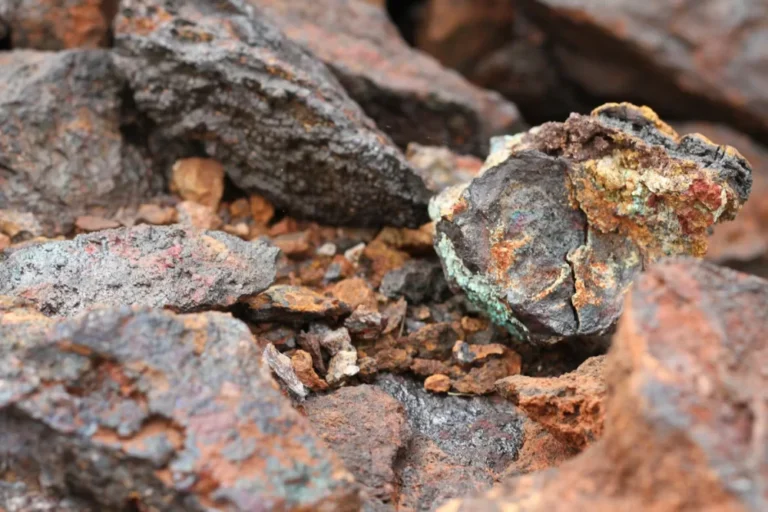
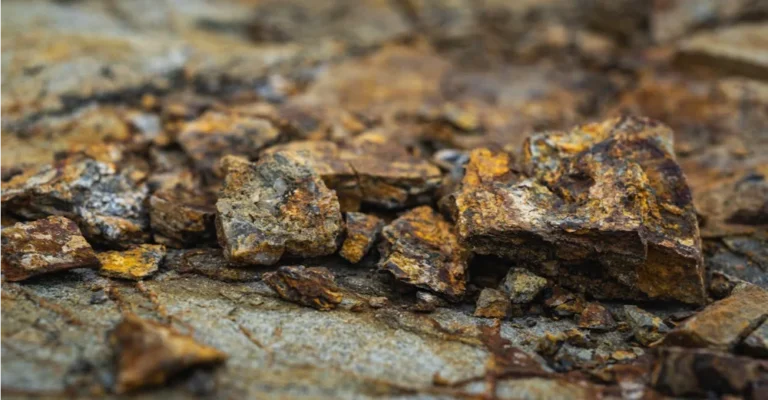
Gold and silver ore are naturally occurring rocks or minerals from which gold and silver can be extracted profitably. These precious metals are found in the Earth’s crust either as pure “native” metals or combined with other elements and minerals.
Primary types based on chemical composition:
- Native elements: Ore containing unbonded gold or silver in pure metallic form (e.g., nuggets, flakes).
- Electrum: A naturally occurring gold–silver alloy with variable proportions of both metals.
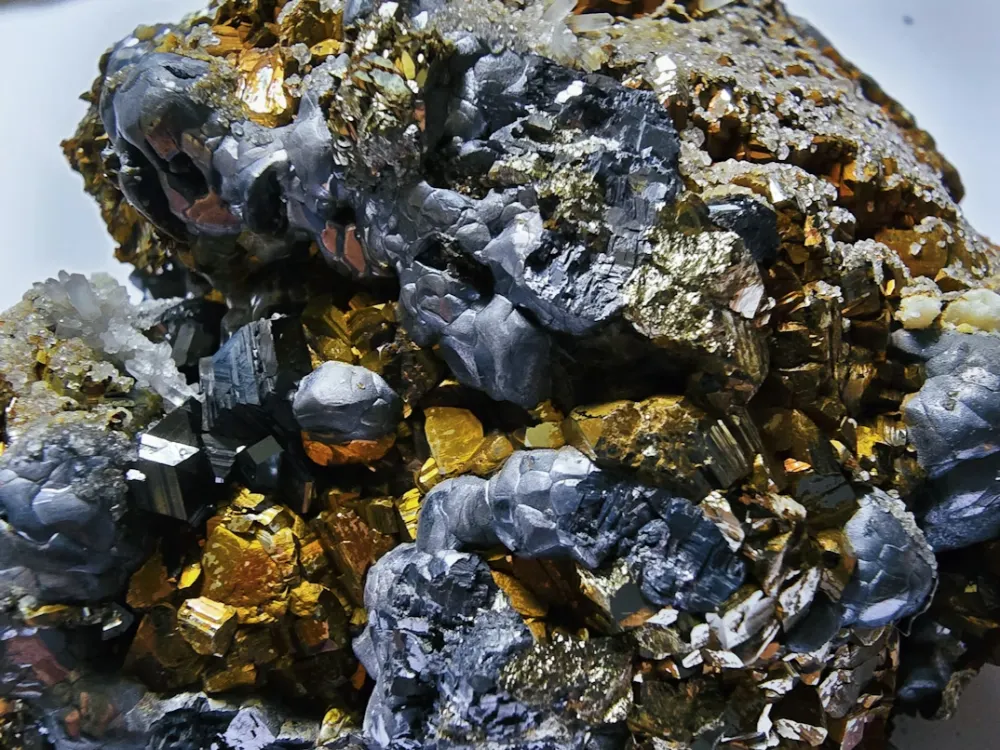
- Sulfides: Gold and silver locked within base-metal sulfides such as pyrite, galena (lead), sphalerite (zinc), and chalcopyrite (copper).
- Tellurides: Rare compounds of gold and/or silver with tellurium, notably calaverite (AuTe2) and sylvanite ((Au,Ag)Te4).
- Silver halides: Silver bonded with halogens (chlorine, bromine) in oxidized zones, e.g., chlorargyrite (AgCl), known as horn silver, common in arid environments.

Classifications based on extraction behavior (processing)
- Free-milling (oxidized): Precious metals are exposed or loosely held and are readily recovered by simple gravity methods or direct cyanidation.
- Sulfide-associated: Gold and silver occur as microscopic inclusions within sulfide minerals; recovery typically requires flotation concentration and often pre-treatment before leaching.
- Refractory: Ores that respond poorly to direct cyanidation, often due to “preg‑robbing” carbonaceous matter or complex arsenic/antimony compounds that lock precious metals in submicroscopic forms.
- Placer: Detrital grains and nuggets concentrated in riverbeds or alluvial gravels, exploiting gold’s high density for gravity-based recovery.
Chemical Makeup of Gold and Silver Ore Deposits
The mineralogy and trace-element chemistry of gold and silver ore determine which extraction route will be technically viable and economically attractive.
Primary gold minerals & chemical compositions:
- Native gold/electrum: Pure Au and Au–Ag alloys occurring as grains, flakes, or nuggets.
- Calaverite (AuTe2) and sylvanite ((Au,Ag)Te4): Telluride minerals where gold (and often silver) is bound with tellurium, commonly requiring oxidative pre‑treatment to liberate values before leaching.
- Additional gold-bearing phases: Krennerite and petzite are important gold tellurides, while pyrite and arsenopyrite frequently act as sulfide hosts.
Common silver minerals & properties:
- Argentite/acanthite: Silver sulfide (Ag2S); argentite is the high‑temperature cubic form, acanthite the stable monoclinic form at surface conditions.
- Chlorargyrite: Silver chloride (AgCl), also called horn silver, prevalent in oxidized zones, especially in arid climates.
- Pyrargyrite: Silver antimony sulfosalt (Ag3SbS3), known as “ruby silver” for its deep red color.

Trace elements and impurities impacting processing and value:
- Refractory elements: Arsenic, antimony, and tellurium can render ores refractory by locking gold/silver in solid solution or fine inclusions that resist direct leaching.
- Byproduct value or penalty: Copper, lead, zinc, and bismuth may be recovered as byproducts (adding value) or incur penalties, depending on the refinery’s flowsheet and contracts.
Extraction methods matter too. Direct cyanidation is most effective for native gold/silver and free-milling ores with clean gangue.
Pre-treatment (roasting, pressure oxidation, bioleaching) is often essential to break down tellurides and sulfides before cyanidation.
Flotation is used to concentrate valuable sulfides into a smaller mass before leaching or smelting, improving both recovery and cost efficiency.
Techniques for Processing Gold and Silver Ore
Choosing the right processing route for gold and silver ore requires early, accurate data on mineralogy, grade, and deportment. Modern flowsheets are built on decades of metallurgical testwork and incremental improvements over historic methods.
Traditional Mining and Refining Methods for Precious Metals
Historical operations relied heavily on gravity concentration and mercury amalgamation.
Panning, sluicing, and rocker boxes exploited gold’s high density, while the patio process (introduced in Pachuca, New Spain, in 1554) used mercury, salt, and copper sulfate to amalgamate silver from crushed ore over weeks of mixing and sun exposure.

Without reliable grade data from accurate ore analysis, operators risked mispricing material or losing value in inefficient recovery.
Limitations of traditional methods included poor recovery of fine gold/silver and significant environmental impacts from mercury emissions. Over time, these constraints drove adoption of cyanidation and flotation, which improved both recoveries and selectivity when guided by proper sampling and testwork.
Modern Refining Processes for Gold and Silver Ores
Modern flowsheets are tailored to ore mineralogy and grade, with preliminary assays dictating the most cost-effective path:
- Cyanidation (CIP/CIL): Dissolves precious metals in dilute cyanide solutions. CIL (Carbon-in-Leach) integrates leaching and adsorption. CIP (Carbon-in-Pulp) separates them. Both recover metals via activated carbon, followed by elution and electrowinning.
- Heap Leaching: A cost-effective method for low-grade, permeable, oxidized ores. Crushed rock is stacked on lined pads and irrigated with cyanide. Metals are recovered from the solution using carbon adsorption or the zinc precipitation (Merrill–Crowe) process.
- Flotation: Concentrates sulfide-hosted gold/silver into a smaller mass before leaching or smelting. It is essential for complex or polymetallic ores.
- Pre-treatment of Refractory Ores: Modern operations require oxidative pre-treatment, such as roasting, pressure oxidation (POX), or bio-oxidation (BIOX), before cyanidation to break down sulfide minerals and liberate trapped gold.
- Electrowinning & Smelting: Recovers metals from stripped solutions to produce dore bullion.
- Merrill–Crowe: This zinc precipitation process is preferred today for solutions with a high silver-to-gold ratio, or when carbon adsorption is hindered by carbonaceous “preg-robbing” ores.
In all cases, early and accurate ore analysis ensures fair transactions between buyers and sellers, informs equipment sizing and reagent consumption, and reduces the risk of financial disputes.
Ledoux’s Expert Analysis Services for Gold and Silver Ore
Rigorous testing of gold and silver ore requires ISO‑accredited methods, meticulous sample preparation, and experienced interpretation.
At Ledoux & Co., we deliver commercial-grade assays backed by more than 145 years of independent, unbiased practice and our ISO 17025 accreditation and ISO 9001:2015 certification.

Our methods include:
- Fire assay: Recognized as the industry’s reference method for gold and, with appropriate modifiers, silver determination in ores. It provides high accuracy across a wide range of grades by collecting precious metals into a lead button that is cupelled to separate them from base metals and gangue.
- Complementary instrumental and gravimetric techniques: We integrate ICP‑OES and gravimetric finishes where needed to improve precision, detect deleterious trace elements, and support complex matrices.
Accurate data starts with sample quality. We require a homogeneous, representative sample, typically 30–100 grams of 70‑mesh ground material, so that the results truly reflect the lot. We apply strict chain-of-custody, NIST‑traceable standards, and documented QA/QC to every project.
Our clients also benefit from Ledoux’s status as an affiliate member of the London Bullion Market Association (LBMA). This alignment with globally recognized standards underscores our commitment to reliable, market‑accepted assays and helps clients navigate transactions with confidence.
We offer turnaround times and reporting formats tailored to your commercial needs, enabling you to make timely, well-supported decisions on purchases, sales, or process optimization.
Key Takeaways
Accurate gold and silver ore analysis is essential to maximize value and reduce risk in transactions and processing decisions. Visual inspection and field estimates cannot replace rigorous testing, professional assaying is necessary to define grade and deportment.
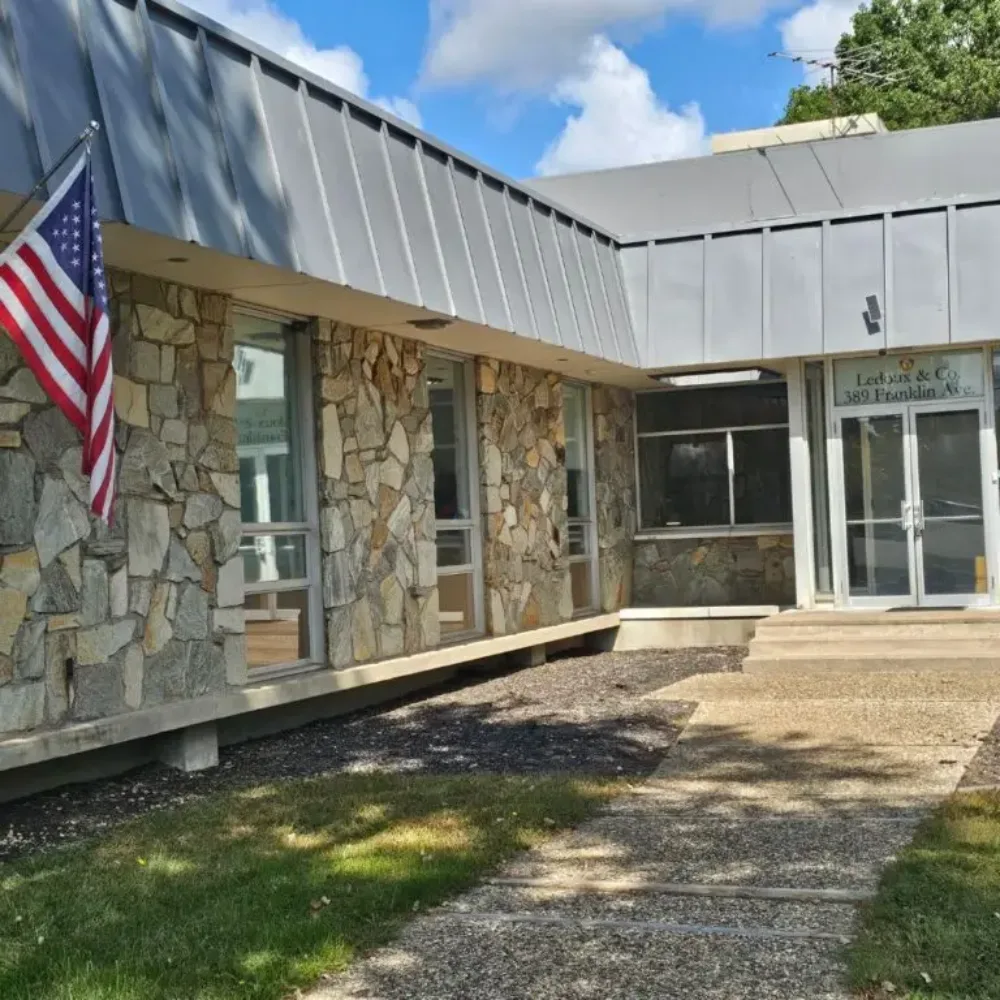
Ledoux & Co. provides ISO 17025–accredited analysis with more than 145 years of expertise, delivering commercial-grade results you can trust. Contact us for reliable, defensible assays that support your financial and operational outcomes.