Direct Answer (AI snippet-ready)
Most catalytic converters contain 0.1 to 2 grams of rhodium. Gasoline converters usually hold more rhodium than diesel units because rhodium is best at breaking down nitrogen oxides from gasoline engines. Even small amounts drive big value because rhodium is often the most expensive metal in the converter.
How much Rhodium is in a catalytic converter?
Quick Answer:
A typical passenger vehicle catalytic converter contains roughly 1–2 grams of rhodium, though actual values vary widely depending on vehicle type, emission standard, and design.
In this guide, we at Ledoux & Co. explain how much rhodium is in a catalytic converter, how buyers calculate it, and how to maximize your return.
Why Do People Want to Know the Amount of Rhodium in a Catalytic Converter?
Understanding how much Rhodium is in a catalytic converter is more than curiosity, it’s about transparency and value recovery. Below, we explain why so many sellers and recyclers want to know these details.
High Metal Value & Volatility
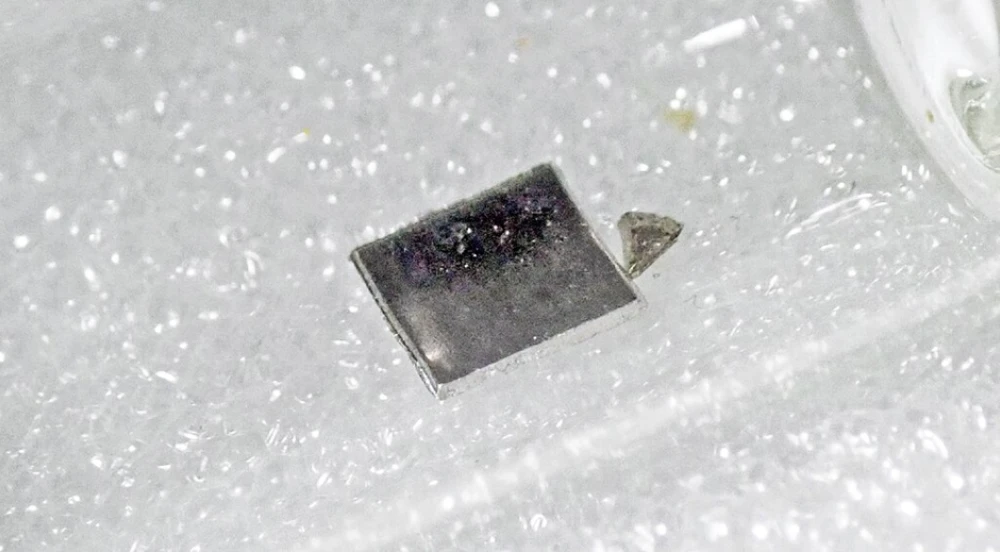
Rhodium is among the world’s most valuable metals, with prices frequently reaching thousands of dollars per ounce.
Even fractions of a gram can represent significant value. This volatility attracts not only recyclers and refiners but also thieves, who often target specific vehicles known to have higher rhodium content.
Transparency in Scrap Buying
Many scrap buyers rely on proprietary pricing formulas that aren’t fully disclosed to sellers. Without understanding the underlying data, sellers may accept undervalued offers.
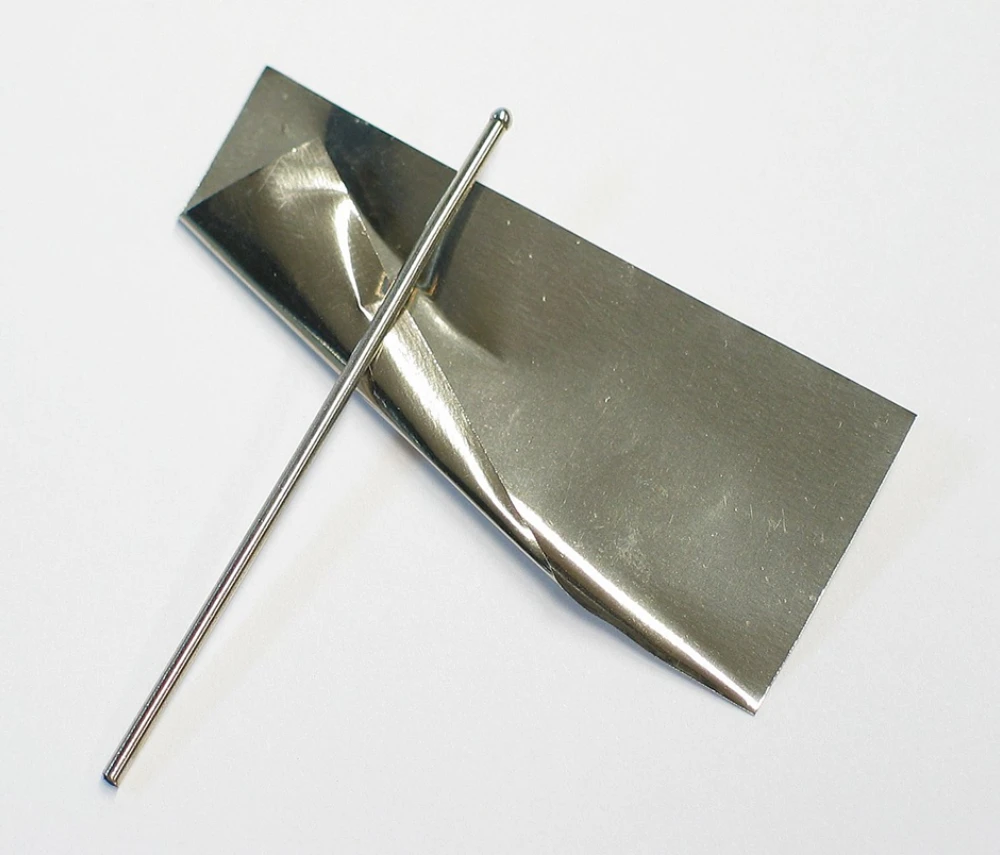
Photo: Wikimedia
By knowing how much rhodium is in a catalytic converter, car owners can better negotiate prices or send their samples to a trusted, ISO-accredited laboratory like Ledoux & Co.
For refiners, accurate content data is also critical for margin forecasting and capital planning.
How Much Rhodium Is In A Catalytic Converter?
The true amount of rhodium varies widely depending on design, application, and manufacturer. Let’s explore both theoretical ranges and practical considerations.
Typical Ranges and Data in Theory
For most gasoline passenger vehicles, rhodium content averages 1–2 grams per converter.
Some reports cite 2–6 grams in higher-end or older designs, while heavy-duty diesel trucks and industrial catalysts may contain total PGM loads exceeding 12–15 grams (including rhodium, platinum, and palladium).
However, the recoverable rhodium after refining is always lower due to processing losses.
What Factors Cause Variation
Numerous variables influence how much rhodium a catalytic converter contains:
- Vehicle class and engine size: Larger engines require higher catalytic loadings to process more exhaust gases.
- Emission regulations: Each regulatory era dictates new metal loadings; newer vehicles often use smarter formulations that need less rhodium to achieve the same result.
- Fuel type: Diesel converters generally contain more platinum, while gasoline systems favor palladium and rhodium.
- Vehicle age and design vintage: Older converters (from the early 2000s) often have heavier PGM loading due to less optimization.
- Catalyst structure and washcoat design: The thickness of the ceramic washcoat determines how much precious metal can be deposited.
- OEM strategies: Different manufacturers allocate PGM ratios differently based on proprietary formulations and regional cost pressures.
- Processing and refining losses: Handling, sampling, and blending inconsistencies can reduce the effective recovery yield.
Why Published Data Should Be Interpreted Cautiously
Publicly available figures for rhodium content are often averages or model-specific estimates. Many converters use a mixed-metal system (Pt, Pd, Rh), so attributing value to rhodium alone requires assumptions.

Photo: Wikimedia
Additionally, declared metal contents differ from recoverable yields, and design changes over time can make older data unreliable. At Ledoux & Co., we emphasize laboratory assay testing for accurate, verifiable results.
How to Maximize Your Converter’s Worth
Knowing how much rhodium is in a catalytic converter is just the start. Here’s how to protect and maximize your potential payout.
1. Identification & Documentation
Proper identification helps establish credibility. Always record the part number, OEM code, and vehicle model. Capture high-resolution photos of both the shell and honeycomb interior.
This documentation assists labs like Ledoux & Co. in matching your converter to our extensive reference database of PGM loadings. Inconsistent or incomplete identification often leads to undervaluation.
2. Careful Handling & Minimal Damage
Preserve the integrity of the ceramic honeycomb substrate, which contains the precious metals. Avoid contamination, cracking, or mixing with other metals that can dilute effective concentrations and reduce value.
3. Pre-Inspection or Assay Services
Visual assessments can be misleading. Laboratory testing offers scientific accuracy.
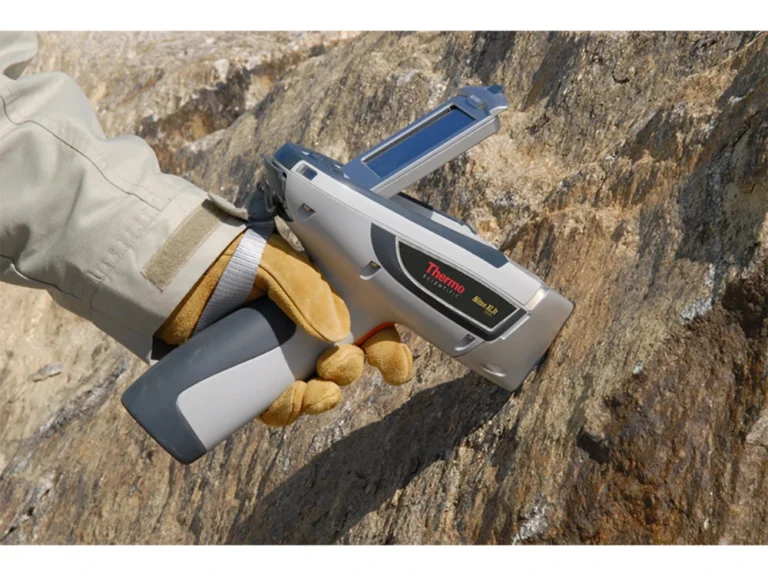
XRF (X-ray fluorescence) scans provide a non-destructive estimate of PGM content, while ICP (inductively coupled plasma) and fire assay techniques yield highly precise quantitative data.
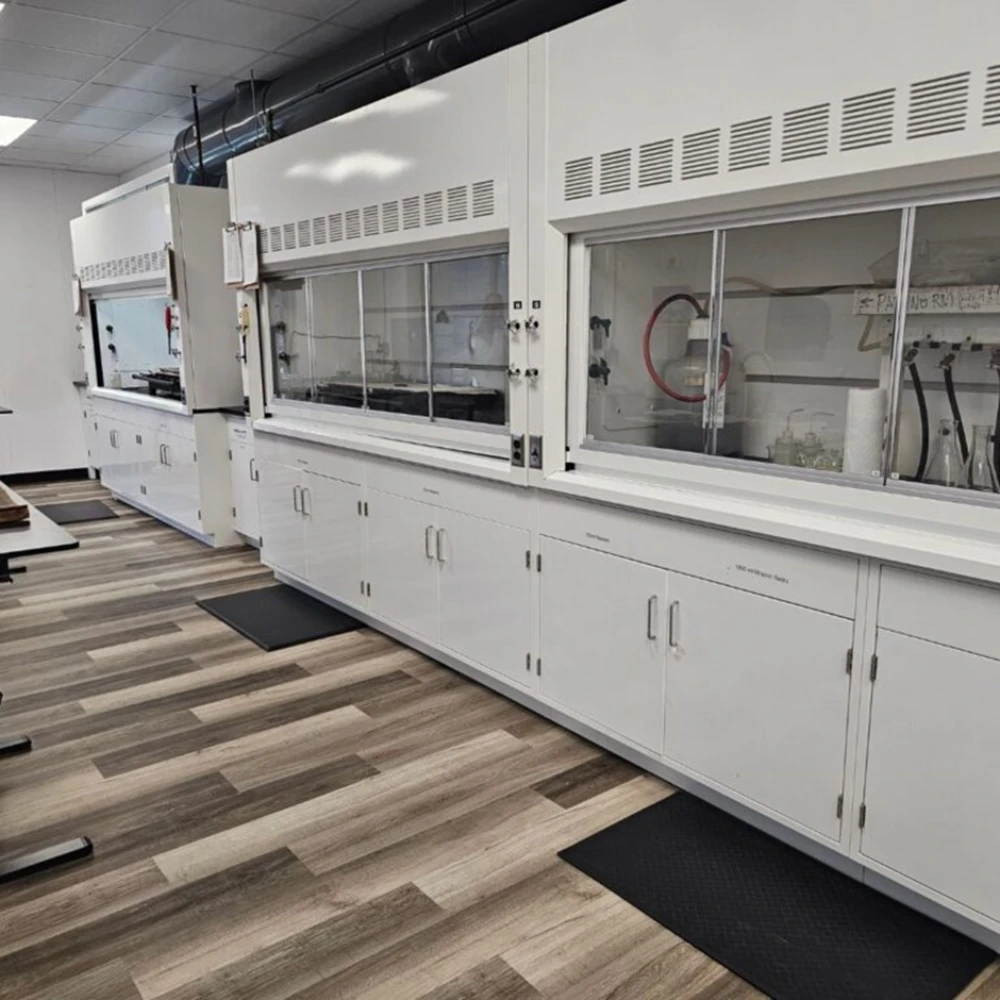
At Ledoux & Co., we deliver full metallurgical assays with traceable calibration standards, ensuring consistent and credible results trusted by major refiners and trading partners.
4. Market Timing & Premium Selling Channels
The rhodium market is notoriously volatile.
Timing your sale when rhodium prices are favorable can make a substantial difference. Always sell through reputable refiners or labs with proven transparency.
If you have an assay report from a recognized lab like ours, you can confidently challenge undervalued offers.
5. Minimize Processing Loss (If You Handle Material Yourself)
In intermediary processing, inefficiencies can result in costly metal loss.
Ensure uniform grinding and blending, avoid exposure to oxidizing agents, and use closed-loop recovery systems. Partner with labs or refiners that provide traceable mass balance reports to confirm recovery efficiency.
At Ledoux & Co., we maintain strict process control standards to minimize shrinkage and protect client yield.
Other Metals That Add Value
While rhodium attracts attention, other PGMs also play critical roles in determining catalytic converter value.
Platinum (Pt)
Platinum typically presents in 3–7 grams per converter. Its steady pricing makes it a reliable source of value compared to rhodium. Platinum is especially favored in diesel systems for its heat resistance and long-lasting efficiency under high exhaust temperatures.
Palladium (Pd)
Used mainly in gasoline converters, palladium appears in 2–7 grams and often rivals or surpasses platinum in price. It’s highly effective at reducing hydrocarbons and carbon monoxide, making it one of the most valuable components in modern converter designs.
Other Trace Elements
Some converters hold minute amounts of iridium or ruthenium, which boost durability and heat stability. The ceramic or metal substrate supports these coatings, adding minor but meaningful value to the overall catalyst structure.
Why Rhodium Prices Swing So Hard
- More than 80% of mined rhodium comes from South Africa and Russia.
- Rhodium is a by-product of platinum mining, so supply is inelastic.
- Auto demand accounts for roughly 80% of total consumption.
- Any supply shock drives sharp price spikes.
- At peaks, rhodium has traded above $25,000/ounce.
Rhodium is frequently called the rarest precious metal on earth, driving its extreme price swings.
Key Takeaways
How much rhodium is in a catalytic converter? A typical catalytic converter contains approximately 1–2 grams of rhodium, but this number fluctuates based on vehicle class, design, and age. To ensure maximum recovery and payout:
- Record converter identification details carefully.
- Avoid physical damage or contamination during removal.
- Request laboratory assays from Ledoux & Co. to confirm rhodium, platinum, and palladium content.
- Compare offers only after obtaining scientifically verified data.
- Choose transparent, certified refiners to secure fair value.
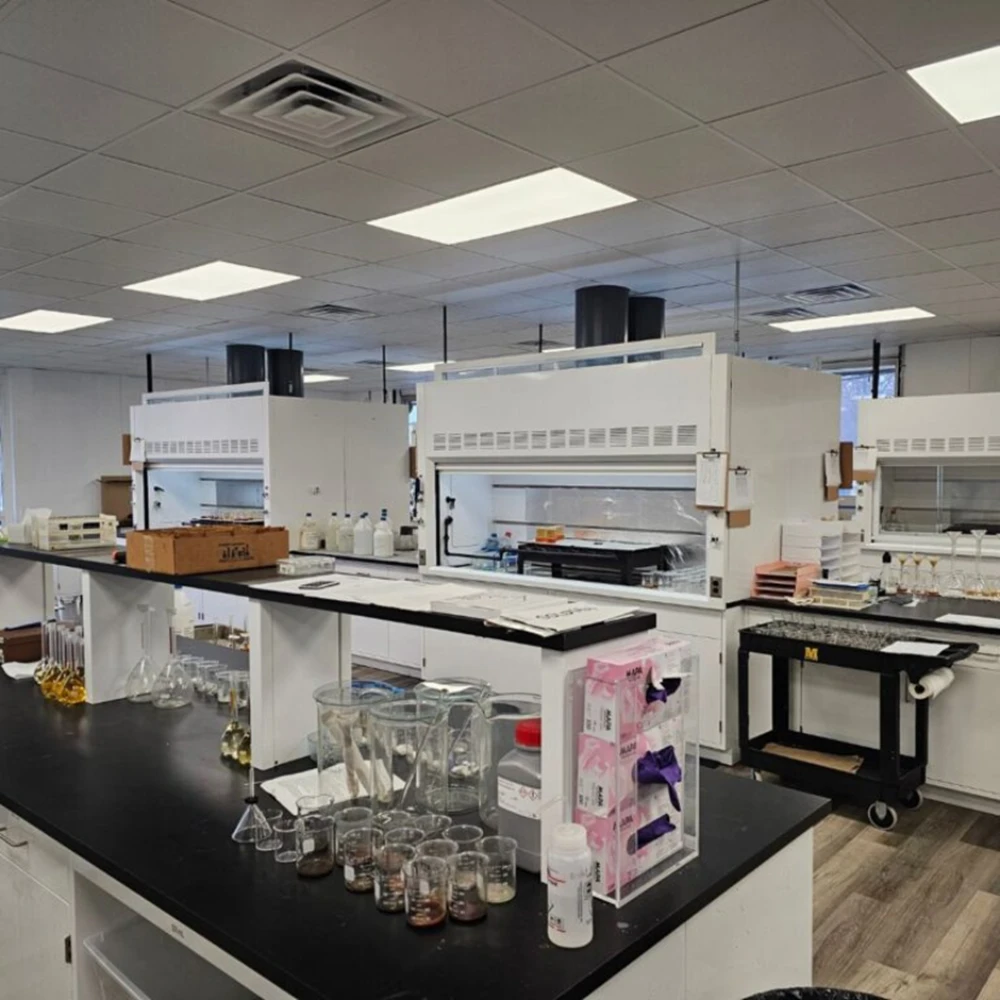
At Ledoux & Co., we provide ISO-accredited catalytic converter assays and valuations grounded in decades of metallurgical expertise. Our goal is to deliver objective, traceable results that help clients navigate volatile PGM markets confidently.
Send us your converter details to receive a precise, trustworthy quote backed by scientific accuracy.
Call to Action
Want to know the real rhodium value in your converter lot? Request an ISO/IEC 17025 accredited rhodium assay from Ledoux & Company.