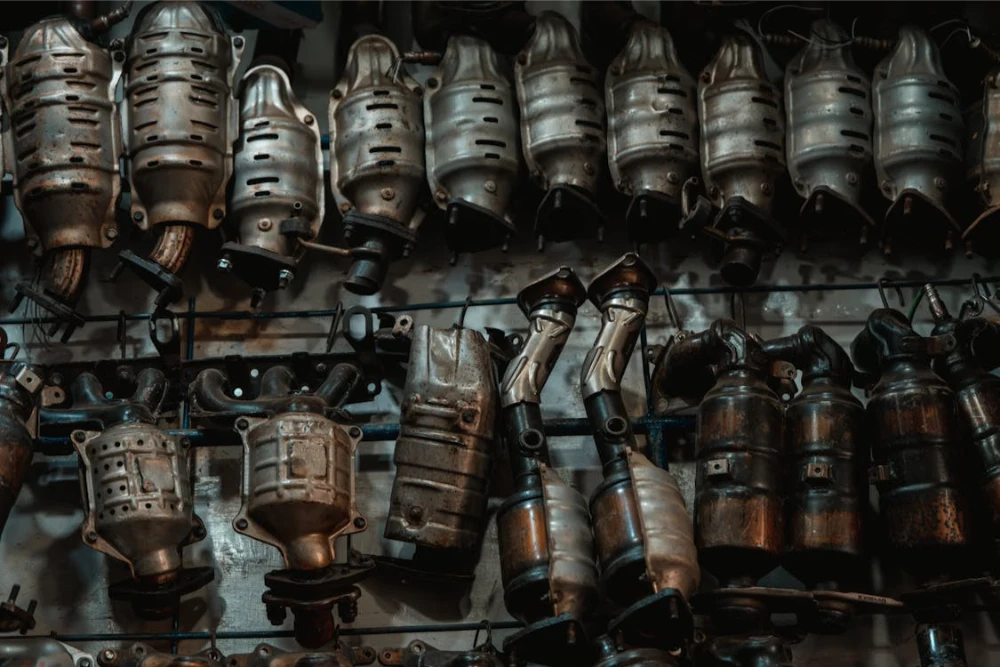
Understanding catalytic converter precious metal content is essential because it determines the financial value of recycled automotive emissions devices. Catalytic converters rely on platinum, palladium, and rhodium to reduce toxic exhaust.
This guide explains PGM variations, measurement challenges, and how Ledoux provides accurate assays.
The “Big Three” Metals Inside Catalytic Converters
The metals inside catalytic converters consist primarily of platinum, palladium, and rhodium because these rare elements act as chemical filters to transform toxic gases into safe emissions.
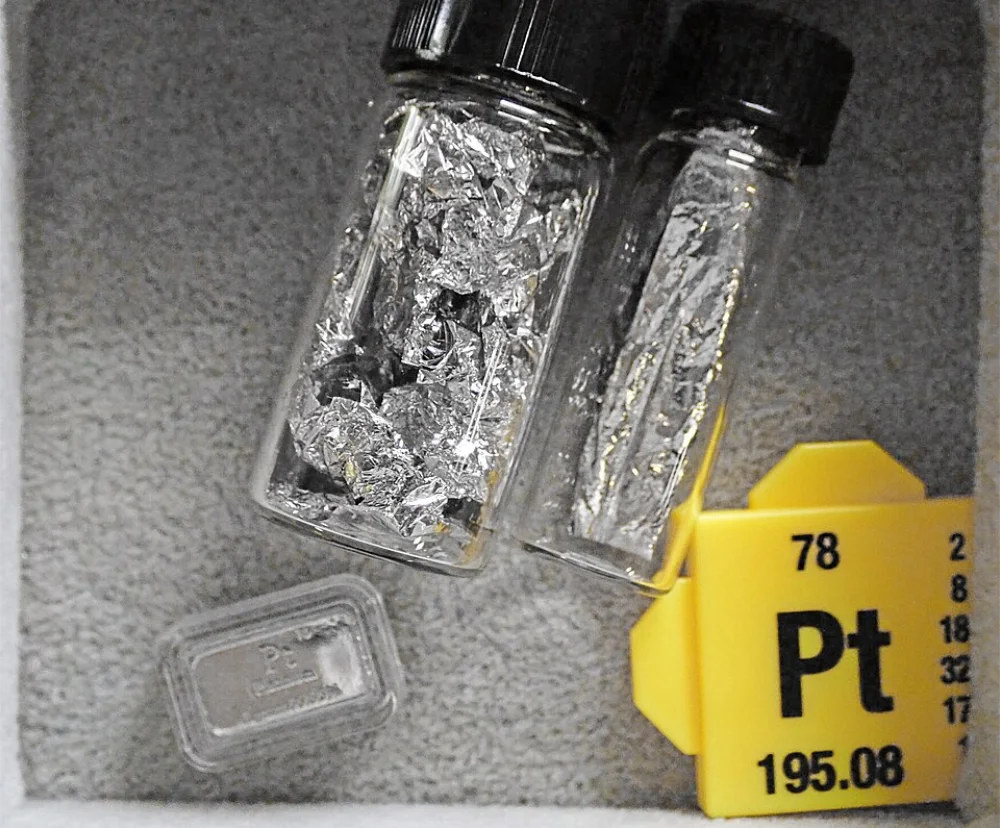
Catalytic converters function as a sophisticated chemical filter, relying on rare metals to neutralize harmful exhaust. The specific catalytic converter precious metal content includes three primary Platinum Group Metals (PGMs):
- Platinum (Pt): Acts as an oxidation catalyst, converting carbon monoxide and unburned hydrocarbons into carbon dioxide and water.
- Palladium (Pd): Functions similarly to platinum but operates highly effectively at lower temperatures, leading to increased manufacturer usage.
- Rhodium (Rh): The most valuable of the three, specifically tasked with reducing nitrogen oxides (NOx) into harmless nitrogen and oxygen.
Because these PGMs are extremely rare, they serve as the primary driver of a converter’s financial worth.
Key Variables That Determine Precious Metal Loadings
The precise amount of PGMs loaded into a converter fluctuates significantly based on engineering and regulatory requirements. Multiple factors dictate these proprietary formulations and loadings.
Vehicle Type and Engine Specifications
Vehicle type and engine specifications directly determine metal loadings because different powertrains operate at unique temperatures and require distinct chemical reactions.
- Diesel engines run cooler and rely heavily on Platinum (Pt) for oxidation, unlike gasoline engines.
- Gasoline converters generally use Palladium (Pd) and Rhodium (Rh) to handle higher temperatures and NOx reduction.
- Hybrid and Plug-in Hybrid (PHEV) loadings are 5–15% higher than standard gasoline vehicles to remain effective during frequent cold starts.
Manufacturer Specifications and Production Years
Manufacturer specifications and production years dictate loadings because OEMs utilize proprietary recipes and continuously adjust formulas based on market prices and emission laws.
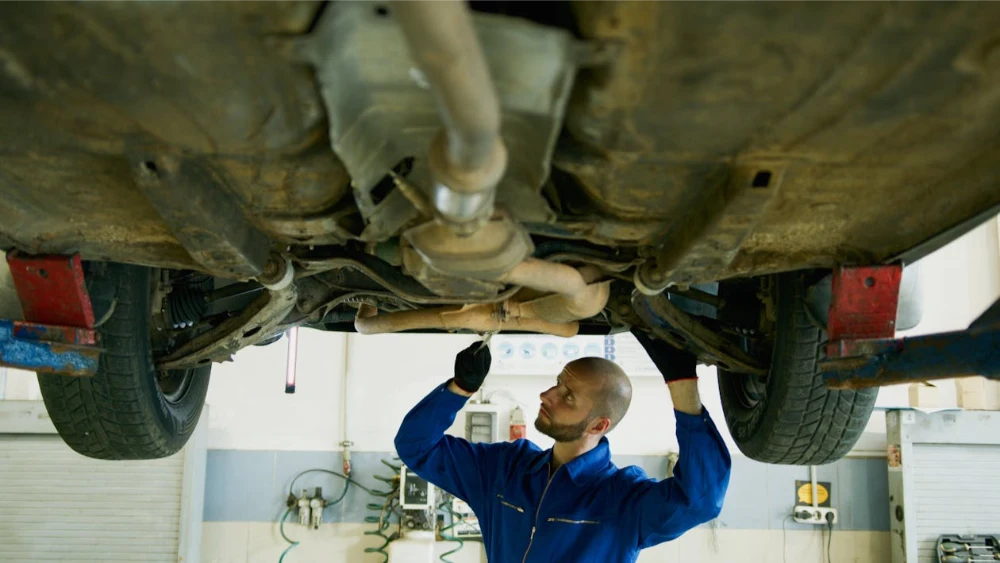
Every Original Equipment Manufacturer (OEM) uses proprietary washcoat formulations. By 2026, many manufacturers completed a “reverse substitution,” moving from expensive Palladium back to Platinum to lower costs.
Furthermore, compliance with Euro 7 and China 7 standards forced a surge in Rhodium loading, as it is the most effective metal for NOx reduction.
The Effects of Vehicle Age and Wear
Vehicle age and wear impact recoverable metal content because prolonged exposure to extreme heat and physical contaminants alters the chemical state and active surface area of the metals.
While the metals do not burn away, high temperatures cause PGM particles to sinter, reducing active surface area. Physical damage, oil ash, and contamination coat the honeycomb substrate, hiding the true catalytic converter precious metal content.
In 2026, professional recycling facilities will use XRF and Fire Assay to locate these hidden metals, as wear can cause a 5–10% loss over a 200,000-mile lifespan.
The Challenge of Accurately Measuring PGM Levels
Accurately measuring PGM levels presents a significant challenge because the microscopic precious metals are embedded heterogeneously within a complex washcoat rather than spread evenly across the substrate.
“Heterogeneity” means the precious metals are not spread evenly like butter on toast; they are microscopic beads embedded in a washcoat on a ceramic or metallic honeycomb. This creates a major flaw when using handheld XRF scanners on intact units.

To get an accurate reading, specific physical processing steps are mandatory:
- The converter must be physically de-canned to remove the outer shell.
- The internal honeycomb monolith must be crushed and ground down into a fine powder.
- The entire lot must be ground to ensure homogeneity, achieving a standard of 70-mesh (approximately 210 microns), rather than just sampling 100 grams.
Once properly ground, handheld XRFs can deliver lab-quality results, but high-level accuracy still requires refined laboratory techniques like Fire Assay or ICP-OES to achieve 92% to 98% recovery precision.
The Financial Stakes of Accurate PGM Assays
The financial stakes of accurate PGM are exceptionally high because even a minuscule fraction of a percentage error in measuring these rare metals can equate to thousands of dollars lost or overpaid per lot.
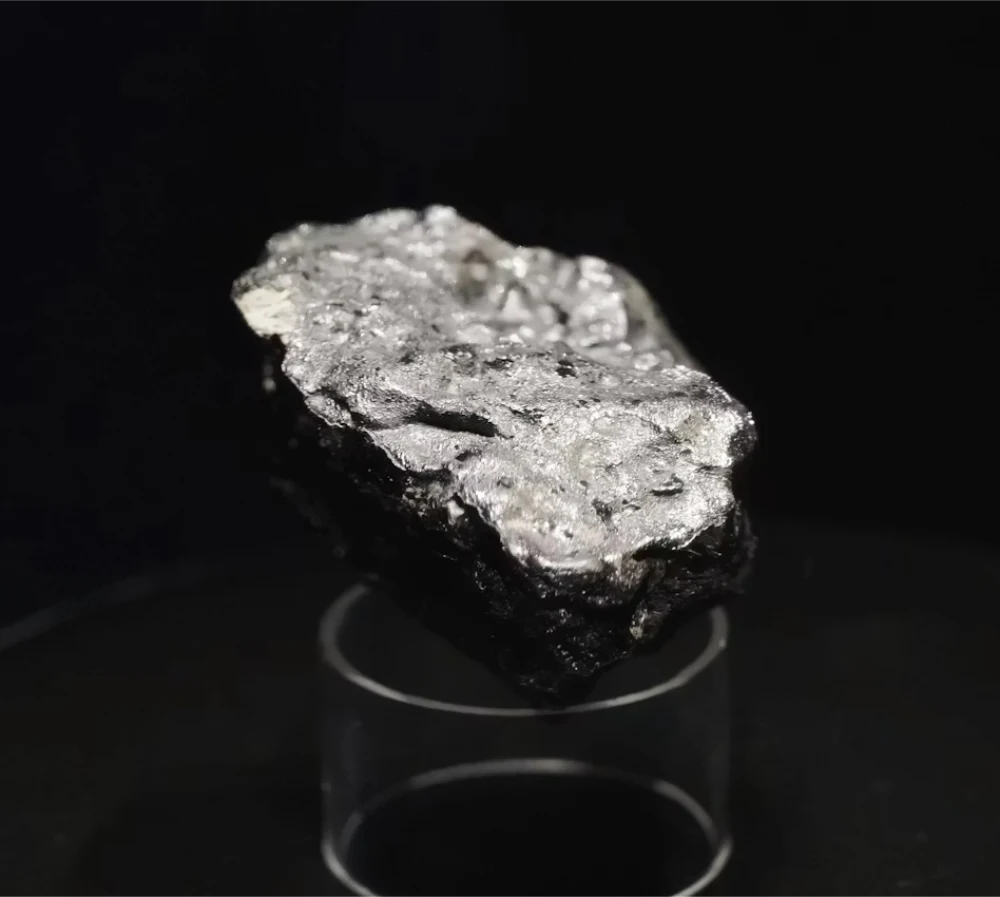
Given the extreme value of rhodium, palladium, and platinum, recyclers and refiners require “commercial-grade” assay results. This means the data is accurate, defensible, and suitable for financial settlements.
Relying on unverified labs or informal testing methods introduces significant risk, often leading to business disputes and broken trust between buyers and sellers.
Ledoux & Co.: Unmatched Expertise in PGM Testing
Ledoux & Co. provides unmatched expertise in PGM testing because we combine over 145 years of independent metallurgical experience with globally recognized ISO accreditations to deliver unbiased scientific truth.
- Credentials: We are an ISO 17025 accredited and ISO 9001:2015 certified laboratory, and a proud affiliate member of the LBMA/LPM, ensuring our processes meet the highest global standards.
- Testing Methods: We do not rely on surface scans. We utilize advanced, NIST-traceable methodologies, including ICP, fire assay cupellation, and wet chemistry to accurately measure PGMs.
- Sample Requirements: We require a properly prepared, 70-mesh ground sample to deliver precise, representative results.
- Capabilities: We test spent automotive catalysts (monolith, diesel, or wash coat), spent industrial/refining/VAM catalysts, and fresh catalysts.
- On-Site Representation: We act as your “eyes and ears” at processing facilities through our on-site weighing and sampling services, eliminating risk and ensuring your sample accurately represents your whole lot.
Key Takeaways
The primary problem in valuing spent automotive catalysts is overcoming the physical and chemical heterogeneity that hides true metal content. Accurate analysis is critical to avoid significant financial losses.

By utilizing advanced, ISO-accredited methodologies, we ensure your catalytic converter precious metal content is precisely quantified for fair commercial settlement.
Ready to discover the true value of your materials? Partner with Ledoux & Co. today for trusted, unbiased metallurgical testing.