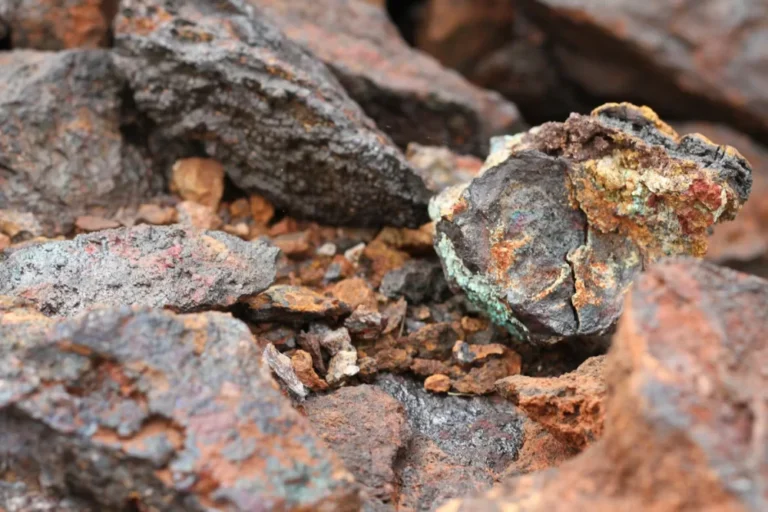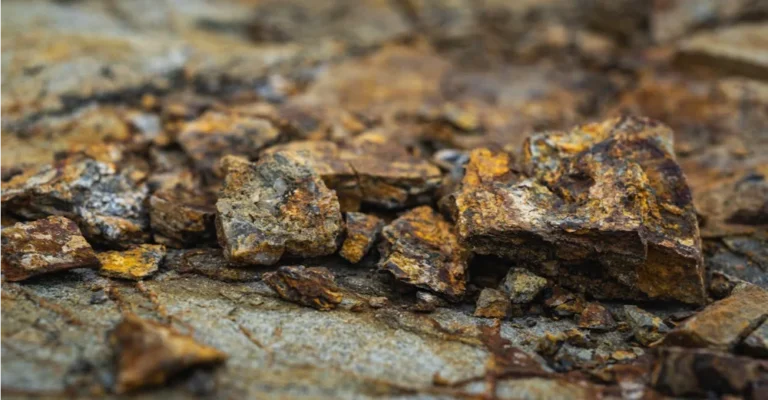
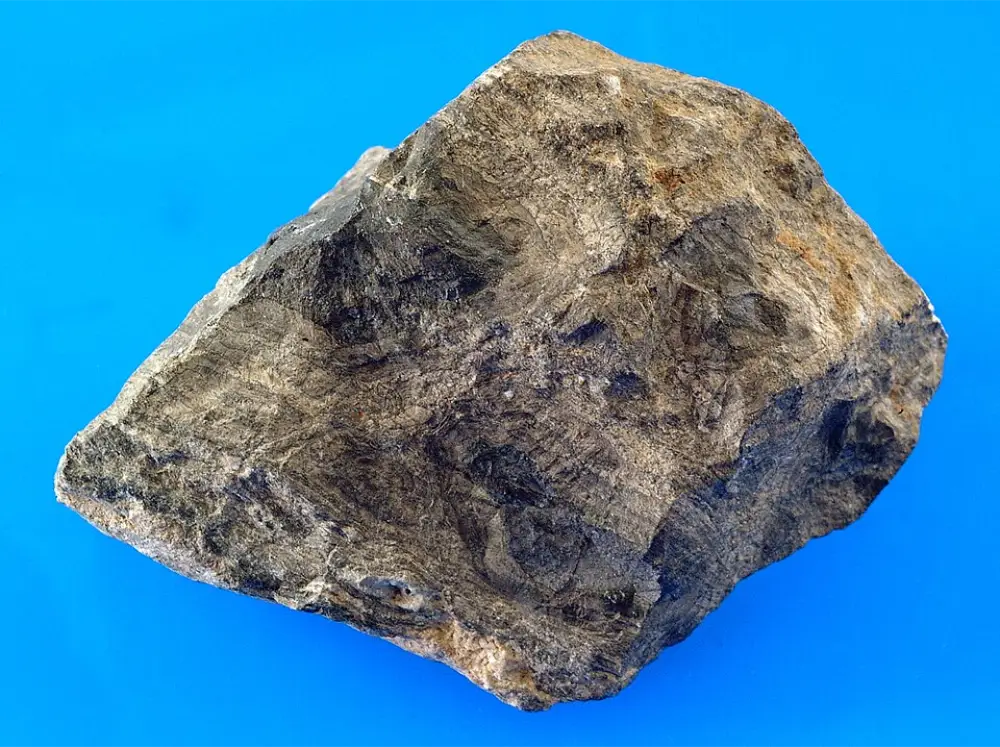
Learning how to smelt silver ore requires heating naturally occurring ores, like argentite, in a pyrometallurgical process to extract pure silver.
Understanding the exact chemical makeup of your ore is critical before applying extreme heat. This guide explains the smelting steps in actionable language for industry professionals.
Pre-Processing Silver Ore for Maximum Recovery
Pre-processing silver ore for maximum recovery requires physical comminution and precise sampling to liberate and quantify silver particles before smelting.
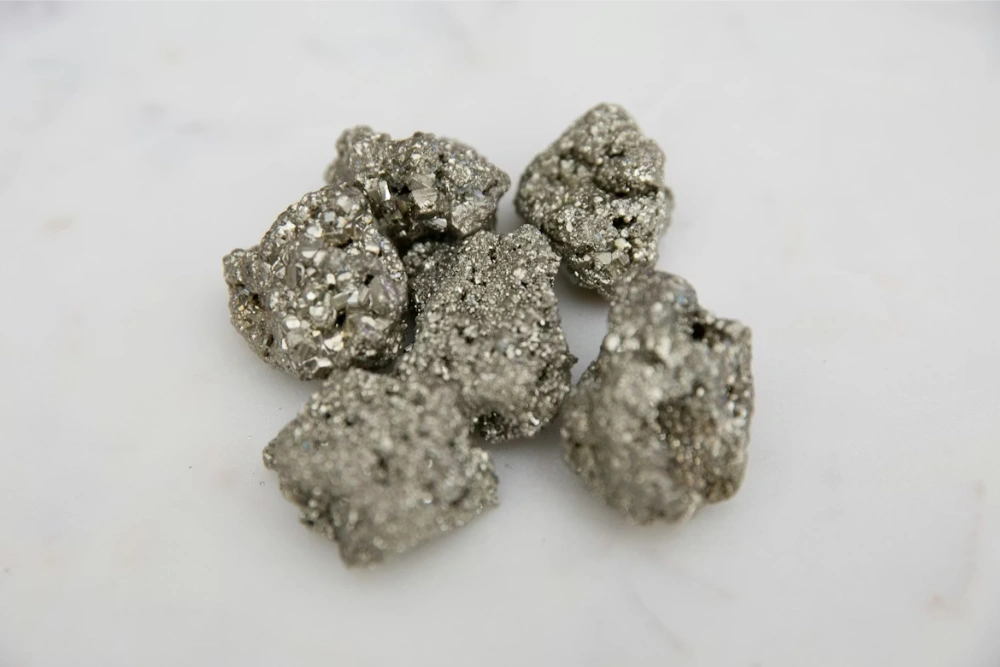
Silver rarely exists in pure form; it is usually mixed with other metals like lead, zinc, or copper. The physical preparation phase involves crushing and grinding the raw ore to fully liberate these microscopic silver particles from the surrounding host rock.
You cannot smelt efficiently without knowing the silver grade of your material. Taking a statistically valid sample at this stage dictates the entire financial outcome of your operation.
The Critical Role of Fluxes in Silver Smelting
Understanding flux chemistry is essential for separating valuable metal from waste rock. The correct application of these compounds directly dictates the efficiency of your melt and the purity of your final product.
Choosing the Right Flux to Purify Silver
Choosing the right flux to purify silver involves selecting specific chemical additives designed to lower melting points and bind with unwanted gangue minerals.
- Borax: Lowers the melting point and dissolves metal oxides.
- Silica (Sand): Vital for binding with iron and other base metal impurities.
- Soda Ash (Sodium Carbonate): Thins out heavy slag and helps remove sulfur.
These fluxes react with unwanted minerals to form a molten waste product called “slag.” Because slag is lighter, it floats on top of the denser, liquid silver, allowing for clean separation.
How Flux Ratios Impact Your Final Silver Yield
How flux ratios impact your final silver yield depends entirely on balancing energy costs against the physical viscosity of the slag. Using too much flux increases energy costs and can prematurely erode your crucibles.
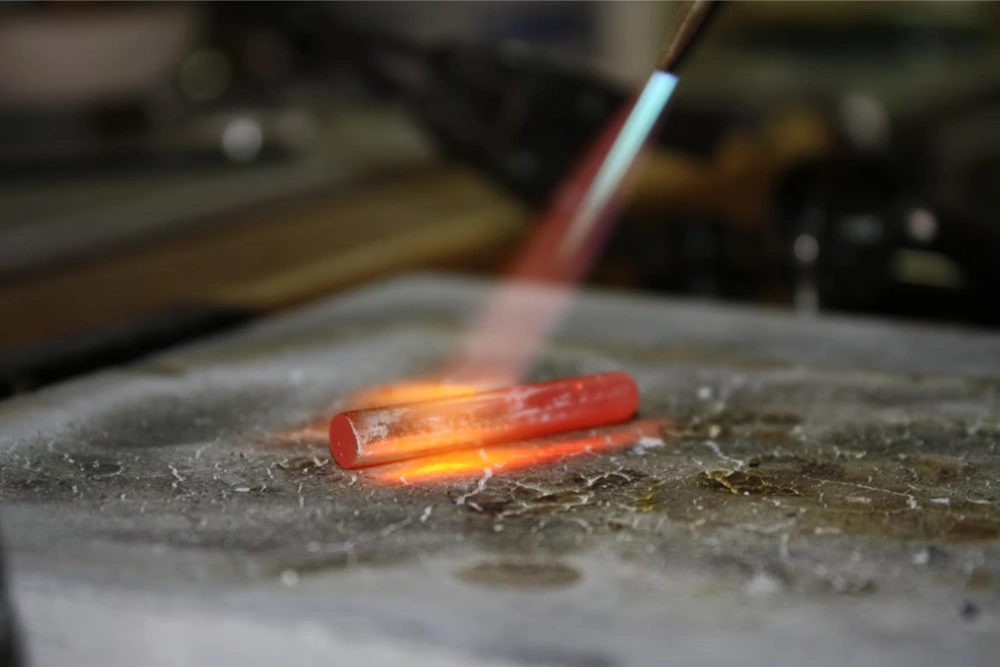
Conversely, too little flux results in high-viscosity slag that physically traps, or “anchors,” silver beads, significantly reducing your recovery rate. There is no universal ratio; the chemistry depends on whether the ore is silicious, basic, or sulfide-rich.
Therefore, sending a sample to an independent lab for a full chemical analysis prevents these costly guessing games.
The Pyrometallurgical Execution of Silver Ore
The pyrometallurgical execution of silver ore demands precise thermal control and the right furnace selection to keep both metal and slag fully liquid.
Pure silver melts at 961.8°C (1763°F), but operational furnace temperatures usually range from 1000°C to 1200°C. This superheat ensures both the silver and the slag remain fully liquid during the tapping process.
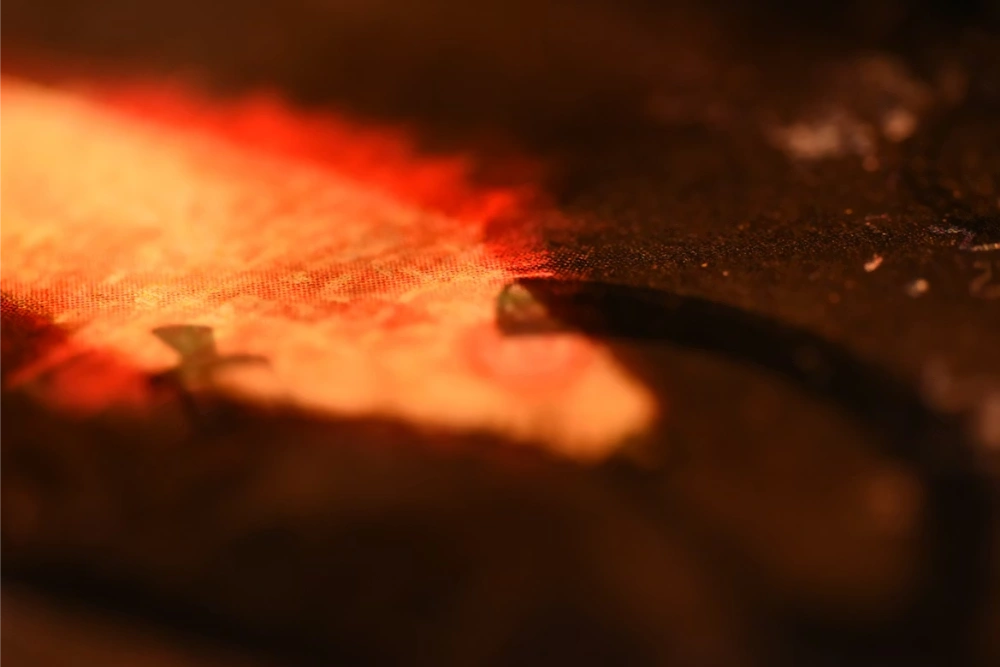
Precise temperature control prevents the silver from freezing prematurely and ensures the flux chemistry has time to react completely. We recommend automated temperature monitoring using thermocouples or pyrometers to prevent superheating, which can vaporize silver or increase refractory damage.
Selecting the correct equipment is equally critical:
- Reverberatory furnaces: Traditional units suitable for large, continuous batches of ore.
- Induction furnaces: Cleaner, highly controllable environments better suited for refined melts or e-scrap recovery.
- Rotary kiln/furnaces: Highly efficient for smelting silver-bearing lead ores because the rotating action thoroughly mixes flux and ore.
Completing the Smelting Cycle: Silver Recovery
Extracting silver from the molten mixture requires specialized secondary treatments to remove residual base metals. These final stages refine the crude metal into a commercially viable, high-purity product.
The Cupellation Process: Removing Base Metals
The cupellation process removes base metals by selectively oxidizing lead collectors to isolate pure silver. If the ore contained lead, like galena, the lead acts as a collector metal.
The lead-silver alloy is melted, and air is blown over the molten mix at high temperatures.
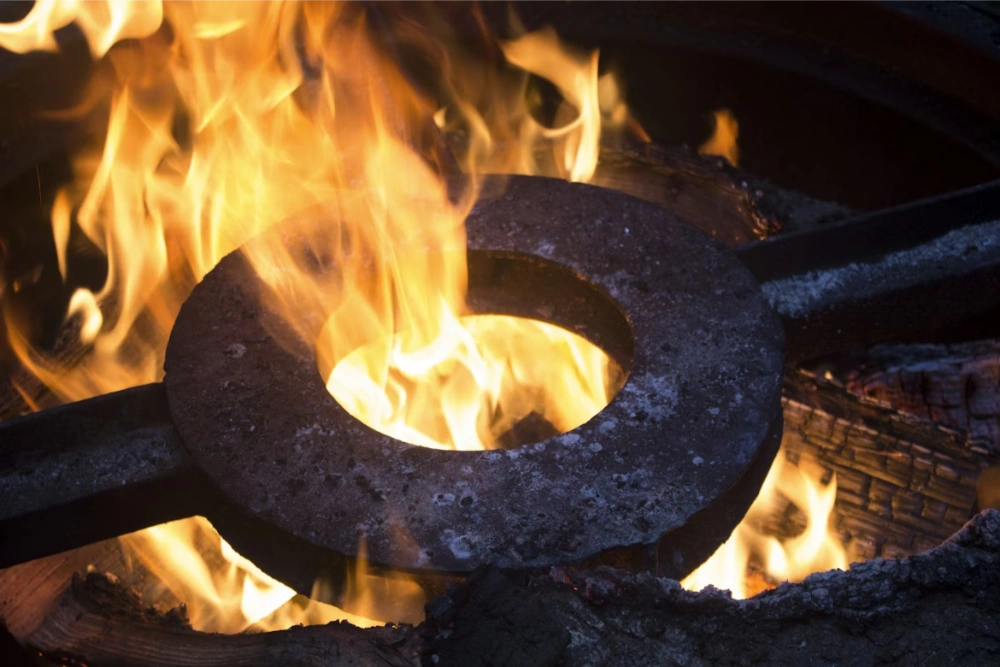
The lead oxidizes into lead oxide (litharge), which is either absorbed by a porous cupel lining made of bone ash or runs off as liquid slag, leaving a “button” of high-purity silver.
This step requires strict temperature control above 888°C to prevent lead from freezing in the silver and to prevent silver vaporization.
Casting and Solidifying Your Refined Silver
Casting and solidifying your refined silver involves transferring the molten metal into molds and removing residual surface impurities.
The pouring process requires carefully transferring the molten silver into preheated cast iron ingot molds. During cooling, “dross” (surface impurities) forms and must be physically removed.
Even after a successful pour, verifying the final purity of the ingot requires professional assay testing to confirm it meets industry specifications.
Accurate Silver Assays Before and After Smelting
Accurate analytical data is the foundation of any profitable smelting operation. Without verified assays, refiners risk significant financial losses from unoptimized processes.
Commercial-Grade Silver Assays by Ledoux & Co.
Commercial-grade silver assays by Ledoux & Co. utilize advanced, destructive testing methods to provide legally and financially defensible data.
Relying on basic XRF (X-ray fluorescence) readings is not sufficient for high-stakes financial transactions. We utilize tailored methods, including Fire Assay Cupellation, Inductively Coupled Plasma (ICP), and Gravimetric analysis.
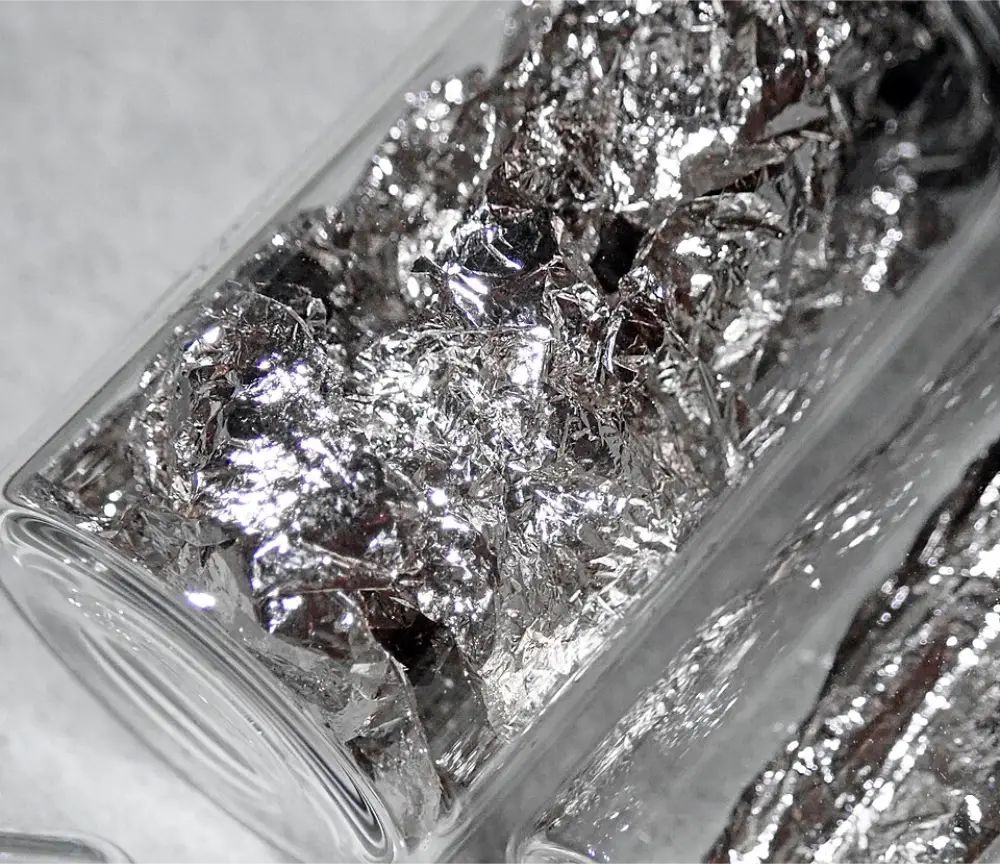
Our Fire Assay is the industry “gold standard” for silver, capable of accurately measuring high-grade and trace-level precious metals in complex matrices. Our assays are commercial-grade, meaning they are accurate enough to be used for umpire disputes, control purposes, and final financial settlements.
For over 145 years, our independent, unbiased metallurgical laboratory has provided precise assay results to worldwide customers.
ISO Accreditation and On-Site Representation Services
ISO accreditation and on-site representation services provide international quality assurance and physical oversight to protect your valuable materials.
We are an ISO 17025 accredited laboratory and ISO 9001:2015 certified, maintaining rigorous quality control measures using NIST-traceable standards. We are proud that Ledoux is now an affiliate member of the LBMA (London Bullion Market Association) / LPM, proving our global recognition for excellence and integrity in precious metal testing.

If you process large volumes of silver ore at a third-party facility, our On-Site Representation services act as your “eyes and ears” to eliminate risks of material loss, poor handling, or theft.
Our on-site experts thoroughly document all data, including Loss on Drying (LOD) and Loss on Ignition (LOI) conditions, ensuring you are treated fairly.
Key Takeaways
Maximizing silver recovery during pyrometallurgical processing is continually challenged by complex ore matrices and improper flux ratios. Mastering how to smelt silver ore requires precise thermal control, tailored chemistry, and rigorous pre-smelting data.
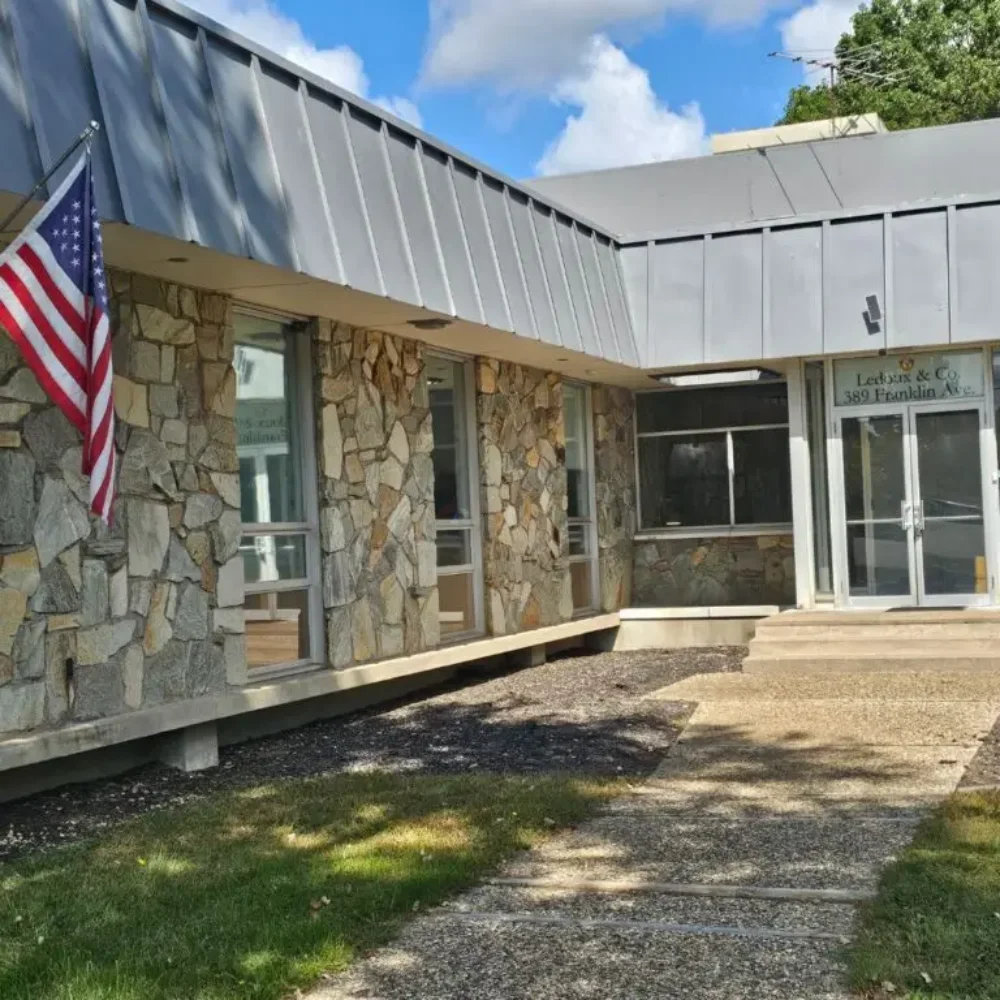
We ensure your operation avoids costly material losses through our ISO 17025-accredited assays.
Trust Ledoux & Co. to provide the precise metallurgical analysis needed to optimize your smelting yields and protect your financial interests.