PGM separations from spent catalysts maximize your return on investment by recovering highly valuable platinum, palladium, and rhodium from discarded automotive and industrial materials.
Because you cannot accurately separate what you cannot measure, upfront laboratory testing is essential to ensure these complex extraction processes yield profitable, scientifically verified results.
The Basics of PGM Separations From Spent Catalysts
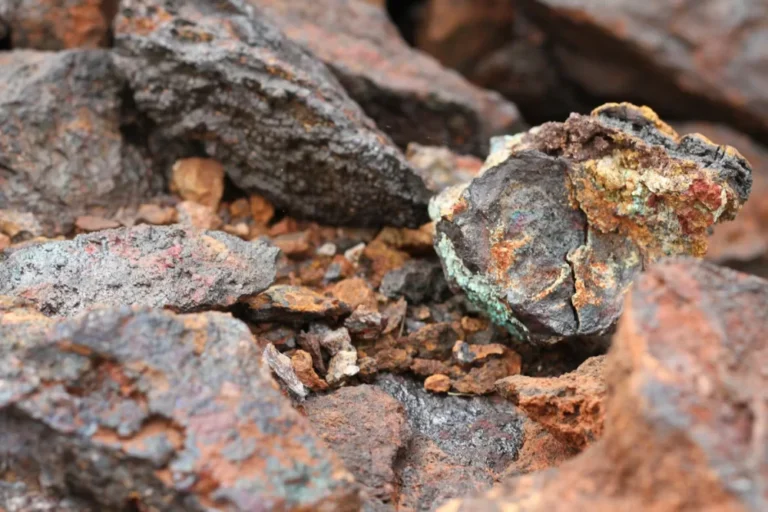
Mastering PGM separations from spent catalysts requires a fundamental understanding of material preparation and extraction pathways. Before chemical or thermal processing can begin, the physical matrix must be properly broken down to access the valuable metals.
2 Key Methods Used For PGM Separations From Spent Catalysts
The two key methods used for PGM separations from spent catalysts are pyrometallurgy and hydrometallurgy, both of which require initial physical destruction of the catalyst structure.
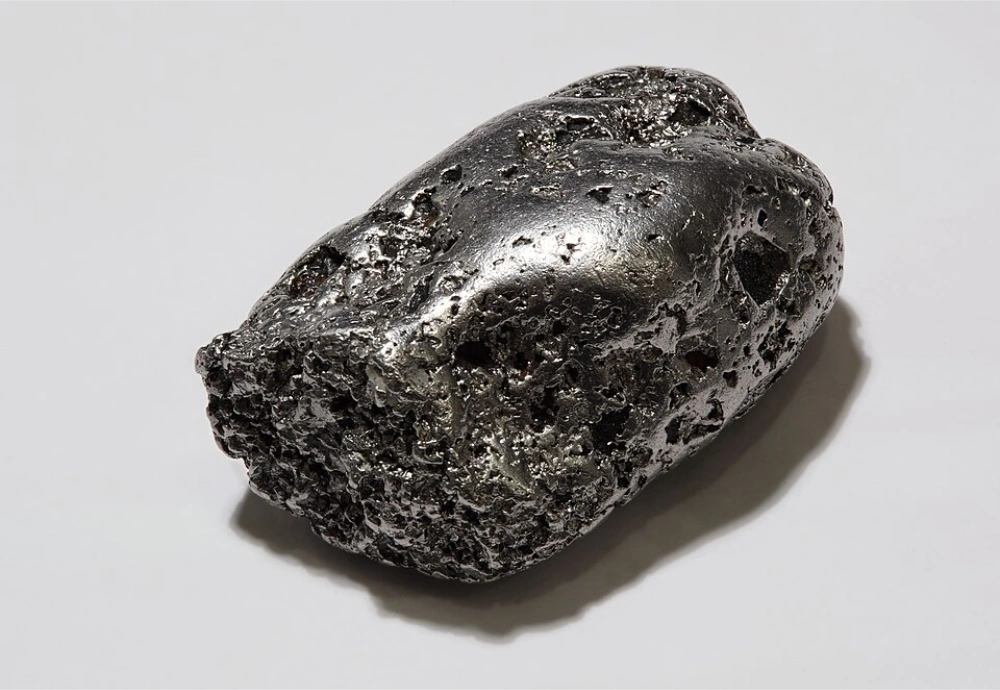
Before applying extreme heat or chemical solutions, processors must use crushing and grinding to dismantle the ceramic honeycomb or alumina base.
This physical breakdown is critical because it liberates the microscopic particles of platinum, palladium, and rhodium, allowing them to be successfully pulled away from the worthless “trash” matrix so they can be sold or reused.
Comparing Techniques For PGM Separations From Spent Catalysts
Comparing techniques for PGM separations from spent catalysts reveals distinct differences between high-heat smelting and chemical leaching, with the optimal choice dictated by precise material assays.
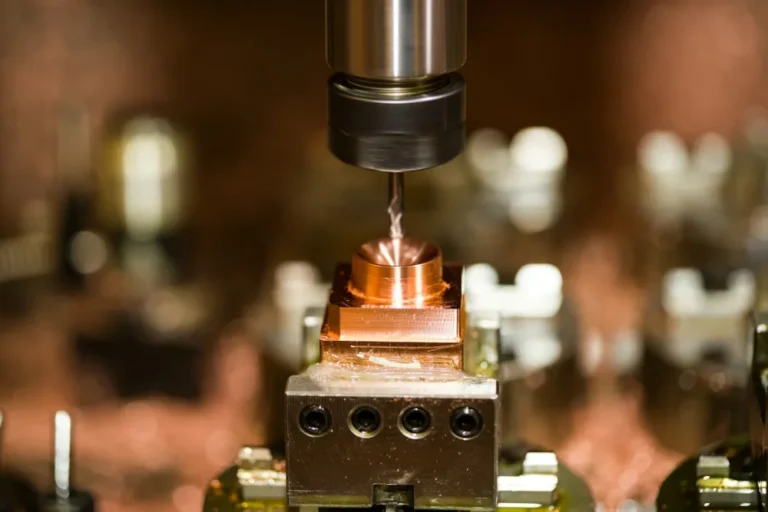
- Pyrometallurgy (Smelting): This method melts the catalyst at extreme temperatures with a collector metal like copper or iron. The PGMs dissolve into the collector metal, while the ceramic waste floats to the top as discardable slag.
- Hydrometallurgy (Leaching): This technique uses strong acids to dissolve the PGMs directly out of the crushed catalyst powder. It is frequently preferred for specific industrial catalysts where high heat might volatilize or damage the target metals.
Regardless of the chosen method, both require perfectly sampled and assayed material beforehand to determine which pathway is most economically viable.
Common Challenges In PGM Separations From Spent Catalysts
Common challenges in PGM separations from spent catalysts stem from:
- Inconsistent Feed Material: Spent catalysts arrive in highly varied forms, including ceramic monoliths, diesel substrates, and specialized industrial wash coats. If this material isn’t uniform, the separation process becomes inefficient and yields drop.
- Hidden Losses: During processing, precious metals can easily be trapped in the slag during smelting or left behind in the solid “cake” after leaching if the chemical process isn’t tightly controlled.
- The “Guesswork” Problem: Attempting to separate metals without a commercial-grade assay upfront is like driving blindfolded. You will not know your true yield, nor will you have the data required to ensure the refiner is offering a fair settlement.
Why Inaccurate Testing Ruins PGM Separations From Spent Catalysts
Inaccurate testing ruins PGM separations from spent catalysts because unmeasured moisture and combustibles completely skew final weight calculations and financial settlements.
Before any separation occurs, catalysts hold varying levels of moisture and trapped organics. If Loss on Drying (LOD) and Loss on Ignition (LOI) are not accurately measured and accounted for, the baseline weight calculations during the separation process will be fundamentally flawed. This leads to severely distorted payout equations.

Furthermore, relying on basic XRF readings alone is insufficient for commercial-scale separations. XRF only evaluates the surface of a sample and frequently misses hidden pockets of platinum, palladium, or rhodium.
To prevent deflated or inflated numbers, independent and unbiased verification is required to ensure all parties in a separation deal are operating on the scientific truth.
The Critical Role Of Assaying In PGM Separations From Spent Catalysts
The critical role of assaying in PGM separations from spent catalysts lies in establishing the exact baseline of precious metal content required to calculate accurate financial returns.
Accurate laboratory testing serves as the absolute foundation of a profitable separation process. You must know exactly how much platinum, palladium, and rhodium is going into the smelter or leaching plant to accurately calculate what should come out.
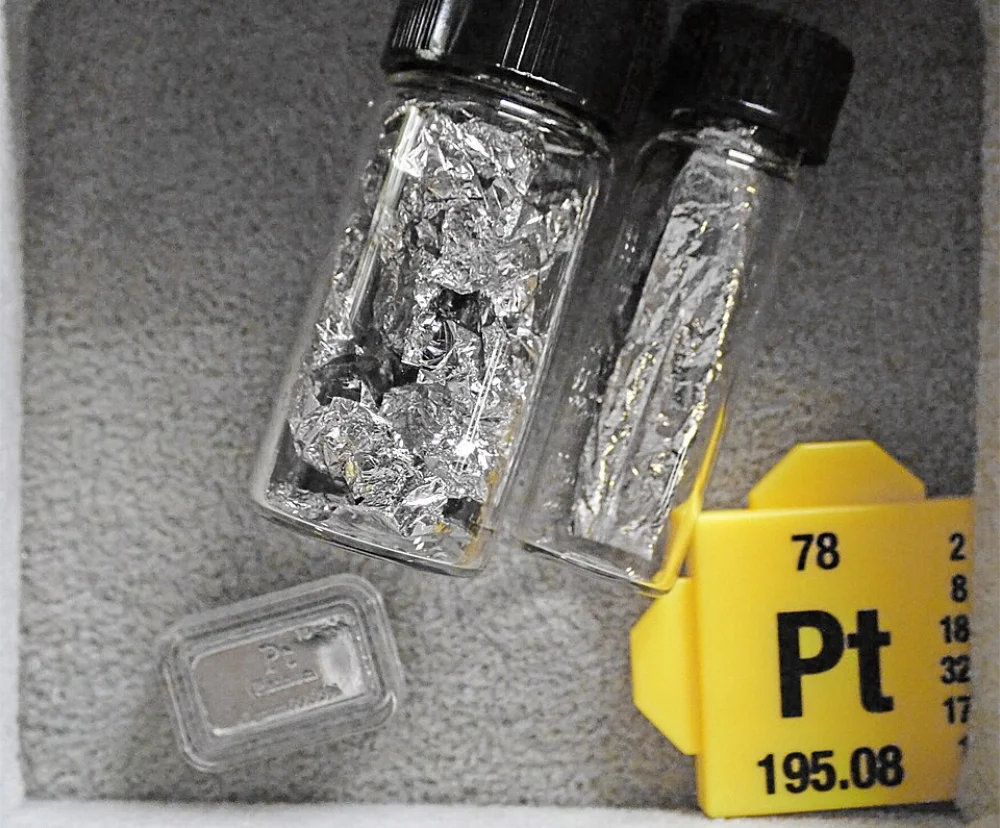
Achieving this precision requires obtaining a homogeneous, representative sample, typically 30-to-100 grams of 70-mesh ground material, before any material is dispatched to a separation facility.
Ultimately, an accurate assay dictates the financial terms of the separation contract, protecting recyclers and refiners from being taken advantage of during complex metallurgical transactions.
Advanced Methods For Testing PGM Separations From Spent Catalysts
Advanced methods for testing PGM separations from spent catalysts utilize rigorous fire assay techniques coupled with instrumental analysis to achieve exact part-per-million accuracy.
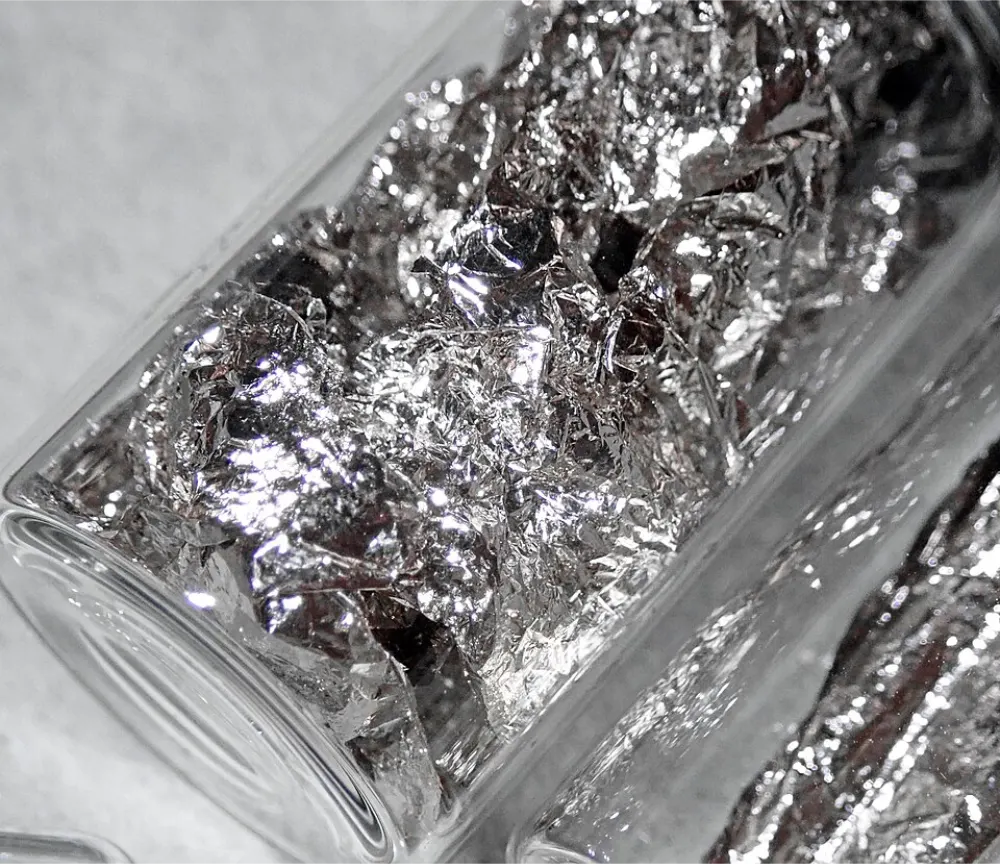
At Ledoux & Co., we employ a multi-tiered approach to ensure absolute precision:
- Fire Assay Cupellation: This remains the gold standard for pulling PGMs from complex catalyst matrices, effectively isolating the precious metals from the surrounding slag.
- Inductively Coupled Plasma (ICP): Following the fire assay, we use ICP analysis to obtain exact, part-per-million (ppm) readings of the isolated metals.
- Wet Chemistry and Gravimetric Testing: Depending on the specific matrix of the spent catalyst, such as differentiating between VAM versus automotive materials, our experts deploy targeted wet chemistry and gravimetric methods to verify the results.
How Ledoux & Co. Supports Your PGM Recovery Operations
Ledoux & Co. supports your PGM recovery operations by providing the critical, unbiased analytical data that makes PGM separations from spent catalysts profitable and fair.
While we do not perform the physical separations ourselves, our independent metallurgical laboratory leverages over 145 years of experience to be your trusted data partner.
We are an ISO 17025 accredited and ISO 9001:2015 certified lab, and we are a proud affiliate member of the LBMA/LPM. These credentials prove that our methods meet the highest international standards for accuracy, utilizing NIST-traceable standards to deliver the scientific truth.
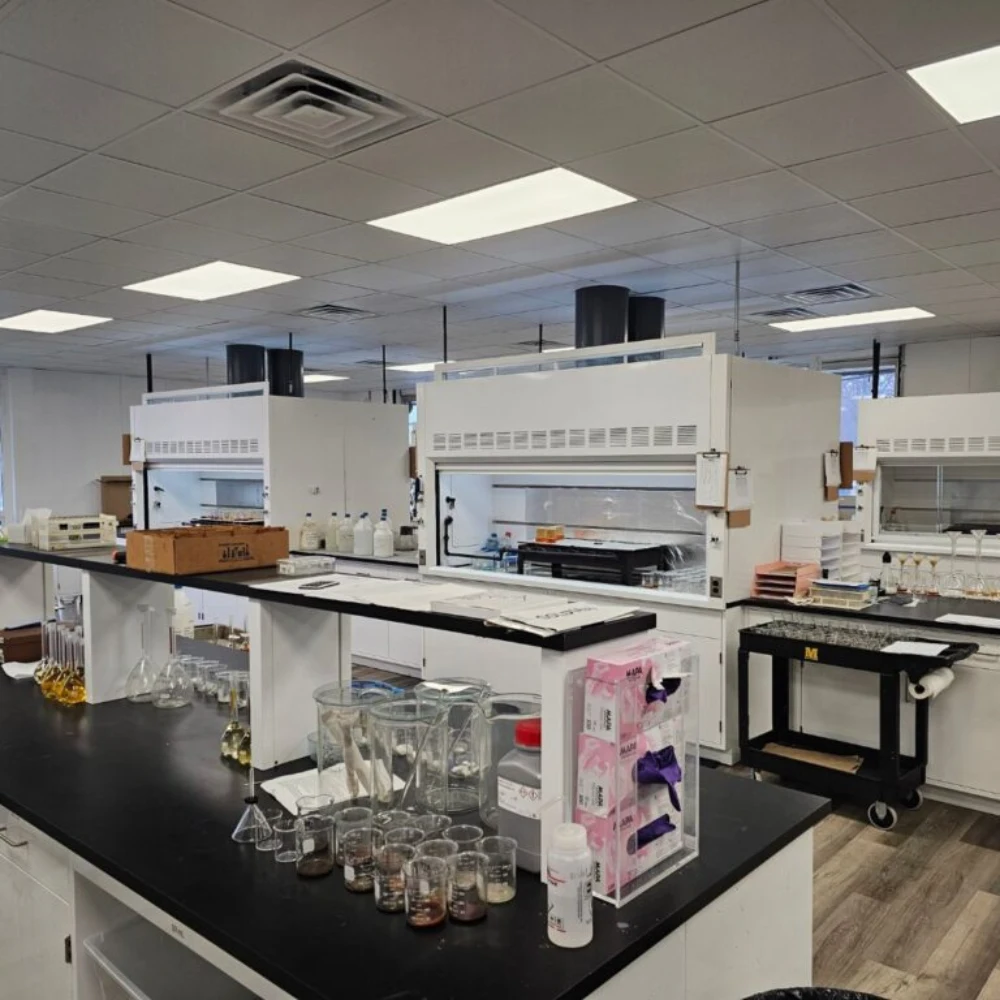
We test a comprehensive range of materials, including spent automotive catalysts (monolith, diesel, wash coat), spent industrial/VAM catalysts, and fresh catalysts, accurately determining palladium, platinum, rhodium, gold, silver, and rhenium content.
Additionally, we offer on-site representation services. When you send tons of material to a separation facility, our reps act as your “eyes and ears,” meticulously documenting weighing, sampling, and handling to completely eliminate the risks of material loss or theft.
Key Takeaways
The primary problem in recovering precious metals is the financial risk of processing materials without knowing their true value. Accurate PGM separations from spent catalysts are impossible without precise, empirical baseline data.

By partnering with Ledoux & Co., you secure the independent, ISO-accredited assaying required to ensure your extraction processes yield maximum ROI and total transparency.