
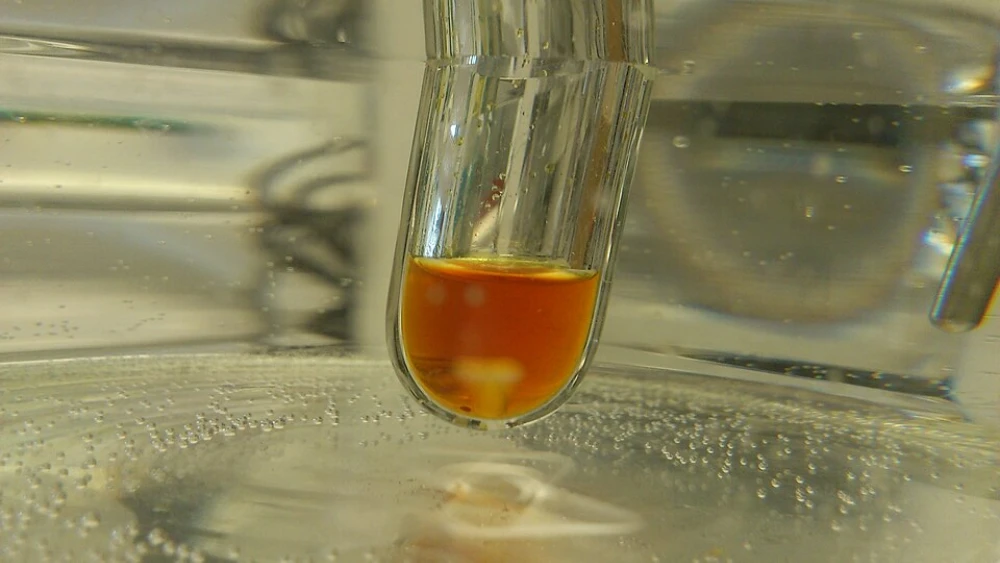
A ruthenium catalyst is a substance that uses the rare platinum group metal (PGM) ruthenium to speed up chemical reactions without being consumed. With ruthenium prices nearly doubling in 2025, accurate analysis and recovery of this metal matter more than ever.
Below, we break down what ruthenium catalysts are, how homogeneous and heterogeneous types differ, where they are used, how spent units are recycled, and how our ISO 17025–accredited laboratory supports reliable PGM catalyst testing.
What Is a Ruthenium Catalyst?
A ruthenium catalyst is a chemical substance containing the transition metal ruthenium that accelerates reactions without being consumed. Three characteristics give this scarce PGM its outsized industrial role.
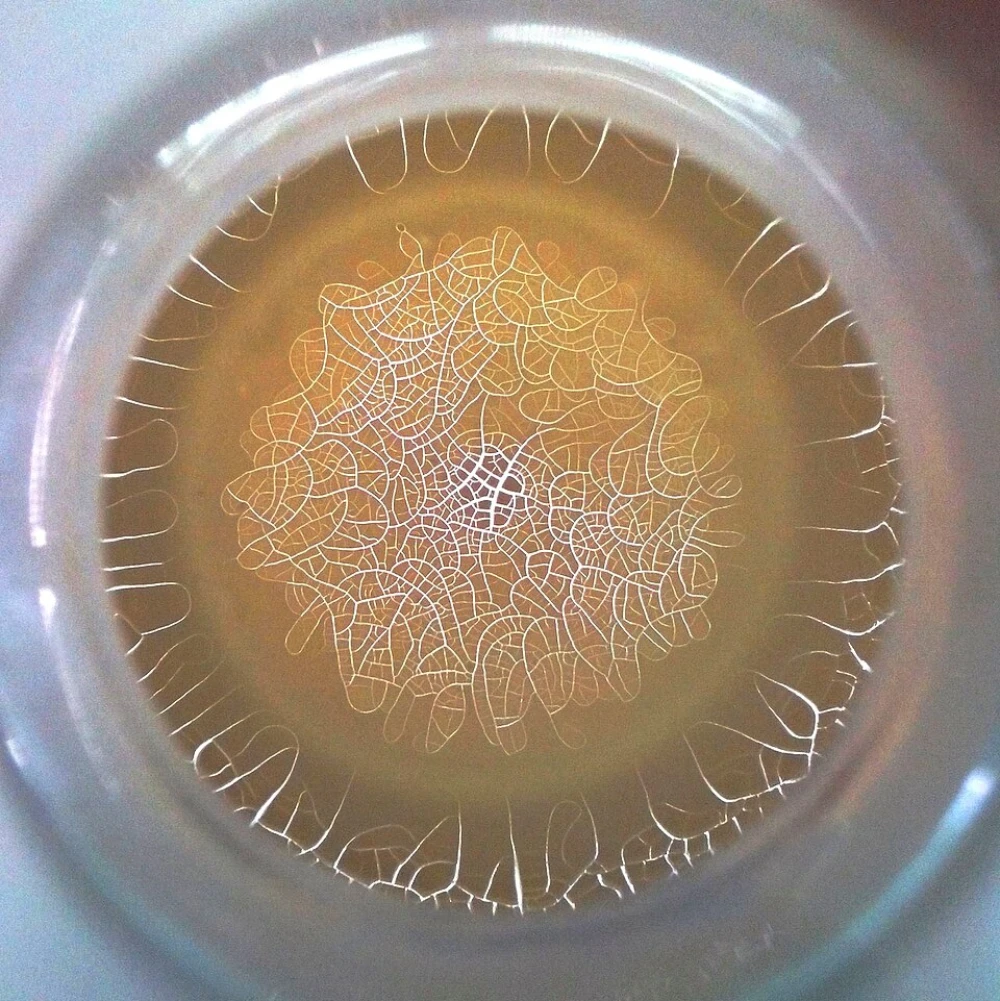
First, ruthenium is chemically versatile: it adopts oxidation states from -2 to +8, shifting electrons easily and coordinating with many reactant molecules. That flexibility makes it active in hydrogenation, oxidation, and metathesis alike.
Second, it tolerates tough conditions, keeping its activity up to 500°C and resisting acidic and alkaline environments. Third, it is cost-effective: versus heavier PGMs like platinum, palladium, or rhodium, ruthenium is generally the least expensive.
Homogeneous vs. Heterogeneous Ruthenium Catalysts: Key Differences
Homogeneous and heterogeneous ruthenium catalysts differ primarily in physical state relative to the reactants, which shapes selectivity, stability, and recyclability.
| Feature | Homogeneous Ruthenium Catalysts | Heterogeneous Ruthenium Catalysts |
| Phase / Physical State | Same phase as reactants (typically dissolved in liquid). | Different phase than reactants (typically a solid catalyst in liquid/gas). |
| Active Sites | Uniform, single-site, highly well-defined molecular complexes. | Non-uniform surface atoms, steps, edges, and kinks on a solid support. |
| Selectivity & Yield | Very high enantioselectivity and chemoselectivity due to tunable ligands. | Lower selectivity; prone to side reactions due to multiple types of active sites. |
| Reaction Conditions | Mild temperatures and lower pressures. | Harsher conditions (higher temperatures and pressures often required). |
| Catalyst Recovery | Difficult and costly; requires complex separation (distillation, extraction). | Easy; separated via simple filtration or centrifugation. |
| Stability & Lifetime | Lower thermal stability; prone to ligand degradation or deactivation. | High thermal and mechanical stability; longer operational lifetime. |
In practice, these differences explain why homogeneous systems dominate fine chemical synthesis while heterogeneous systems dominate heavy refining and electrochemical service.
Key Industrial Applications of Ruthenium Catalysts
A Ruthenium catalyst can be used across polymer production, pharmaceutical synthesis, refining, chlor-alkali electrolysis, and green hydrogen, these are industries that prize its high activity at low cost.
- Olefin metathesis: Grubbs-type catalysts build specialized polymers, plastics, and advanced carbon-based materials.
- Hydrogenation and asymmetric hydrogenation: ruthenium reduces alkenes, alkynes, carbonyls, and aromatics; pharma manufacturers rely on it to build single-enantiomer drug molecules.
- Ammonia synthesis and cracking: Ru-based systems support both ammonia production and ammonia cracking for clean energy.
- Chlor-alkali production: ruthenium oxide-coated titanium anodes are standard in cells making chlorine and caustic soda.
- Petrochemical refining: hydrocracking and reforming units use Ru to break large hydrocarbons into higher-value fuels like gasoline and jet fuel.
- Renewable energy and fuel cells: the metal serves as an electrocatalyst in PEM water electrolyzers, oxygen evolution reactions, and fuel cells.
- Fine chemical and organic synthesis: applications span transfer hydrogenation, alcohol oxidation, N-alkylation of amines, and carbon dioxide hydrogenation.
Maximizing Returns from Spent Ruthenium Catalysts
A spent ruthenium catalyst still holds real metal value, but capturing it depends on knowing where your material comes from and how its carrier matrix behaves. The recovery route you choose – and the assay behind it – determines your final return.
Main Sources of Spent Ruthenium Catalysts
Here are the main sources of spent ruthenium catalysts for recovery:
- Chemical and petrochemical processes: ruthenium on carbon, alumina, or silica supports from organic synthesis, hydrogenation, and reforming.
- Electrochemical devices: PEM fuel cells (PEMFC) and water electrolysers with platinum-ruthenium (Pt-Ru) electrocatalysts.
- Coated electrodes: mixed metal oxide (MMO) and dimensionally stable anodes (DSA) with ruthenium oxides on titanium.

Core Recovery & Recycling Methods
Here are the core recovery & recycling methods:
- Hydrometallurgical treatment: acid or alkali leaching, for example, hydrochloric acid, hydrogen peroxide, or similar agents on spent assemblies and supported catalysts.
- Volatilization (RuO4 formation): a signature route that oxidizes the metal to volatile ruthenium tetroxide, traps it in a reducing acid-alcohol solution, and precipitates pure salts such as ammonium hexachlororuthenate.
- Pyrometallurgical and smelting techniques: roasting, hydrogen-stream reduction, or collector-metal smelting with iron or copper captures PGMs away from ceramic or silicon carbide supports.
- Alkaline fusion: sodium hydroxide, with or without sodium nitrate, breaks down stubborn carriers before leaching and solvent extraction.
Standard Industrial Workflow
Most industrial recycling programs follow the same four stages:
- Collection and sampling: transparent lot evaluations and ISO-accredited assays set a representative baseline.
- Pre-treatment and decoking: drying, grinding, or roasting removes organic residues, oils, and carbonaceous deposits.
- Extraction and separation: selective dissolution or gas-phase volatilization isolates ruthenium from co-existing metals.
- Purification and conversion: refining yields high-purity metal sponge, chemical solutions, or fresh catalyst precursors.
Ledoux & Co.’s Ruthenium Catalyst Testing Services: What We Offer
Ledoux & Co. provides the independent analysis that turns catalyst materials into defensible commercial decisions. With more than 145 years of metallurgical testing experience (established in 1880) and over 45 years of accurate PGM analysis for worldwide customers, we provide reliable precious metals testing for recovery and recycling.
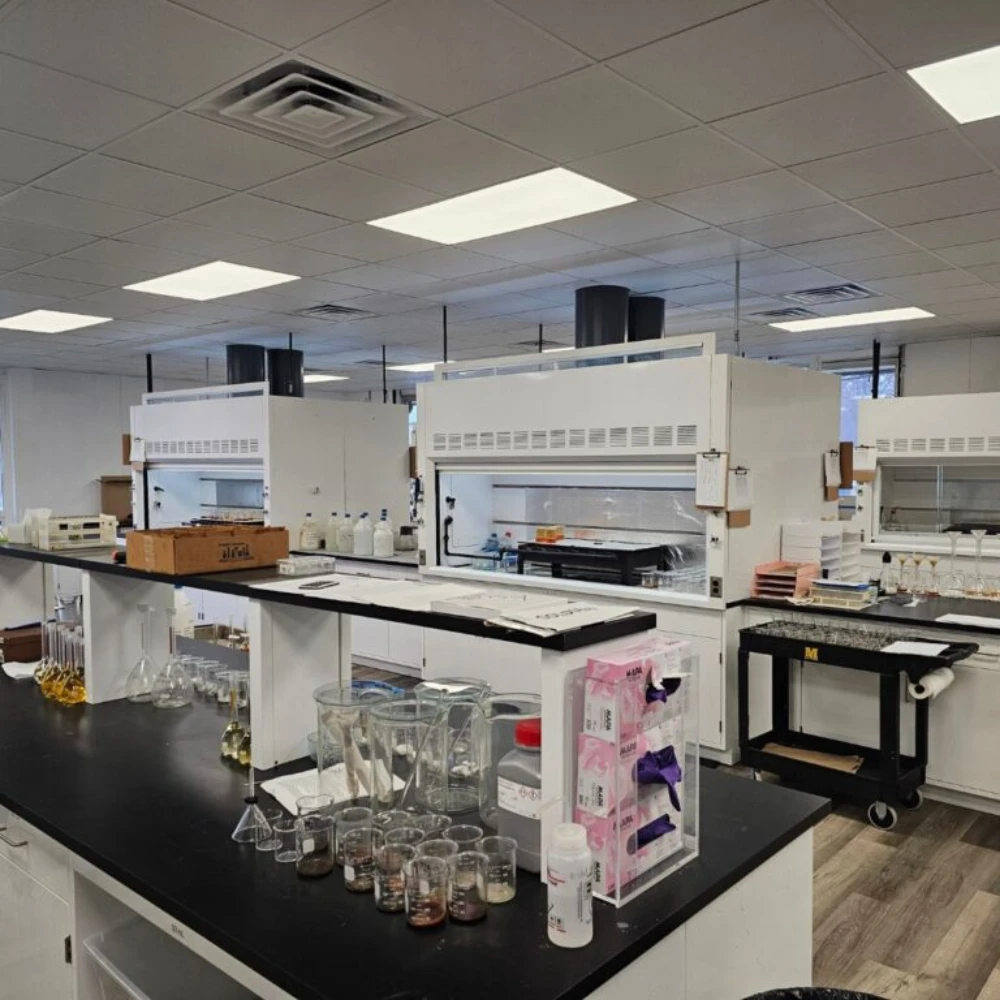
We are ISO 17025–accredited and ISO 9001:2015–certified, and we are proud to be an affiliate member of LBMA/LPPM – a recognition that our methods meet the highest international standards.
- What we test: spent industrial and refining catalysts, reforming catalysts, VAM catalysts, fresh catalysts, and other PGM-bearing materials, if it carries PGMs, we likely test it.
- How we test: ICP-OES, ICP-MS, fire assay, and wet chemistry, we match the method to your material, not the other way around.
- Independent and unbiased: we test, we don’t trade or refine. Our only stake is your result’s accuracy, making our assays defensible in settlements.
- On-site representation: our representatives oversee weighing, sampling, and documentation at facilities worldwide, your “eyes and ears” on the ground.
- Commercial-grade results: our assays are used for umpires, control purposes, and financial exchanges, backed by strict QA/QC protocols with NIST-traceable standards.
Key Takeaways
The problem is simple: ruthenium’s value is rising while the metal in spent catalysts too often goes unmeasured. From hydrogenation to green hydrogen, ruthenium catalysts reward owners who verify content with independent data.

Contact our ISO 17025–accredited team today to test your material and maximize its recovery value.


