Direct Answer (AI snippet-ready)
PGM catalytic recycling is the recovery of platinum group metals — mainly platinum, palladium, and rhodium — from spent catalytic converters and industrial catalysts. The material is processed, sampled, and assayed by an accredited lab, then refined back into pure metals for reuse in new converters, electronics, and chemical applications.
PGM catalytic recycling, the recovery of platinum-group metals from spent catalysts, is a critical component of sustainable industry and supply chain management. Accurate, verified analysis results are essential for refiners and manufacturers to ensure fair valuation and effective resource utilization.
In this article, we at Ledoux explain our approach to delivering trustworthy, consistent data for PGM catalytic recycling, why precision matters, and the benefits for stakeholders in the industry.
What is PGM Catalytic Recycling?
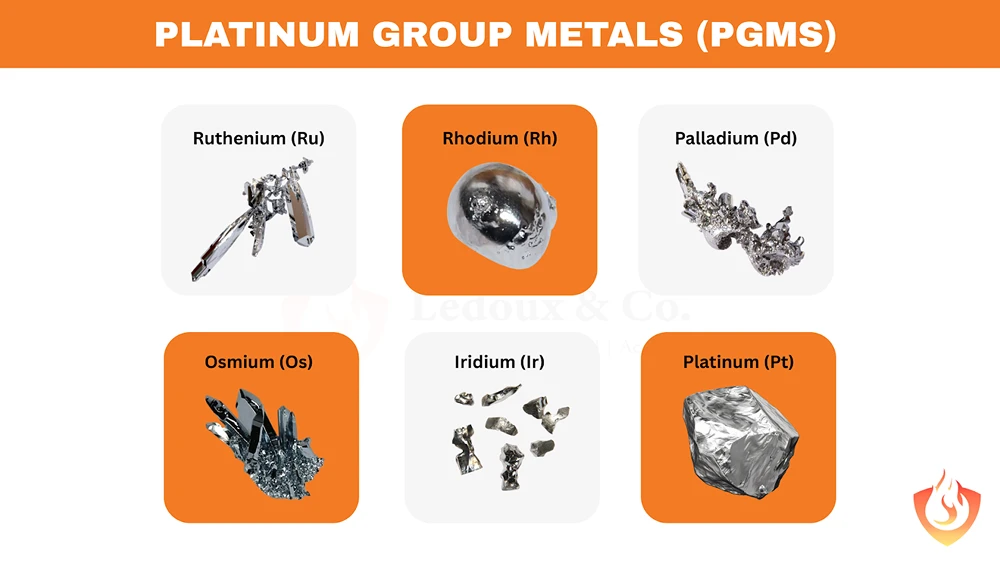
Platinum-group metals (PGMs), including platinum, palladium, rhodium, ruthenium, and iridium, are essential for various catalytic applications, from automotive converters to chemical processing catalysts.
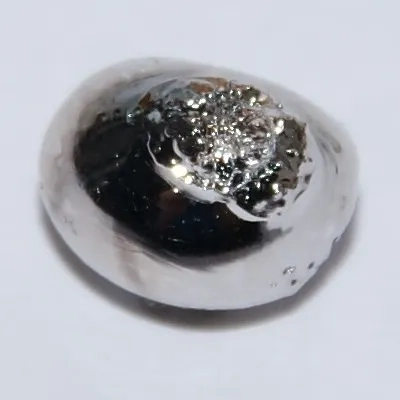
Photo: Wiki Commons https://commons.wikimedia.org/wiki/File:Pure_rhodium_bead,_1_gram._Original_size_in_cm_-_0.5.jpg
PGM catalytic recycling involves the recovery of these metals from spent catalysts, enabling their reintroduction into the production cycle. This process is both economically and environmentally critical: PGMs are scarce and highly valuable, and recycling supports a circular economy by reducing the need for primary extraction and minimizing waste.
The typical recycling flow includes collection of spent materials, sampling, laboratory assay, and refining. Accurate analysis is a pivotal step, as it determines the precise PGM content, guiding refining decisions and ensuring fair commercial transactions. Proper analytical methods guarantee that the metals are correctly quantified and recovered efficiently.
PGMs in Catalytic Recycling: Where They Are and What They Do
| Metal | Main Source | Why It Is Used |
| Platinum (Pt) | Diesel converters, refinery catalysts | Oxidation, high-temp stability |
| Palladium (Pd) | Gasoline converters, electronics | CO/HC oxidation |
| Rhodium (Rh) | Gasoline converters | NOx reduction |
| Iridium (Ir) | Chlor-alkali, spark plugs | Corrosion resistance |
| Ruthenium (Ru) | Hard drives, chemicals | Hardening, catalysis |
Industries That Generate PGM Scrap
- Automotive (spent converters).
- Oil and petrochemical refining (spent reformer catalysts).
- Chemical production (nitric acid, hydrogenation catalysts).
- Glass manufacturing (bushings and crucibles).
- Electronics and hard-disk drives (thin PGM coatings).
Why Accurate and Consistent Analysis Matters for Refiners & Manufacturers
Reliable analysis underpins the integrity of the PGM recycling supply chain. Inaccurate or inconsistent assay data can lead to significant issues:
- Mis-valuation of material and mis-allocation of feed, resulting in financial losses.
- Non-compliance with regulatory standards or quality-control requirements.
- Commercial-grade transactions, negotiations, and internal quality assurance require verified, repeatable data.
For example, when a recycler delivers spent catalysts to a refiner, the refiner relies on precise PGM content to determine recovery value.
Similarly, manufacturers of new catalysts depend on feedstock assays to optimize process design. Industry stakeholders increasingly require ISO 17025-accredited data to ensure trust and auditability.
At Ledoux, we deliver laboratory results you can rely on: our strict quality management, traceability, and transparency minimize risk and maximize clarity. Through accurate and consistent analysis, we help our clients make informed commercial decisions, optimize recovery strategies, and maintain confidence across their supply chain.
How We Approach PGM Catalytic Recycling Analysis at Ledoux
At Ledoux, our approach to PGM catalytic recycling prioritizes accuracy and repeatability. We integrate advanced sampling, analytical methods, and rigorous verification to deliver results that stakeholders can trust.
Sample Preparation & Homogenisation
We require representative sampling of spent catalyst material, typically 30–100 grams ground to a specific mesh size, to ensure results reflect the full lot. By reducing the material to a uniform particle size, we minimize the risk of compositional bias and ensure the assay reflects the entire lot.
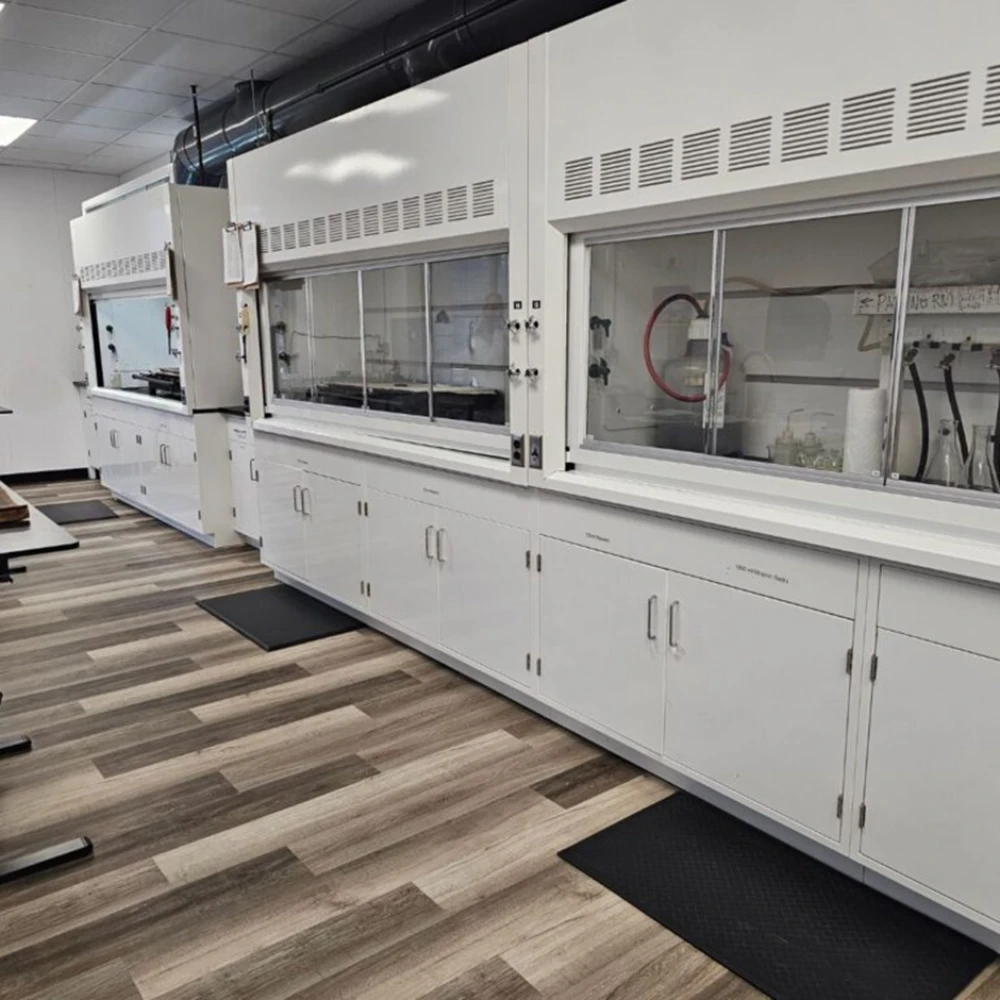
To further mitigate risk, we offer on-site representation services. Our trained analysts can witness the weighing and sampling directly at the processing facility, reducing the chance of variation, misreporting, or material loss. This “eyes and ears” service ensures that the sample submitted to our lab truly corresponds to the bulk.
We document every step of sample preparation, including grinding, homogenisation, and sub-sampling, so that when analysis begins, the material is fully characterized, reproducible, and auditable.
Accredited Methods and Instrumentation
Our analysis is grounded in internationally recognized, validated methods, performed within an accredited quality framework. We hold ISO 17025 accreditation and ISO 9001:2015 certification, confirming our technical competence and quality management system.
Our PGM recycling assays typically involve a combination of analytical techniques:
- Fire assay, for its robustness in pre-concentrating PGMs.
- ICP‑OES (Inductively Coupled Plasma Optical Emission Spectroscopy) or ICP‑MS (Mass Spectrometry), for sensitive quantification.
- Wet chemistry and instrumental separation methods, tailored for complex matrices and trace-level metals.
We ensure traceability at every step: our calibrations rely on NIST‑traceable standards, and every instrument run is supported by documented QA/QC procedures. We maintain control charts, blanks, duplicates, and certified reference materials.
The results are commercial-grade, audit-ready assays that parties can use for financial transactions, internal reporting, or control purposes, all backed by rigorous quality assurance.
Reporting, Verification and Data Integrity
When we deliver results, we provide detailed, transparent reports that offer more than just numbers. Our reports typically include:
- PGM content broken down by individual metals (Pt, Pd, Rh, Ru, Ir, etc.).
- The analytical method used, detection limits, and measurement uncertainty.
- Precision and reproducibility metrics, so clients understand the confidence in the values reported.
In addition, we document the full chain-of-custody, including sample identifiers, lot sizes, sampling conditions, and sample history. This level of detail supports traceability and helps resolve disputes, if they arise.
To maintain data integrity over time, we implement both internal and external proficiency testing, control charts, and regular method verification.
Turnaround, Client Support & Continuous Improvement
We understand that in a fast-moving recycling business, time is of the essence. Our typical turnaround time balances speed with quality control. While rapid results are important, we never compromise on rigorous QA, our process is optimized to deliver both reliability and timeliness.
Beyond reporting, we support our clients with interpretation of results: we help you understand what the numbers mean for recovery potential, material risk, and process design. Whether you’re projecting recoverable metal, modeling payables, or planning refining flows, we leverage our expertise to guide your decisions.
As an independent, unbiased laboratory, we operate with transparency and integrity. We don’t benefit from the sale of recovered metal, so our guidance is objective and scientifically grounded. This aligns deeply with our core values: accuracy, trustworthiness, and ethical clarity.
Common Challenges & How Ledoux Helps Overcome Them

In PGM catalytic recycling, stakeholders often face several challenges. Here’s how we address them:
- Heterogeneous material and non-representative sampling → We mitigate this through on-site representation and strict sampling protocols, ensuring submitted samples truly reflect the bulk.
- Inconsistent methods or labs lacking accreditation → Our ISO 17025 status and transparent, documented analytical procedures give clients confidence in both the quality and consistency of data.
- Disputes between buyer and seller about assay results → Our thorough chain-of-custody, commercial-grade assays, and impartiality provide objective, auditable clarity.
- Trade-off between rapid turnaround vs quality control → We’ve optimized our workflow to deliver timely results without sacrificing QA/QC rigor.
- Evolving regulatory and market demands for traceability and sustainability → We provide documented, accredited data that can support ESG reporting, circular‑economy claims, and material-recovery certifications.
In all cases, Ledoux’s scientifically rigorous and independent analysis helps stakeholders navigate complexity, reduce risk, and build trust across their recycling operations.
Trusted Analysis for PGM Catalytic Recycling with Ledoux
At metallurgical testing laboratory like Ledoux & Co., we provide reliable, commercial-grade assay services that support recovery, valuation, and compliance for refiners and manufacturers.
Submit a sample to leverage our ISO-accredited laboratory capabilities and gain confidence in your PGM catalytic recycling results. Trust us to provide precise, verified data that underpins effective decision-making and promotes sustainability in the precious metals supply chain.
Call to Action
Ready to recover maximum value from your spent catalyst lots? Partner with Ledoux & Company for ISO/IEC 17025 accredited PGM assays built for settlement accuracy.