

How copper is manufactured involves transforming low-grade ore into high-purity cathodes through extraction, concentration, smelting, converting, fire refining, and electrorefining.
This essential metal powers our modern electrical, thermal, and antimicrobial applications.
Step 1: Extraction and Concentration
The extraction and concentration of copper begins with mining raw ore containing less than 1% copper, then progressively increasing its purity through mechanical and chemical separation.
- Mining: Raw copper ore is extracted from the ground through digging or blasting operations.
- Primary Crushing: Large jaw crushers reduce massive boulders to manageable chunks.
- Milling: Ball mills grind the crushed rock with water into fine sand or powder.
- Froth Flotation: Chemical collectors make copper particles water-repellent while other materials remain wet.
- Air Bubbling: Air blown through the mixture causes copper-bearing minerals to attach to rising bubbles, forming surface froth.
- Thickening: The copper-rich froth is skimmed and thickened into a concentrate holding roughly 15% to 30% copper.
Step 2: Smelting and Roasting
This thermal transformation prepares the material for converting by concentrating copper into a sulfide-rich intermediate product.
- Heating with Air: The copper concentrate is heated intensely with oxygen below its melting point.
- Removing Sulfur: Sulfur converts into sulfur dioxide gas and escapes the system.
- Drying Out: Moisture and extra waste like arsenic and phosphorus burn off completely.
- Forming Calcine: The solid product left behind after heating is called calcine.
- Adding Flux: Calcine is mixed with silica (sand) and limestone to prepare for separation.
- Melting Down: The mixture enters a high-heat furnace where temperatures reach approximately 1200°C.
- Creating Slag: Iron and waste bind with silica to form a top layer of waste called slag.
- Producing Matte: A heavy, molten middle layer forms, known as copper matte rich in copper sulfide.

Step 3: Converting
The converting process transforms copper matte into blister copper by blasting it with oxygen to remove remaining iron and sulfur impurities, elevating purity from roughly 60-70% to 98-99%.
- Feeding the Matte: Liquid copper matte is poured into a rotating converter furnace.
- Blowing Oxygen: Air or oxygen-rich gas is blasted through the molten liquid.
- Removing Iron: Silica flux is added to catch leftover iron, forming a separate slag layer that is skimmed off.
- Sulfur Removal: Oxygen reacts with remaining sulfur to create sulfur dioxide gas, which escapes into gas capture systems.
- Blister Production: The displacement of iron and sulfur leaves behind molten copper metal, named “blister copper” because escaping sulfur dioxide gas forms blister-like bubbles on its solidified surface.

Step 4: Fire Refining and Anode Casting
Fire refining and anode casting further purifies blister copper by oxidizing remaining impurities, reducing excess oxygen, and casting the metal into standardized anodes for final electrolytic purification. This stage produces 99.5% pure copper formed into heavy rectangular plates weighing approximately 320-340 kg each.
- Melting: Solid or liquid blister copper and clean scrap are loaded into a tilting or rotary anode furnace and heated to roughly 1200°C–1250°C.
- Oxidation: Air or pure oxygen is blown through the molten bath, burning off remaining sulfur and iron impurities that float to the top as slag.
- Reduction (Polishing): Reducing gases like natural gas, propane, or hydrocarbons are injected to remove excess oxygen, preventing gas bubbles or surface defects during later cooling.
- Transfer: Molten refined copper travels through heated troughs called launders into an intermediate ladle.
- Pouring: An automated system tilts the ladle to pour precise amounts of copper into heavy molds.
- Casting Wheel: The molds sit on a large rotating wheel that indexes past a pouring station.
- Cooling and Harvesting: Water sprays cool the solidifying copper plate for a few minutes before mechanical pins lift the finished anode slab.

Step 5: Electrorefining
Electrorefining achieves final copper purification by using electrical current to dissolve copper from impure anodes and deposit it onto pure cathode sheets, leaving precious metals and impurities behind as anode slime.
- Setting Up the Tanks: Cast anodes (positive side) are placed into large tanks alongside thin pure copper starter sheets called cathodes (negative side).
- Acid Bath: The tanks are filled with an acid solution made of copper sulfate and sulfuric acid.
- Applying Electricity: An electrical current passes through the liquid, causing copper to leave the anode, travel through the liquid, and stick to the cathode sheet.
- Leaving Impurities Behind: Valuable precious metals and waste impurities sink to the bottom of the tank as anode slime.
- Final Harvest: After about 7 to 10 days, the new 99.99% pure copper cathodes are pulled out, washed, and made ready to shape into commercial products.

Ledoux & Co.: Ensuring Quality in Copper Concentrates and Precious Metals
Understanding how copper is manufactured highlights the critical need for accurate chemical analysis at every stage, from initial concentrates to anode slime byproducts. Ledoux & Co. independent laboratory ensures the true value of your copper-bearing materials and associated precious metals is precisely determined.

Concentrate shipped to smelters contains not just copper, but trace gold and silver significantly impacting value. We require a properly prepared, homogeneous sample, 100 grams of 70-mesh ground material, to accurately represent the entire lot. Our ISO 17025 accredited methodology precisely analyzes copper, gold, and silver contents, ensuring fair compensation.
During electrorefining, precious metals settle as “anode slime,” a highly valuable material requiring complex testing. Simply relying on XRF is insufficient. We utilize fire assay cupellation, gravimetric testing, and ICP to accurately determine high-grade precious metal analysis and PGM content using NIST-traceable standards.
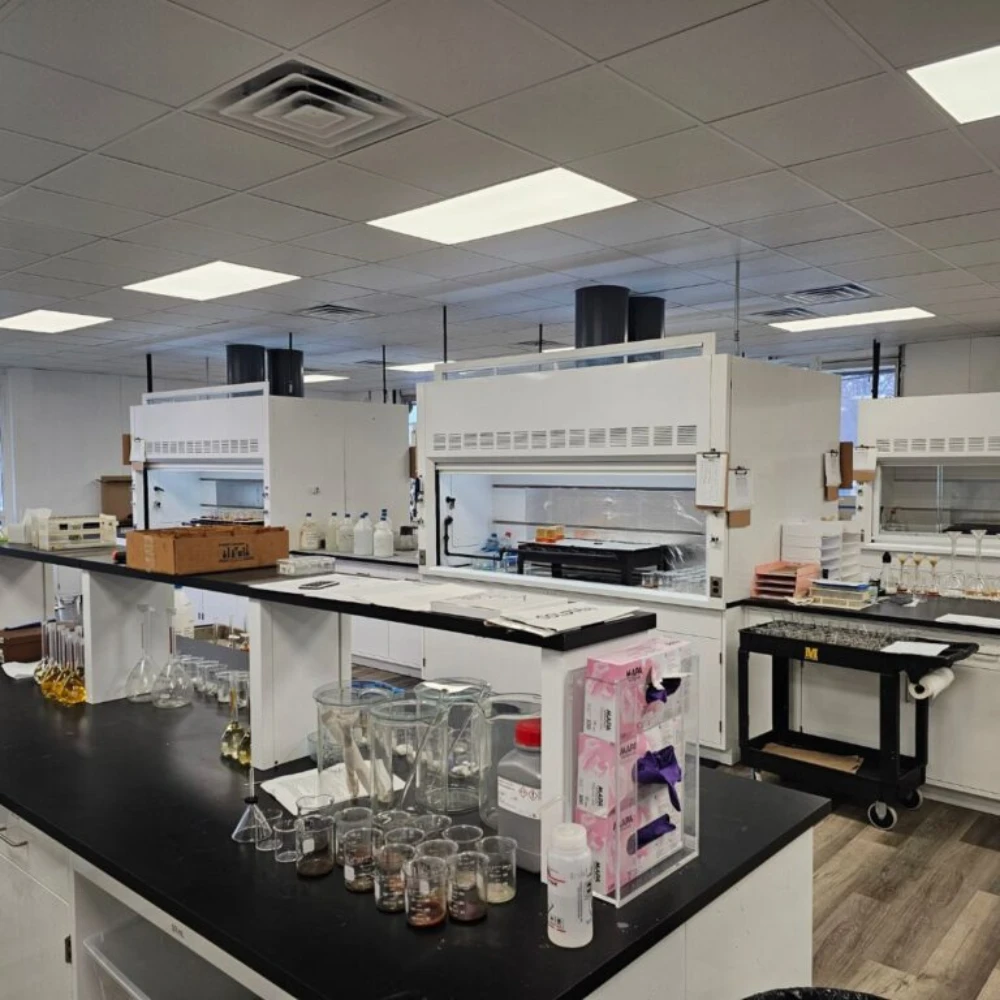
We independently monitor, detail, and document every step of weighing and sampling. We accurately document conditions like Loss on Drying (LOD) and Loss on Ignition (LOI), eliminating risk. As an affiliate member of the LBMA/LPM, we provide the independent, commercial-grade assays that the global market trusts.
Key Takeaways
Understanding how copper is manufactured reveals the complex transformation from low-grade ore to 99.99% pure copper through five distinct processing stages, each requiring precise control and technical expertise.
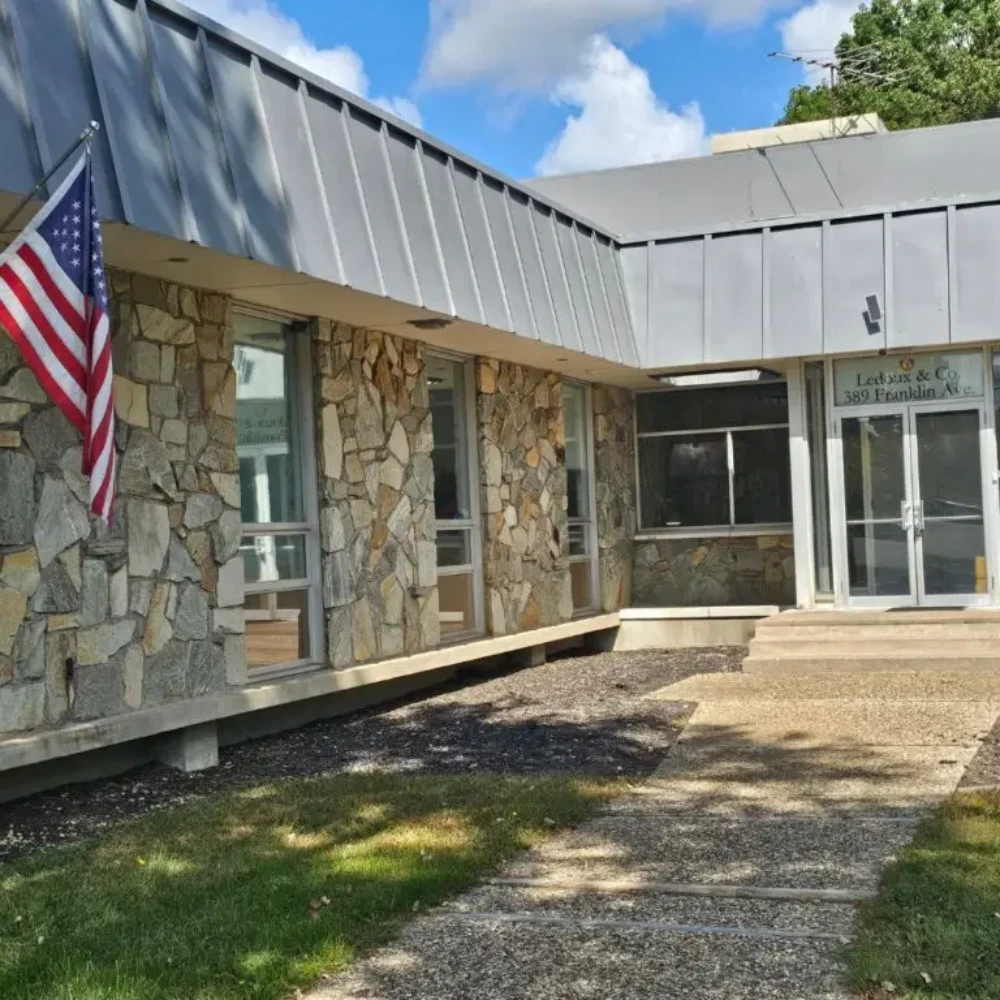
Ledoux & Co. brings 145 years of independent, unbiased expertise to verify your metal content throughout the copper manufacturing process. As an ISO 17025 accredited lab, we deliver the truth in your data with methodologies trusted by the global market.
Partner with us to protect your investments and maximize your returns through precise, commercial-grade assay results.


