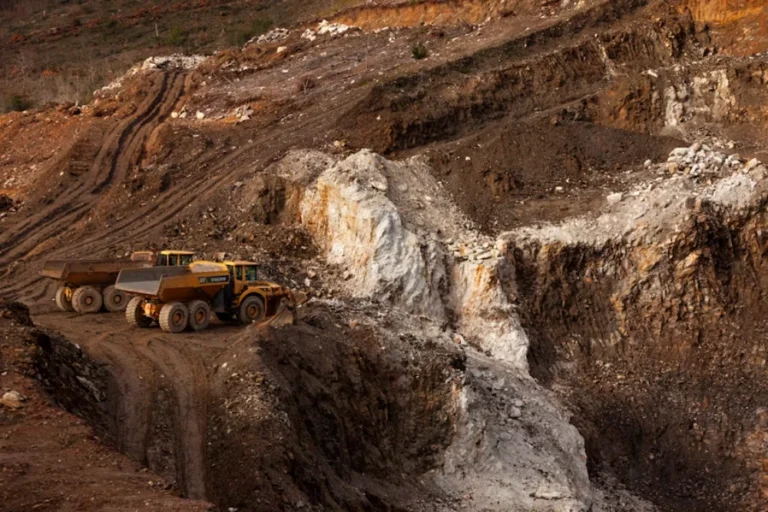

What is iridium used for? This rare platinum group metal drives critical applications in extreme-temperature manufacturing, medical implants, clean energy catalysts, and aerospace components.
This article explores iridium’s industrial processes, medical uses, aerospace applications, scientific research, and testing methods.
Iridium in Industrial Processes and Manufacturing
Iridium’s exceptional properties enable critical industrial applications across multiple sectors:
- Crystal Growth: Pure iridium and iridium-platinum alloy crucibles melt above 2,400°C and resist oxidation, making them essential for pulling oxide single crystals (sapphire, yttrium aluminum garnet) used in LEDs, semiconductors, and optical devices.
- Industrial Thermocouples: Iridium-rhodium alloy wires monitor and control ultra-high-temperature furnace environments where precision is critical.
- Chlor-Alkali Production: Iridium and titanium-iridium coatings on dimensionally stable anodes (DSAs) produce chlorine, fluorine, and caustic soda while withstanding aggressive halogen and acid environments.
- PEM Water Electrolysis: Nanostructured iridium oxide serves as a vital oxygen evolution reaction (OER) catalyst in proton exchange membrane electrolyzers for manufacturing green hydrogen.
- Chemical Catalysis: Iridium compounds act as industrial homogeneous and heterogeneous catalysts, notably in carbonylation processes for acetic acid production.
- Industrial Radiography: Radioactive iridium-192 isotope sources in sealed capsules enable gamma radiography to inspect heavy metal castings, welds, and pipeline integrity.
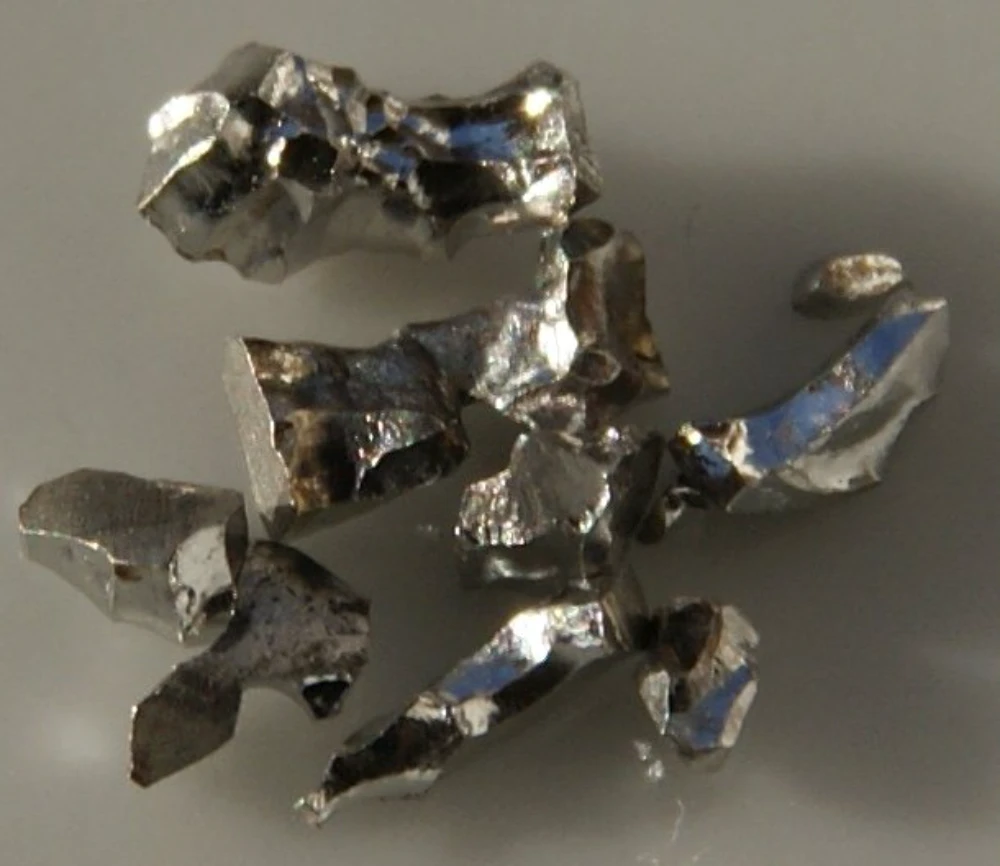
Medical Applications of Iridium
What is iridium used for in medicine includes targeted cancer treatments, durable implants, and advanced diagnostic tools that leverage its unique radiological and biocompatible properties:
- Cancer Treatment: Iridium-192 seeds deliver high-dose gamma radiation directly to tumors while protecting healthy tissue, commonly treating prostate, breast, cervical, and head/neck cancers.
- Implantable Devices: Platinum-iridium alloys provide superior hardness, durability, and biocompatibility for cardiac pacemaker leads, deep brain stimulation electrodes, and neurological monitoring tools.
- Radiopacity: The alloy’s radiopacity shows up clearly on X-rays, helping doctors guide instruments safely inside the body.
- Cellular Imaging: Iridium(III) complexes offer bright photophysical properties allowing scientists to view processes inside single living cells with exceptional clarity.
- Photodynamic Therapy: Light-activated iridium compounds create reactive oxygen species that destroy cancer cells or target specific disease microenvironments.
- Neuroprotection: Experimental research explores specific iridium complexes to reduce inflammation and aid spinal cord injury repair.
Iridium in Aerospace and Automotive Industries
Iridium’s ability to withstand extreme conditions makes it essential for aerospace and automotive components that must perform reliably under severe stress.
Aerospace Applications
In the aerospace industry, iridium’s ability to withstand extreme conditions makes it essential for critical components.
Rocket and jet engines utilize iridium-alloy thrusters and combustion chambers that endure rapid thermal shifts and intense mechanical forces during space flight and reentry. These components maintain their structural integrity when subjected to temperatures and stresses that would compromise most materials.
Additionally, iridium is used in high-temperature thermocouples and to grow single-crystal oxides utilized in aerospace guidance and communication filters.
High-reliability igniter components also rely on iridium’s stability to prevent failure in zero-margin-for-error environments where even minor malfunctions could have catastrophic consequences.

Automotive Applications
The automotive industry has found numerous applications for iridium that improve performance, efficiency, and longevity of vehicle components.
Premium, long-life spark plugs use iridium alloy tips to resist electrical erosion and high cylinder temperatures, improving vehicle mileage and durability while extending maintenance intervals.
Selected specialty parts in turbochargers and exhausts also utilize iridium’s oxidation resistance to withstand corrosive gases at elevated operational pressures.
As the industry moves toward electrification, iridium acts as a vital catalyst in proton exchange membrane (PEM) electrolyzers to produce clean hydrogen fuel for modern eco-friendly transport, positioning it as an important material for future automotive technologies.
How Scientists Utilize Iridium in Research and Measurement
Beyond industrial applications, iridium serves as a crucial scientific tool.
Geologists measure elevated iridium concentrations in 65.5 million-year-old sedimentary layers as evidence of the asteroid impact causing dinosaur extinction.

Scientists track extraterrestrial matter entering Earth’s atmosphere by measuring background iridium dust in deep-sea sediments.
Historically, a 90% platinum-10% iridium alloy forged the international prototype meter bar and kilogram due to its resistance to environmental wear.
In particle physics, high-density iridium blocks serve as conversion targets when firing proton beams to create antiprotons.
How We Test for Iridium: Ledoux’s Precious Metal Analysis
At Ledoux & Co., our testing for iridium utilizes our 145+ years of expertise as an independent, ISO 17025 accredited and ISO 9001:2015 certified laboratory and affiliate member of LBMA/LPM to deliver precise, commercial-grade results you can trust for financial decisions.
- Catalyst Materials: For spent automotive, spent industrial/reforming/VAM, fresh, and EO catalysts, our ISO 17025 accredited assays quantify PGMs, including iridium when present, delivering commercial-grade results you can use for settlements and operational decisions with complete confidence.
- Multi-Technique Approach: We use a fit-for-purpose mix of techniques: fire assay for robust PGM recovery from refractory matrices, ICP-OES/ICP-MS for multi-element precision, and gravimetric/titration methods where appropriate; we never rely solely on XRF for final settlement numbers, ensuring maximum accuracy.
- On-Site Representation: Our on-site precious metals representation services put experienced professionals at your processing facilities to independently witness weighing and sampling, document conditions (including LOD/LOI), and protect your interests, critical when high-value iridium-bearing materials are handled.
- Sample Handling: We treat every sample with strict chain-of-custody protocols, and we’re happy to discuss your material type and goals upfront so we can recommend the right method, sample size (e.g., 100 g of 70-mesh ground material for many feeds), and turnaround.

Because we’re independent and don’t trade metals, our only stake in your result is its accuracy; our assays are trusted for umpire work, control purposes, and financial exchanges across global markets.
Key Takeaways
Understanding “what is iridium used for” highlights this rare metal’s critical industrial role and the importance of accurate testing to capture its full value. Accurate, ISO 17025 accredited analysis ensures you capture iridium’s full value in spent catalysts, e-scrap, and industrial residues.

With over 145 years of expertise and LBMA/LPM affiliate membership, we deliver independent, commercial-grade assays you can settle on with confidence.
Partner with Ledoux & Co. to turn iridium-bearing materials into clear, defensible value through our precise testing methodologies.