
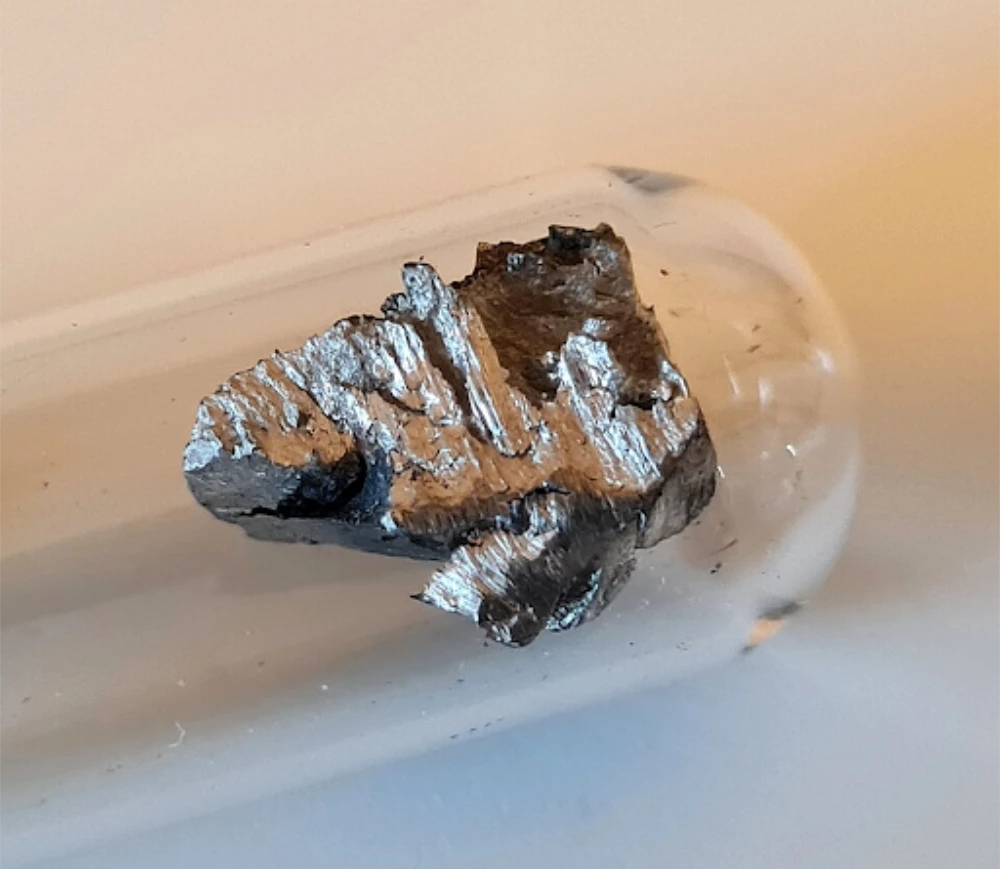
As primary supply faces growing constraints, the recovery of rare earth elements from secondary and unconventional sources has become essential.
Successful recovery depends on rigorous testing, representative sampling, and sound process development to ensure reliable and economic outcomes.
The Growing Need For Recovery Of Rare Earth Elements
The recovery of rare earth elements is becoming a strategic necessity as demand accelerates and supply risks intensify.
Rising Demand Across Key Industries
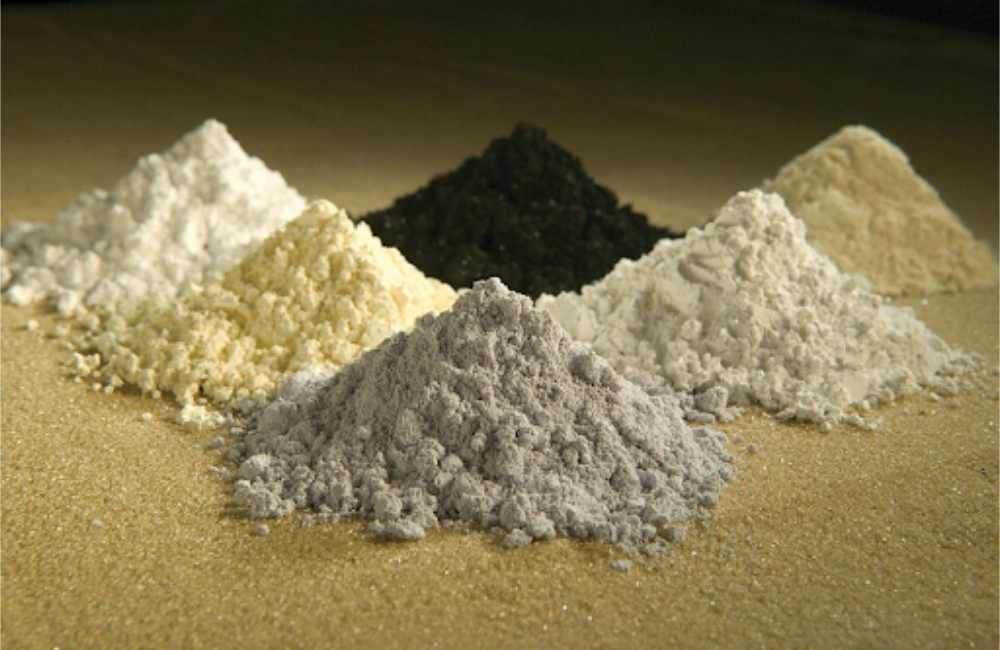
Rare earth elements (REEs) are indispensable in permanent magnets, rechargeable batteries, catalysts, and advanced electronics.
Electric vehicles, wind turbines, defense systems, and precision manufacturing are driving sustained growth.
As applications expand, manufacturers increasingly require consistent, high-purity materials that meet tight specifications.
Supply Chain Concentration And Geopolitical Risk
Global rare earth production remains concentrated in a limited number of regions. Trade restrictions, export controls, and geopolitical tensions can disrupt availability and pricing.
These risks push manufacturers and refiners to pursue diversified, domestic, and secondary sources.
Environmental And Regulatory Pressures
Primary mining faces increasing scrutiny due to land disturbance, waste generation, and water impacts. Permitting timelines and compliance costs continue to rise. Recovery from existing materials lowers environmental impact per unit of REE produced.
Economic Incentives For Recovery
Higher REE prices improve project economics for recovery initiatives. Materials once treated as waste can become valuable feedstocks. Recovery also reduces disposal costs and mitigates long-term environmental liabilities.
Role Of Recovery In A Circular Economy
Recovery keeps critical materials in productive use and reduces dependence on virgin extraction. It supports circular economy principles and aligns with corporate sustainability and ESG (Environmental, Social, and Governance) objectives while strengthening long-term supply resilience.
Secondary And Unconventional Sources For Rare Earth Element Recovery
The recovery of rare earth elements increasingly relies on secondary and unconventional sources that were historically overlooked.
Industrial Waste And Byproduct Streams
Spent catalysts from petroleum refining and chemical processing often contain recoverable concentrations of rare earth elements. Similarly, slags, dusts, and residues from smelting and metallurgical operations can host REEs in complex matrices.
Manufacturing processes may also generate off-spec or intermediate materials containing rare earths. With proper testing, these streams can be evaluated for recovery potential rather than disposal.
Manufacturing Scrap And Production Residues
Magnet manufacturing scrap represents a significant source of recoverable REEs due to its high-grade nature. Alloy trimming, machining residues, and rejected components can also contain valuable concentrations of rare earth elements.
Recovering REEs from production residues improves material efficiency while reducing raw material costs and waste volumes.
End-Of-Life Products And Post-Consumer Materials
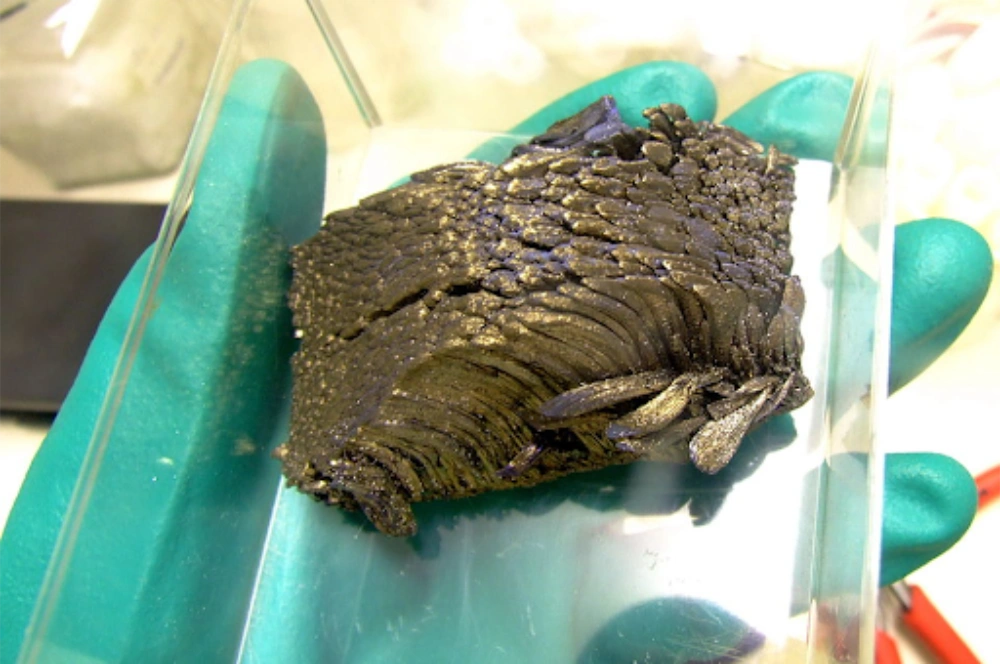
Electronic scrap, including hard drives, circuit boards, and display components, contains rare earth elements embedded in complex assemblies. End-of-life motors, generators, and wind turbines also represent growing recovery opportunities.
Battery components and renewable energy systems are becoming increasingly important sources as clean energy infrastructure reaches end-of-life.
Legacy Tailings And Stockpiled Materials
Historical tailings and stockpiled materials were often discarded due to low grades or limited processing capabilities. Advances in recovery technology and higher REE prices have renewed interest in these materials.
Modern testing and process development can reveal previously uneconomic opportunities for recovery from legacy sources.
Challenges With Variable Feedstock Quality
Secondary and unconventional feedstocks frequently exhibit inconsistent REE concentrations and complex mineralogy. Contaminants and matrix effects can complicate processing and analysis.
Thorough material characterization is essential to understanding variability, recovery potential, and processing requirements.
Technical Challenges In Rare Earth Element Recovery
The recovery of rare earth elements presents unique technical challenges that demand precise analytical data.
Low Concentrations And Complex Mineralogy
REEs often occur at trace or minor concentrations within complex mineral systems. They are frequently associated with base metals and other critical elements, complicating separation and recovery.
Understanding mineralogical associations is essential for selecting appropriate recovery strategies.
Interfering Elements And Impurities
Elements such as iron, aluminum, calcium, and silica commonly interfere with rare earth recovery. These impurities can impact leaching behavior, separation efficiency, and downstream refining.
Accurate quantification of both REEs and interfering elements is critical for effective process design.

Importance Of Representative Sampling
Sampling errors can significantly distort analytical results, particularly for heterogeneous materials. Small inaccuracies at the sampling stage often lead to major miscalculations in recovery estimates.
Proper sample size, preparation, and homogenization are essential for generating reliable data.
Selecting The Right Analytical Methods
Inductively coupled plasma (ICP) techniques provide sensitive detection of rare earth elements at trace levels. Wet chemistry methods offer confirmation and process control for complex matrices.
Fire assay may also be relevant where rare earth recovery intersects with precious metal content, supporting comprehensive material evaluation.
Scaling From Bench Testing To Commercial Recovery
Laboratory results must translate reliably to pilot-scale and commercial operations. Testing supports process optimization, recovery efficiency assessment, and yield prediction.
High-quality analytical data underpins financial modeling, feasibility studies, and investment decisions.
How Ledoux & Co. Supports Rare Earth Recovery Projects
The recovery of rare earth elements requires trusted, independent data to support technical and commercial decisions. At Ledoux & Co., we provide the analytical foundation needed to advance recovery projects with confidence.
Independent And Unbiased Metallurgical Testing
Ledoux & Co. has been a family-owned, independent laboratory serving the industry since 1880. Our objectivity ensures results are free from commercial bias or conflicting interests.
We are trusted by Fortune 500 companies, emerging technology developers, and small operators worldwide.
ISO 17025-Accredited Analytical Capabilities
Our laboratory operates under ISO 17025 accreditation, demonstrating internationally recognized technical competence. We use validated methods and NIST-traceable standards to ensure defensible results.
Clients rely on our repeatable data for regulatory, contractual, and financial applications.
Experience With Alternative And Secondary Feedstocks
We routinely test catalysts, electronic scrap, metallurgical residues, and unconventional concentrates. Each test program is customized based on material characteristics and project objectives.
Our experience supports feasibility assessments, process development, and recovery optimization.
Commercial-Grade Data For Decision-Making
Ledoux & Co. delivers analytical data suitable for contracts, settlements, and investment evaluation. Reliable results reduce uncertainty and improve confidence in recovery economics.
Our work supports informed decisions from early-stage evaluation through commercialization.
On-Site Representation And Risk Mitigation
We provide on-site oversight for sampling, weighing, and material handling when required. This minimizes loss, theft, and sampling bias while ensuring transparency throughout the recovery process.
Independent supervision strengthens data integrity and project accountability.
Key Takeaways
Secondary and unconventional sources offer increasing economic value for REEs. Accurate testing and material understanding are essential for successful recovery.
Partner with Ledoux & Co. to evaluate, optimize, and advance your recovery of rare earth elements projects with confidence.
FAQs
The recovery of rare earth elements raises technical, economic, and regulatory questions for many organizations.
1. What materials are best suited for rare earth recovery?
Materials with known REE content and manageable impurities are ideal. Testing determines whether recovery is technically and economically viable.
2. Are secondary sources economically competitive with mining?
In many cases, yes. Higher prices and avoided disposal costs can make recovery attractive.
3. Why use an independent laboratory for REE testing?
Independent labs like Ledoux & Co. provide unbiased, defensible data for critical decisions.


