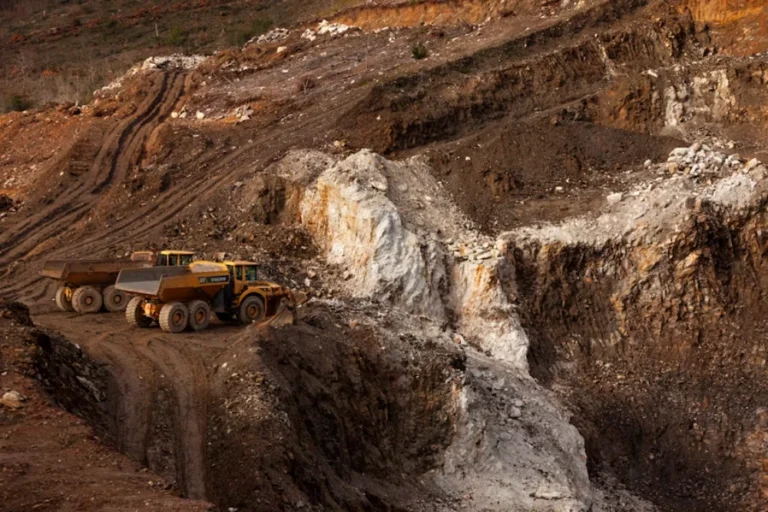

Some metals are so rare that they are worth more than gold. These precious metals are valued for their beauty, strength, and unique properties. They play a vital role in technology, jewelry, and manufacturing industries.
From the corrosion-resistant rhodium to the ultra-dense osmium, these rare elements shape our world surprisingly. Let’s explore the rarest precious metals on Earth, why they matter, and what makes them so valuable.
What Makes Precious Metals Rare and Expensive?
Precious metals are rare due to their limited natural supply, difficult extraction, and high demand. They are found in small amounts, and complex mining is required. Their scarcity and unique properties increase their value.
Several factors drive their high cost. Mining is expensive and time-consuming. Processing these metals requires advanced technology. Jewelry, technology, and medicine drive demand. Prices are affected by market changes and geopolitics.
Top 9 rarest precious metals on Earth
People value precious metals for their beauty, industrial applications, and rarity. Here are the nine rarest precious metals on Earth:
1. Rhodium
Rhodium holds the distinction of being the most valuable and one of the rarest precious metals in the world. It is a silvery-white, highly reflective member of the platinum group metals (PGMs), found almost exclusively in South Africa and Russia. Global production is extremely limited — roughly 30 tons per year — which makes its price exceptionally volatile and frequently higher than gold.
- Price: Extremely expensive, often more than gold.
- Why Rare/Expensive: Found in low amounts and hard to mine.
- Characteristics: Shiny and highly reflective.
- Where Found: Mostly in South Africa and Russia.
- Uses in automotive catalytic converters, where it helps reduce nitrogen oxide emissions. Its exceptional reflectivity also makes it valuable for mirrors, searchlights, and optical instruments. In jewelry, rhodium plating is applied to white gold and silver pieces to enhance shine and prevent tarnishing.
Need to verify the purity of a rare metal? Ledoux & Co. offers ISO 17025-accredited precious metals analysis trusted by Fortune 500 companies and family-owned businesses alike → Submit a Sample
2. Osmium
Osmium is the densest naturally occurring element on Earth, with a density of 22.59 g/cm³. This blue-gray metal is extremely hard and brittle, making it one of the most difficult precious metals to work with. It is found primarily in South Africa, North America, and Russia, often alongside platinum and iridium deposits.
- Price: High, but less than rhodium.
- Why Rare/Expensive: The densest metal, making extraction difficult.
- Characteristics: Tough, breakable, blue-gray.
- Where Found: South Africa, North America, Russia.
- Uses: Used in aerospace and to strengthen metal alloys.
Osmium is less widely traded than other PGMs, partly because of its toxic oxide form (osmium tetroxide) and partly because demand is concentrated in niche applications. For anyone handling osmium-bearing materials, professional lab testing using ICP or XRF analysis is critical for safe and accurate identification.
3. Iridium
Iridium is one of the most corrosion-resistant metals known to science. It does not react with acids, bases, or most chemicals — even at high temperatures — which makes it invaluable in demanding industrial environments. With a density of 22.56 g/cm³ and a melting point above 2,400°C, iridium is also one of the densest and most heat-resistant elements.
- Price: Expensive due to its rarity and durability.
- Why Rare/Expensive: Highly resistant to rust and heat.
- Characteristics: Very hard, dense, silver-white.
- Where Found: Mostly found in South Africa and Russia.
- Uses: Spark plugs, medical tools, aerospace equipment.
Even in extreme heat or harsh conditions, Iridium is hard to break down. It is used in space, medical implants, and scientific tools. Spark plugs and electronics also rely on it. Iridium traces in Earth’s rocks link to the asteroid that killed the dinosaurs.
If you’re working with iridium or suspect its presence in scrap materials, learn more about identification techniques in our detailed guide on how to test iridium metal.
4. Platinum
- Price: Expensive but more accessible than rhodium.
- Why Rare/Expensive: Difficult to extract and refine.
- Characteristics: Soft, rust-free, silver-white.
- Where Found: South Africa, Russia, Canada.
- Uses: Jewelry, car parts.
Platinum can stay bright for a long time without being tarnished, so it is highly valued in jewelry. It is also used in car catalytic converters to reduce pollution.
5. Palladium
Platinum is perhaps the most widely recognized of the rare precious metals. It is a soft, dense, silver-white metal that resists tarnishing and corrosion, which is why it has been prized in fine jewelry for centuries. Beyond jewelry, platinum plays a critical role in automotive catalytic converters, chemical processing, and medical devices.
- Price: Sometimes more expensive than gold.
- Why Rare/Expensive: Limited supply with high demand in tech and cars.
- Characteristics: Lightweight.
- Where Found: South Africa, Russia, Canada.
- Uses: Car catalytic converters, hydrogen storage, electronics.
The majority of the world’s platinum comes from South Africa, followed by Russia and Canada. Annual production is far lower than gold, which contributes to its premium pricing. Platinum’s catalytic properties make it essential for reducing vehicle emissions — a function that drives most of its industrial demand.
For recyclers and scrap dealers, platinum is commonly found in spent catalytic converters, laboratory equipment, dental alloys, and electronic components. Accurate assaying is essential to determine value before selling. Explore our guide on where to find platinum scrap (link to: /precious-metals-analysis/where-to-find-platinum-scrap/) for detailed sourcing information.

6. Gold
Gold has been the universal symbol of wealth and value for thousands of years. Its warm yellow color, resistance to tarnishing, and exceptional malleability make it ideal for jewelry, coinage, and decorative applications. But gold’s importance extends well beyond aesthetics.
- Price: Always valuable due to its historical and financial importance.
- Why Rare/Expensive: Limited supply and used in many industries.
- Characteristics: Soft, easy to shape, yellow color.
- Where Found: South Africa, China, Australia.
- Uses: Jewelry, investments, electronics.
7. Silver
Silver is the best electrical and thermal conductor of all metals, which makes it indispensable in modern technology. It is used in solar panels, electronic circuits, medical equipment, and antibacterial coatings. Its high reflectivity also makes it essential for mirrors and optical instruments. Major producers include Mexico, Peru, and China. While less rare than gold, silver’s expanding industrial applications — particularly in renewable energy — continue to drive demand.
- Price: Cheaper than gold but still highly valued.
- Why Rare: Widely used in technology and jewelry.
- Characteristics: Bright, shiny, conductor of electricity
- Where Found: Mexico, Peru, China.
- Uses: Jewelry, electronics, solar panels.
8. Ruthenium
Ruthenium is one of the lesser-known platinum group metals, but its industrial significance is growing. It is used to harden platinum and palladium alloys, in the production of superalloys for jet turbines, and increasingly in electronics as a material for next-generation memory chips and thick-film resistors. Ruthenium’s resistance to corrosion and its catalytic properties also make it valuable in chemical manufacturing.
- Price: Expensive but less than platinum.
- Why Rare/Expensive: Found in small amounts and used in high-tech applications.
- Characteristics: Hard, resists corrosion.
- Where Found: Russia, South Africa, Canada.
- Uses: Electronics, chemical catalysts, jewelry alloys
Rhenium is among the rarest elements in the Earth’s crust and one of the last naturally occurring elements to be discovered. It has the second-highest melting point of any element (after tungsten) and exceptional resistance to heat and wear. Rhenium is primarily used in superalloys for jet engine turbine blades and as a catalyst in petroleum refining. Most of the world’s rhenium is produced as a byproduct of molybdenum mining in Chile and the United States.
9. Tellurium
- Price: Moderate but valuable for its unique uses.
- Why Rare/Expensive: Mainly a byproduct of mining other metals.
- Characteristics: Brittle, metallic, semi-conductive.
- Where Found: China, US, Canada.
- Uses: Solar panels, thermoelectric devices.
Tellurium is not well known compared to other metals. However, it is valuable for green energy. It boosts solar panels and helps turn heat into electricity. Most sources extract it as a byproduct of refining other metals.
Understanding the value of precious metals relies on accurate analysis. Ledoux & Company offers top-tier precious metals analysis and certification with ISO 17025 accreditation. Investors and manufacturers rely on precise results for confident decisions.
For those interested in recycling metals to earn a profit, explore The Best Precious Metals to Scrap for Money.
How Are Rare Precious Metals Tested?
Identifying and verifying rare precious metals requires advanced laboratory techniques. Visual inspection alone is never sufficient — many rare metals look similar to one another, and purity levels can vary dramatically even within the same batch of material. Here are the primary testing methods used by professional laboratories:
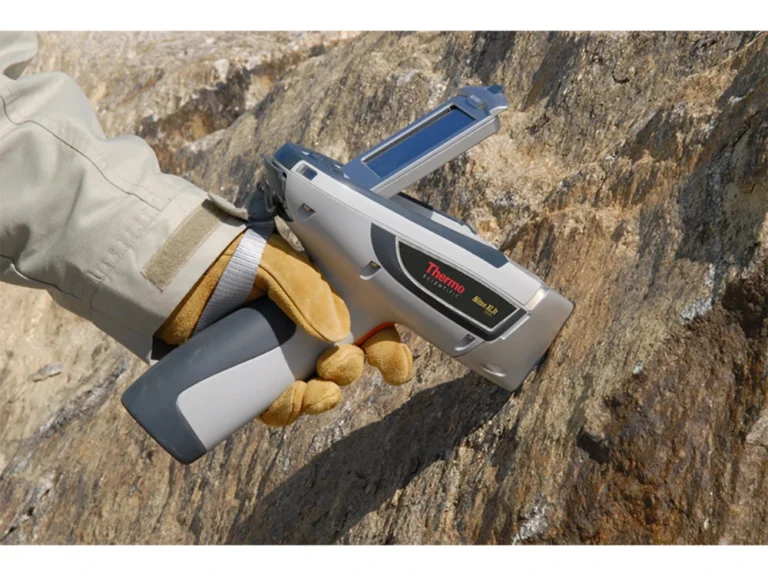
- X-ray fluorescence (XRF) is a non-destructive technique that identifies the elemental composition of a sample by measuring the X-rays emitted when the material is exposed to high-energy radiation. XRF provides fast, accurate results and is commonly used as a first-pass screening tool for precious metals in scrap, jewelry, and industrial materials.
- Fire assay is the gold standard for quantifying gold and silver content. This method involves melting a sample with lead-based fluxes, separating the precious metals from base materials, and weighing the result. It is the most trusted method in the refining industry for settlement-grade analysis.
- Inductively coupled plasma optical emission spectrometry (ICP-OES) detects trace-level concentrations of virtually any element, including all platinum group metals. ICP is essential for analyzing complex materials like catalytic converter scrap, electronic waste, and mixed-metal alloys where multiple elements must be quantified simultaneously.
- Wet chemistry methods involve dissolving samples in acid solutions and using selective precipitation or titration to isolate and measure specific metals. This approach is particularly effective for complex matrices that challenge other methods.
At Ledoux & Co., we use all of these techniques under ISO 17025 accreditation to deliver precise, reliable results for precious metals of every type. Whether you’re analyzing rhodium in catalytic converter scrap or verifying iridium content in aerospace components, our laboratory provides the accuracy you need to make confident decisions.
→ Contact us for a quote or submit your sample today.
Factors That Influence Precious Metal Prices
The value of precious metals depends on several key factors:
- Mining production & supply: Limited extraction and mine depletion affect prices.
- Industrial demand & innovation: Their value rises with more use in technology, medicine, and manufacturing.
- Economic & geopolitical trends: Market fluctuations are caused by inflation, trade policies, and global stability.
Ledoux: Your Trusted Assay Partner for All Precious Metals
Technology, jewelry, and manufacturing rely on these rarest precious metals. Their high value comes from scarcity. Therefore, the supply is low, but demand is high, which drives the price up. Whether for investment, research, or exploration, learning about these metals is exciting!
Need expert metal analysis? Ledoux & Company offers reliable testing with decades of experience. Contact us today!
FAQs about Rarest Precious Metals
- What is the rarest metal on Earth?
Rhodium is widely considered the rarest precious metal on Earth. It is extremely scarce in the Earth’s crust, found primarily in South Africa and Russia. Rhodium’s limited supply and strong industrial demand — especially for automotive catalytic converters — make it one of the most expensive metals, often exceeding the price of gold.
2. Is rhodium more valuable than gold?
Yes, rhodium is typically more valuable than gold. Its price has historically traded at several times the price of gold due to its extreme rarity and critical role in automotive emission control systems. However, rhodium prices are more volatile because of its thin trading market and concentrated supply.
3. What precious metals are used in catalytic converters?
Catalytic converters primarily use three platinum group metals (PGMs): platinum, palladium, and rhodium. These metals act as catalysts that convert harmful exhaust gases into less toxic substances. The exact composition varies by vehicle type and manufacturer.
4. How are rare precious metals tested for purity?
Rare precious metals are tested using several methods: X-ray fluorescence (XRF) for non-destructive surface analysis, fire assay for gold and silver quantification, inductively coupled plasma (ICP-OES) for trace-level detection, and wet chemistry for complex materials. ISO 17025-accredited laboratories like Ledoux & Co. use these techniques to ensure accurate results.
5. Is iridium rarer than platinum?
Yes, iridium is significantly rarer than platinum. Iridium occurs at much lower concentrations in the Earth’s crust and is produced in smaller quantities globally. Both metals are primarily mined in South Africa as byproducts of nickel and platinum operations.
6. Where is osmium found?
Osmium is found primarily in South Africa, North America, and Russia, typically occurring alongside platinum and iridium in mineral deposits. It is obtained as a byproduct of nickel and platinum refining.