

How to identify aluminum accurately is crucial for determining value and ensuring quality in manufacturing and recycling industries.
This article covers identification methods ranging from simple visual checks to advanced laboratory techniques to help you distinguish aluminum from other metals.
Visual and Physical Identification Methods for Aluminum
Visual and physical identification methods for aluminum rely on observing its distinct appearance and testing its unique physical properties.
Visual Inspection Methods
Aluminum exhibits a silvery-white or light gray color with a slight bluish or matte tint, appearing less reflective than polished stainless steel. Over time, aluminum develops a dull, whitish-gray, or chalky film through oxidation, unlike iron which forms red rust.
Surface textures vary between manufacturing processes – extruded aluminum shows fine linear draw marks, while cast components display a slightly rougher, granular appearance.
These visual characteristics provide the first clues in how to identify aluminum before proceeding to more definitive tests.

Physical and Mechanical Testing
Physical tests provide quick identification through aluminum’s distinctive properties:
- Magnet Test: Aluminum is non-ferrous and will not attract a standard magnet, immediately distinguishing it from steel and iron-based alloys.
- Weight/Density: Aluminum is notably lightweight (density ~2.7 g/cm³), weighing approximately one-third as much as steel or copper components of identical size, providing a strong initial indicator.
- Scratch/File Test: Aluminum is soft under a metal file or knife tip, yielding a deep, bright silver groove with easy metal removal, unlike harder metals.
- Spark Test: When ground against a grinding wheel, aluminum produces virtually no bright sparks, contrasting sharply with the spark patterns of iron, steel, and some other metals.
Wet Chemistry and Qualitative Tests for Aluminum Identification
Wet chemistry and qualitative tests for aluminum identification involve specific chemical reactions that produce distinctive visual changes when aluminum is present.
Chemical testing offers definitive identification through these reactions:
- Ammonia Test: Adding ammonium hydroxide to a solution containing aluminum ions produces a characteristic white, gelatinous precipitate of aluminum hydroxide that remains insoluble in excess ammonia, distinguishing aluminum from many other metal ions.
- Sodium Hydroxide Test: Dropwise addition of NaOH forms a white precipitate that completely dissolves in excess reagent, yielding a clear solution of sodium aluminate, a unique property of aluminum.
- Lake Test: This confirmatory dye test involves aluminum hydroxide absorbing an organic dye (like litmus or alizarin) to form an insoluble, floating colored absorption complex known as a “lake,” providing visual confirmation.
- Acid Reactivity: Dilute hydrochloric acid reacts with metallic aluminum to produce visible bubbling and hydrogen gas, helping distinguish it from unreactive or differently reacting metals.

Laboratory Instrumentation for Precise Aluminum Identification
Laboratory instrumentation for precise aluminum identification employs advanced analytical technologies to determine elemental composition and structural properties with high accuracy.
Core Elemental Analysis Instruments
Modern laboratories utilize specialized equipment for definitive aluminum identification:
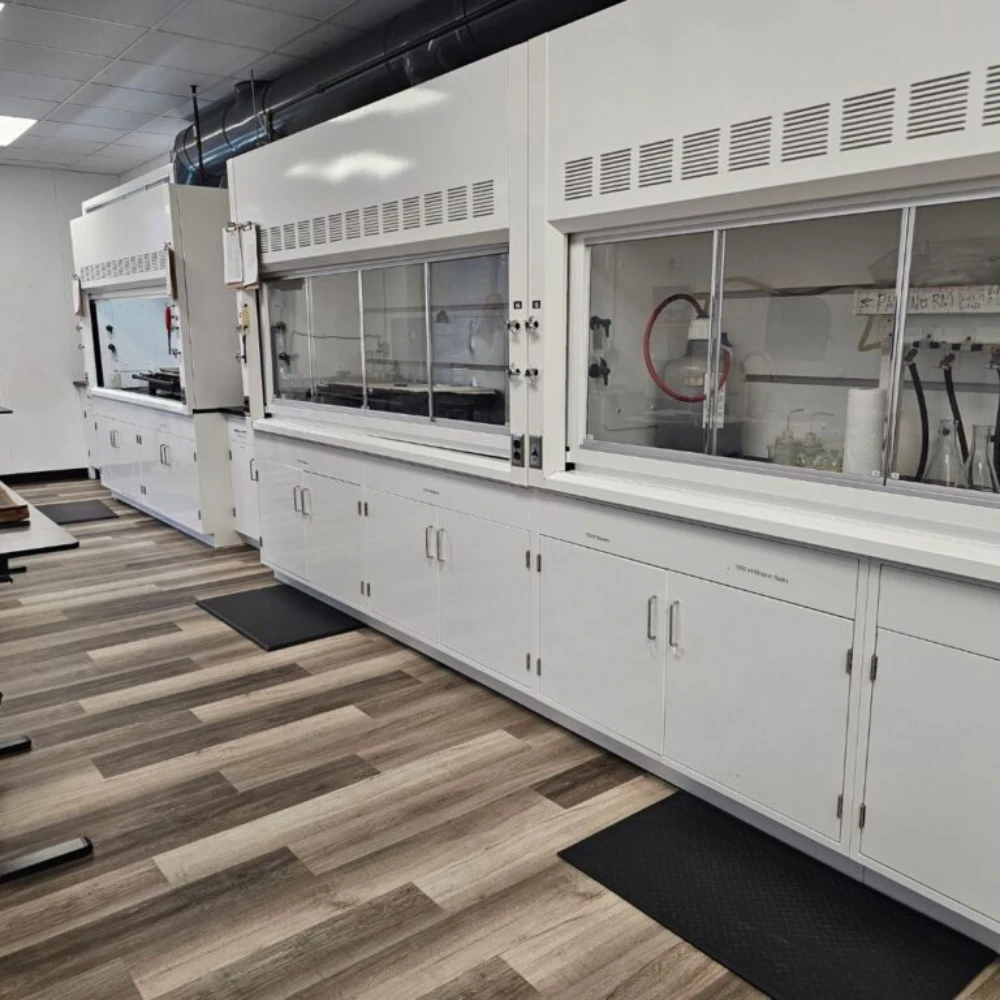
- Optical Emission Spectrometer (OES): Serves as the primary benchmark for stationary lab analysis, using spark discharge to rapidly quantify over 35 elements, including light elements like magnesium, lithium, and beryllium, providing the most accurate alloy identification.
- X-Ray Fluorescence (XRF) Analyzer: Provides non-destructive surface and bulk elemental screening, highly effective for sorting alloy series when equipped with specialized light-element detection beams, allowing rapid field identification.
- Hydrogen Analyzer: Extracts and measures dissolved hydrogen gas within liquid or solid aluminum samples to forecast structural porosity risks, essential for quality control in aluminum manufacturing.
Microstructural and Mechanical Testing
Beyond composition analysis, advanced testing methods evaluate aluminum’s structural integrity:
- Metallurgical Microscope: Evaluates grain size, micro-defects, precipitate distribution, and inclusion content via polished cross-section imaging, revealing heat treatment quality and potential failure points.
- Universal Testing Machine (UTM): Performs destructive mechanical stress tests to confirm ultimate tensile strength and yield parameters, validating that material meets specific alloy specifications.
- Eddy Current & Ultrasonic Detectors: Identifies sub-surface cracks, internal voids, and surface irregularities without harming the component, essential for safety-critical applications.
Distinguishing Aluminum from Similar Metals
Distinguishing aluminum from similar metals requires comparing specific characteristics like weight, appearance, and reactivity to tests.
Understanding how aluminum differs from similar metals is essential for accurate identification:
| Metal | Weight and Density | Color and Appearance | Key Tests to Tell Them Apart |
| Aluminum | Very light and soft, but heavier than magnesium | Matte, cool gray, less reflective, often showing fine parallel grain lines or a dull finish | Non-magnetic, scratches easily, no sparks on grinding wheel |
| Magnesium | Extremely light, even lighter than aluminum | Dull silver-gray, often coated with a rough protective layer | Non-magnetic, scratches easily, shavings catch fire with bright white flame |
| Titanium | Medium to heavy; feels much heavier than aluminum for its size, with high strength-to-weight ratio | Darker gray with a slight brownish or metallic matte tone | Non-magnetic, very hard and resists scratching, does not easily ignite |
| Zinc | Medium weight, denser and heavier than aluminum; more brittle | Bright, bluish-gray or dull-gray finish | Non-magnetic, harder than aluminum, does not easily ignite |
| Tin | Medium weight, denser and heavier than aluminum; soft and pliable | Bright silver with a slight yellowish or soft gray hue | Non-magnetic, very soft and scratches easily, does not easily ignite |
| Stainless Steel | Extremely heavy and solid compared to light non-ferrous metals | Bright, shiny mirror finish that reflects light cleanly | Most varieties have strong magnetic pull, very hard and resists scratching |
Comprehensive Aluminum Testing Solutions from Ledoux
Ledoux & Co.’s aluminum testing capabilities encompass the full spectrum of material forms and analytical requirements:
- ISO 17025-accredited laboratory providing precise aluminum content determination
- Specialized testing for aluminum in various forms: ingots, scrap, alloys, and finished products
- NIST-traceable standards ensuring accuracy in aluminum content determination
- Custom testing protocols designed for specific industrial applications
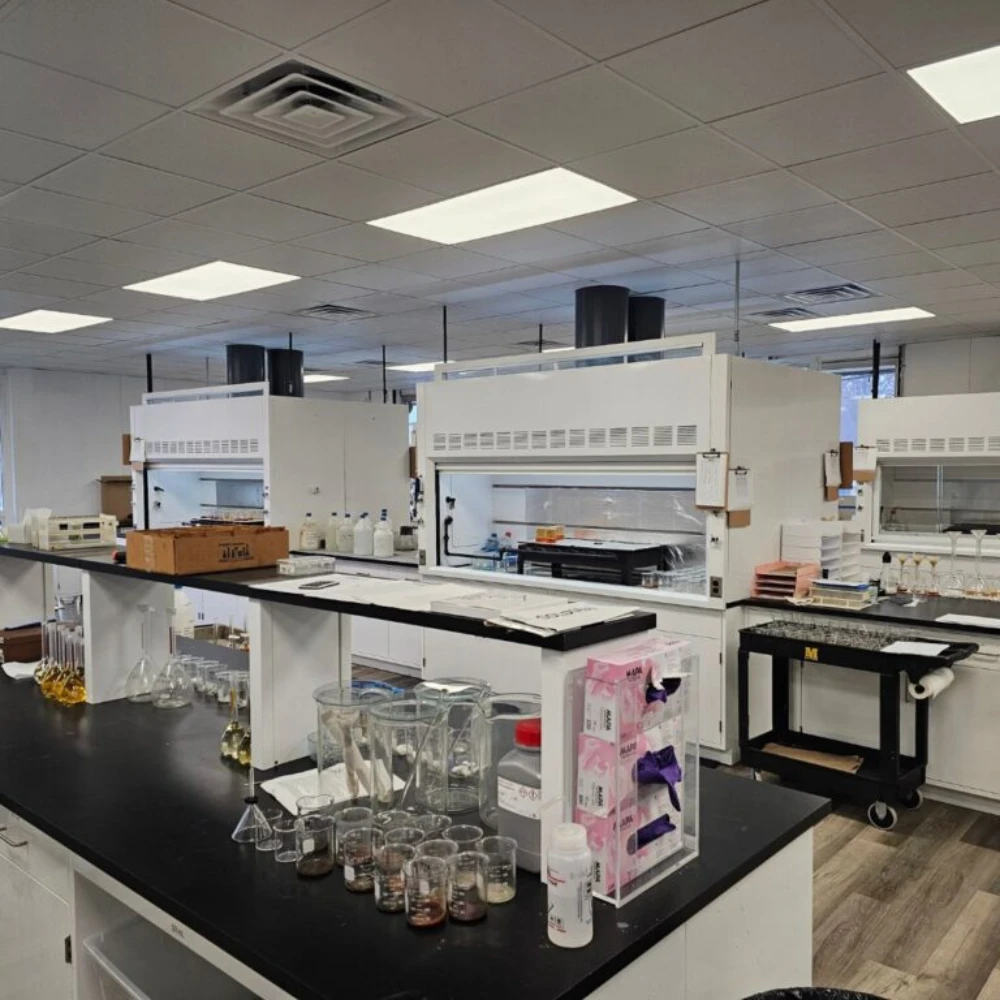
We understand that in competitive markets, speed matters. That is why we deliver fast turnaround times without compromising accuracy, giving you the data you need to make confident decisions.
Our 145+ years of experience in metallurgical testing ensures reliable results, whether you are verifying incoming scrap lots or validating finished product specifications.
Besides, our LBMA/LPM affiliate membership demonstrates our industry credibility and connects us to a global network of precious metal analysis professionals who hold us to the highest standards.
Key Takeaways
How to identify aluminum techniques range from simple visual inspections to sophisticated laboratory analysis, with method selection based on specific industry needs and financial impacts.

Accurate aluminum identification impacts both quality control outcomes and financial returns. The methods covered in this article span from simple visual checks to advanced laboratory analysis, with the appropriate selection depending on your specific needs and resources.
For the highest level of precision and reliability in aluminum identification, partner with Ledoux & Co. for our accurate, ISO 17025-accredited aluminum testing services.


