Why is platinum used in catalytic converters? It is essential because it effectively converts toxic pollutants into harmless gases while withstanding extreme exhaust heat.
As a critical Platinum Group Metal (PGM), it ensures environmental compliance. For recyclers and manufacturers, understanding its role is vital for accurate valuation.
Converters are just one application — explore the wider range of platinum industrial uses across modern manufacturing.
The Chemical Properties That Make Platinum Indispensable
Why is platinum used in catalytic converters? Platinum is the industry standard due to its unique ability to accelerate chemical reactions without degrading in harsh exhaust environments. Its specific chemical profile ensures longevity and efficiency where other metals would fail.
- Exceptional Catalytic Activity: Platinum acts as a true catalyst, speeding up reactions without being consumed. It efficiently converts harmful carbon monoxide (CO) and nitrogen oxides (NOx) into carbon dioxide (CO2), nitrogen (N2), and water vapor.
- High Resistance to Corrosion and Heat: Unlike base metals, platinum remains chemically inert under high temperatures. It resists oxidation and corrosion, ensuring the converter lasts the vehicle’s life.
- Oxygen Transfer: Platinum adsorbs oxygen molecules, weakening their bonds to facilitate reactions with other substances. This capability is crucial for effective oxidation.
If you’re recovering scrap, it helps to know how much platinum is inside a catalytic converter before you estimate its value.
How Platinum Functions Inside a Catalytic Converter
Platinum operates within a three-way catalyst to facilitate both reduction and oxidation phases. This process chemically transforms toxic emissions into breathable air components.
During the Reduction Phase, platinum works alongside rhodium to convert nitrogen oxides (NOx) into harmless nitrogen (N2) and oxygen (O2). This step is critical for reducing smog-causing emissions.
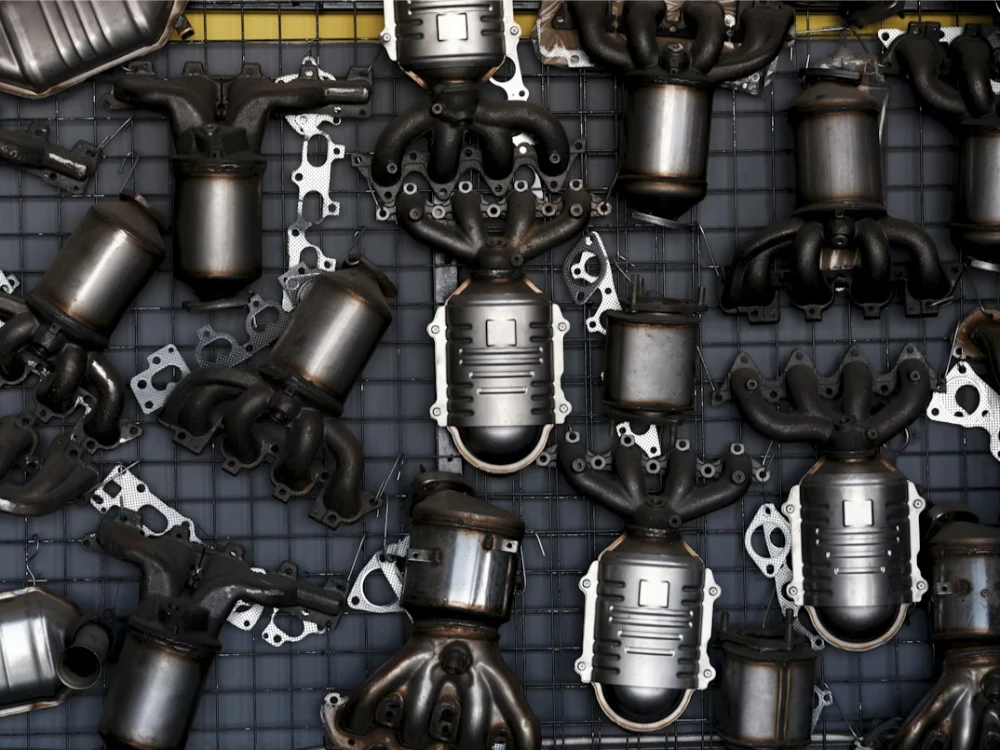
In the Oxidation Phase, platinum catalyzes the conversion of carbon monoxide (CO) into carbon dioxide (CO2) and unburnt hydrocarbons into water vapor.
To maximize efficiency, manufacturers apply platinum as a thin wash coat over a ceramic honeycomb monolith. This design maximizes surface area, allowing a small amount of metal to treat large volumes of exhaust gas effectively.
Why Platinum is Often Chosen Over Other PGMs
Platinum is often chosen over other PGMs because of its superior performance in diesel engines and its ability to balance cost with technical efficiency. The choice between platinum, palladium, and rhodium depends on engine type and market pricing.
- Platinum vs. Palladium: Platinum performs better in diesel engines, which run cooler and leaner. Palladium is typically preferred for gasoline engines. This distinction is vital for recyclers sorting materials.
- The Role of Rhodium: While rhodium is the most effective for NOx reduction, it is rare and costly. Platinum is used alongside it to balance performance and expense.
- Market Volatility: Manufacturers may substitute metals based on price, but platinum remains the standard for heavy-duty diesel applications due to its stability.
Recyclers often ask where to find platinum scrap once they see how widely it’s used.
The Economic Value of Platinum in Spent Catalysts
Understanding platinum’s function is foundational, but the economic implications of its recovery drive the recycling industry. The metal’s concentration represents a tangible asset requiring precise quantification.
Platinum Loading in Different Catalyst Types
The term “loading” refers to the amount of precious metal contained within a converter, and it varies significantly by vehicle type.
- Loading Amounts: Standard gasoline cars typically contain 2 to 7 grams of platinum group metals, while trucks and heavy-duty vehicles often have higher loadings to handle greater emission volumes.
- Value Concentration: Because platinum is a precious metal, even a small converter can contain hundreds or even thousands of dollars’ worth of value. This high value concentration makes the exact determination of loading critical for fair trade. A slight variance in estimated grams can result in a substantial financial swing.
Why Sampling Errors Can Lead to Massive Financial Loss
Catalyst material is often inconsistent; a single grab sample might not represent the whole lot due to the uneven distribution of the wash coat. This heterogeneity introduces risk.
An error in sampling can lead to undervaluing or overvaluing a shipment by thousands of dollars.
When dealing with high-value assets like platinum, disputes between buyers and sellers often arise from non-representative sampling methods rather than the actual market price of the metal.
The Urban Mining Potential of Platinum
Recycling spent catalysts, often referred to as “urban mining,” supplies a significant portion of the global platinum demand, reducing reliance on traditional mining.
- Supply Security: Urban mining stabilizes the supply chain by reintroducing processed platinum back into the market, mitigating the geopolitical risks associated with primary mining operations.
- Environmental Incentive: Recycling platinum is far less energy-intensive than mining virgin ore. This energy savings adds a “green” premium to the business case, aligning economic incentives with environmental stewardship.
How Ledoux & Co. Ensures Accurate Platinum Analysis
Industries rely on Ledoux & Co. to navigate the complexities of platinum valuation through precise analysis and accredited testing. We understand that accuracy is synonymous with financial security.
Our Services and Accreditation
Ledoux & Co. provides specialized catalyst testing services for Spent Automotive, Spent Industrial, and Fresh Catalysts. We determine the precise precious metal content to facilitate smooth commercial transactions.
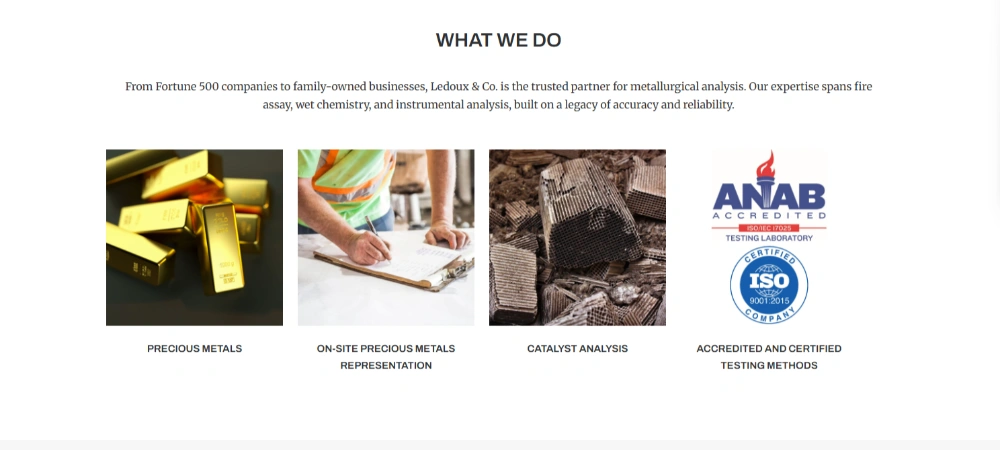
Our laboratory is ISO 17025 accredited and ISO 9001:2015 certified. This confirms that we meet the highest standards of technical competence. Our results are accepted globally for financial transactions.
Furthermore, we are an affiliate member of the LBMA/LPM, reinforcing our credibility and adherence to strict industry standards.
On-Site Representation
For large lots, we offer on-site weighing and sampling services. We act as your “eyes and ears” to mitigate risk during the initial processing phases. Our representatives ensure that the samples taken are truly representative of the lot, protecting your interests from the point of origin to the final assay.
Key Takeaways
Why is platinum used in catalytic converters? Platinum remains a cornerstone of automotive emission control due to its unmatched chemical stability and catalytic efficiency. For industries handling these materials, understanding its role is the first step; accurate analysis is the next.
Partner with Ledoux & Co. for precise valuation of your precious metal assets using our ISO 17025 accredited methods.
FAQs
Here are common questions regarding “why is platinum used in catalytic converters?” and its industry implications.
1. Can a car run without a catalytic converter?
Technically, a car can run without a converter, but it is illegal in most jurisdictions due to emission laws. Additionally, the absence of the converter creates significant noise and releases toxic pollutants into the environment.
2. Does platinum wear out in a catalytic converter?
Platinum itself does not get consumed during the chemical reaction, but it can degrade physically over time. High mileage, engine misfires, or contamination from oil or coolant can coat or damage the platinum surface, reducing its efficiency.
3. Is platinum better than palladium for all converters?
No, platinum is generally preferred for diesel engines due to its stability at lower temperatures, while palladium is often used in gasoline engines. The choice depends on the engine’s operating conditions and current market prices.
4. How is platinum recovered from spent catalysts?
Recovery typically involves a process called “decanning,” followed by crushing the ceramic monolith and treating it with chemical processes like pyrometallurgy or hydrometallurgy. These methods extract the precious metals for refining and reuse.
5. Why do catalytic converters get stolen?
Converters are stolen because they contain valuable precious metals like platinum, palladium, and rhodium. Thieves can quickly remove them from vehicles and sell them to recyclers for a high scrap value.
6. What is the difference between a two-way and three-way converter?
A two-way converter only handles oxidation, converting CO to CO2 and hydrocarbons to water. A three-way converter, which uses platinum, adds a reduction step to convert NOx into nitrogen and oxygen, providing broader emission control.