In modern manufacturing and technology, copper is an indispensable material. From powering our homes through electrical systems to ensuring clean water delivery via plumbing networks, copper’s versatility is unmatched. Given its widespread applications, confirming copper purity becomes essential for optimal performance and longevity.
This article will present 6 reliable methods and address the question “How to tell if something is real copper?”, from simple DIY approaches to sophisticated laboratory analysis.
Why Identifying Real Copper Matters?
The authenticity of copper dramatically influences its performance in numerous sectors. Conducting a copper quality test helps ensure that the material meets the purity standards required for optimal function across these critical applications:
- Electrical Applications: Nothing matches copper’s ability to conduct electricity efficiently. Minor contaminants can severely impact its conductivity, leading to increased power consumption and potential system inefficiencies.
- Plumbing Systems: Genuine copper brings natural antimicrobial properties to plumbing installations. Its corrosion resistance ensures system durability while maintaining water quality standards across varying pressure and temperature conditions.
- Industrial Processing: Manufacturing excellence depends on precise copper grades. Even slight impurities can compromise welding integrity, affect mechanical characteristics, and diminish overall product reliability.
- Investment Value: In the metals market, pure copper commands premium prices. Authentication capabilities protect investments by ensuring fair market valuations.
- Environmental Impact: Pure copper facilitates superior recycling outcomes. Higher purity levels streamline the recycling process and support sustainable manufacturing practices. Once you know where to find copper scrap, the next step is verifying its purity before you sell.
A frequent question from manufacturers is Is copper wire a pure substance — and testing is the only way to be sure.
How To Test Pure Copper: Top 6 Methods
Wondering how to tell if something is real copper? This guide covers the top 6 ways to perform a test for copper – from visual checks to advanced techniques – ensuring authenticity with confidence.
1. Visual Test
Visual inspection is the most accessible starting point for any copper purity test. Pure copper has a distinctive reddish-orange color that remains consistent across the entire surface of the material. When freshly cut or polished, copper displays a warm, salmon-pink tone that gradually transitions to the familiar reddish-orange as it’s exposed to air.
When examining a sample, look for uniform coloration throughout — genuine copper should not show patches of different colors, which could indicate plating or alloy composition. Pay particular attention to edges and cut surfaces where the interior metal is visible. Over time, authentic copper develops a characteristic greenish-blue patina (copper oxide) when exposed to moisture and air. This natural aging process is one of the most recognizable signs of real copper and is difficult to replicate on non-copper materials.
Be cautious of items that show signs of flaking, peeling, or uneven wear patterns at the surface. These are common indicators of copper plating over a base metal rather than solid copper. While visual inspection provides useful preliminary information, it cannot determine exact purity levels — a sample that looks like pure copper could still be a high-copper alloy with impurities that affect conductivity and value.
2. Physical Properties Test
Physical property testing goes deeper than appearance by examining copper’s measurable characteristics. There are three key areas to evaluate: density, electrical conductivity, and magnetic behavior.
Pure copper has a specific gravity of 8.96 g/cm³. To test this, weigh the sample in grams, then submerge it in a graduated cylinder filled with water and record the volume displacement. Dividing mass by volume should yield a result close to 8.96 if the material is genuine copper. Significant deviations indicate alloying or a different metal entirely.
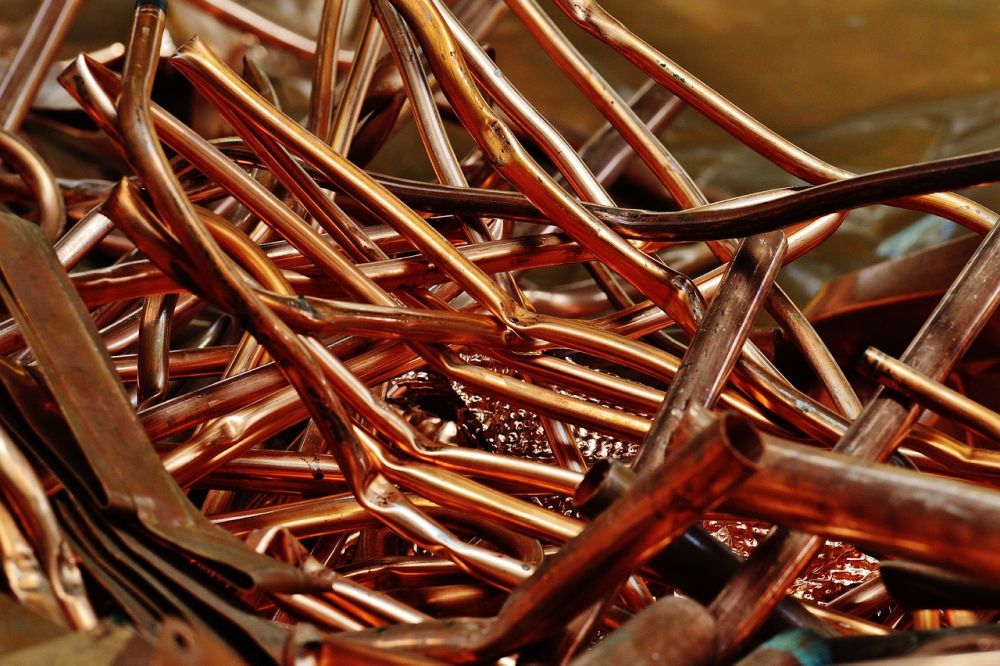
Electrical conductivity is another definitive indicator. Copper has the second-highest electrical conductivity of any element (after silver), and even small amounts of contamination can measurably reduce it. Using a calibrated multimeter, measure the resistance of the sample and compare it to the known value for pure copper: 1.68 × 10⁻⁸ ohm-meters at 20°C. Higher resistance readings suggest the presence of impurities.
Pure copper is non-magnetic. Testing with a strong neodymium magnet can quickly rule out ferrous metals or iron-containing alloys. If the sample is attracted to the magnet, it is not pure copper. However, the absence of magnetic response alone is not conclusive — many non-ferrous metals share this property.
For industrial buyers, manufacturers, and traders, these physical property tests provide useful screening information but cannot replace professional laboratory analysis when precise purity verification is required.
3. Specialized Physical Tests
Magnetism Assessment:
- Use a strong neodymium magnet for testing
- Pure copper shows no magnetic attraction
- Test multiple areas of the sample
- Compare with known pure samples
- Document any magnetic responses
Oxidation Verification:
- Clean the surface thoroughly before testing
- Observe natural oxidation patterns
- Monitor color changes over time
- Compare with verified samples
- Record oxidation progression
Acoustic Testing:
- Strike sample with non-damaging implement
- Listen for a characteristic dull sound
- Compare with known pure samples
- Note any unusual resonances
- Document sound characteristics
Surface Examination:
- Feel for a smooth, waxy texture
- Check for consistent surface quality
- Identify any irregular areas
- Compare with verified samples
- Record surface characteristics
4. Resistance Test
Electrical resistance testing offers a quantitative approach to copper verification:
- Use a calibrated multimeter for resistance measurements
- Ensure proper contact and connection points
- Take multiple readings across different areas
- Compare results with standard values (1.68 × 10⁻⁸ ohm-meters)
- Account for temperature effects on readings
- Document all test conditions and results
- Verify equipment calibration before testing
- Consider environmental factors affecting measurements
5. Acid Test
Chemical verification through nitric acid testing requires careful handling and should only be performed by trained professionals. This test involves several critical steps:
- Clean the test surface thoroughly
- Apply a single drop of nitric acid
- Observe the immediate color reaction
- Watch for blue-green color development
- Time the reaction progression
- Compare with known pure samples
Caution: This test involves hazardous chemicals and should not be attempted at home or as a DIY project. Always follow strict safety protocols, use proper protective equipment, and ensure adequate ventilation.
Documenting the reaction characteristics is crucial for accurate analysis. For safety and precision, seek professional testing services.
6. Laboratory Testing with an ISO 17025 Accredited Lab
If you’re leveraging copper for investment or manufacturing purposes and need a reliable partner to test its quality, a professional laboratory equipped with ISO 17025 accreditation is the perfect choice for a safe, time-saving, and accurate analysis you can trust. ISO 17025 accredited laboratories offer:
Advanced Testing Methods:
- Precision spectrometry analysis
- XRF spectroscopy
- Chemical composition testing
- Metallographic examination
- Electron microscopy analysis
Quality Assurance:
- Globally recognized standards
- Calibrated equipment and procedures
- Comprehensive documentation
- Traceable results
- Professional certification
Applications:
- Industrial quality control
- Research and development
- Regulatory compliance
- Investment verification
- Manufacturing process control
Copper Concentrates Testing
Ledoux & Co offers specialized copper concentrates testing through our ISO 17025 accredited facility, ensuring precise and reliable results. We provide comprehensive metallurgical analysis, including elemental analysis, moisture content determination, particle size distribution, impurity profiling, and grade certification. Our advanced testing methodologies are complemented by expert interpretation and detailed certification reports.
With rapid turnaround options, we are committed to delivering high-quality, accurate results to meet your specific testing needs. The ISO 17025 accreditation guarantees that our laboratory meets the highest standards for technical competence and reliability, giving you confidence in the accuracy and validity of our tests.
When to Use Professional Lab Testing
Home and field tests are valuable for preliminary screening, but they have clear limitations. Visual checks can’t detect internal contamination. Density measurements depend on sample geometry. Conductivity tests require calibrated equipment and controlled conditions. And acid tests involve hazardous chemicals that demand proper training and safety protocols.
For any situation where copper purity directly affects financial value, product performance, or regulatory compliance, professional laboratory testing is essential. Here’s when you should turn to a certified lab:
Commercial transactions where copper is bought or sold based on purity grade require independent, certified analysis to prevent disputes and ensure fair pricing. A difference of even 0.5% in purity can translate to significant dollar amounts in bulk copper shipments.
Manufacturing quality control for electrical wire, plumbing components, or industrial parts demands verified purity to meet performance specifications. Using under-grade copper in electrical wiring, for example, can lead to increased resistance, energy loss, and safety hazards.
Recycled copper assessment requires lab testing to determine the grade and value of scrap material before selling to refiners. Clean, verified copper commands significantly higher prices than ungraded material.
Regulatory compliance in certain industries requires documented proof of material composition from an accredited testing facility.
At Ledoux & Co., our ISO 17025-accredited laboratory provides comprehensive copper purity testing using ICP-OES, XRF, and wet chemistry methods. We deliver precise elemental analysis with detailed certification reports that are recognized by refiners, manufacturers, and trading partners worldwide.
→ For commercial-grade purity verification, request a quote from Ledoux & Co. or submit your copper sample today.
Expert Metallurgical Analysis with Ledoux
Ledoux & Co brings over a century of expertise to copper testing. With an ISO 17025-accredited lab, we offer thorough purity verification and state-of-the-art testing capabilities.
Our team provides expert metallurgical consultation, ensuring accurate and reliable results. We deliver comprehensive analysis certificates and rapid results, all while maintaining competitive service rates.
Whether you need detailed purity assessments or specialized testing, Ledoux & Co offers the experience and advanced technology to meet your copper testing needs efficiently and affordably. Trust us for precise, fast, and cost-effective solutions.
Conclusion
Verifying copper purity can be simple. While simple tests provide useful initial guidance, professional laboratory analysis remains the ultimate standard for conclusive results. Choose your testing approach based on specific requirements, applications, and quality demands.
Connect with Ledoux & Co. to explore your testing needs or submit samples for analysis. Our team stands ready to ensure your copper meets the highest quality standards.
FAQs
1. How can I tell if copper is pure at home?
You can perform several basic tests: check for a consistent reddish-orange color, use a magnet (pure copper is non-magnetic), measure density using water displacement (pure copper is 8.96 g/cm³), and tap it to listen for a characteristic dull sound. For definitive results, professional lab testing with ICP or XRF analysis is recommended.
2. What is the density of pure copper?
The density of pure copper is 8.96 grams per cubic centimeter (g/cm³). You can verify this using a water displacement test: weigh the sample, submerge it in a graduated cylinder of water, measure the volume displaced, and divide mass by volume.
3. Is there a home test for copper purity?
Yes, basic home tests include visual inspection, magnet testing, density measurement, and acoustic testing. However, these methods provide estimates rather than precise purity readings. For commercial, industrial, or investment purposes, professional laboratory analysis is required.
4. How do labs test copper quality?
Professional laboratories use ICP-OES (inductively coupled plasma) for trace-element analysis, XRF (X-ray fluorescence) for non-destructive surface composition, wet chemistry for complex samples, and electrolytic methods for high-precision purity determination. ISO 17025 accreditation ensures results meet international quality standards.
5. What copper purity grade is needed for electrical wiring?
Electrical wiring typically requires copper with a purity of 99.9% or higher, often designated as C11000 or ETP (electrolytic tough pitch) copper. Lower purity levels reduce conductivity, which can lead to energy loss, overheating, and safety issues in electrical systems.