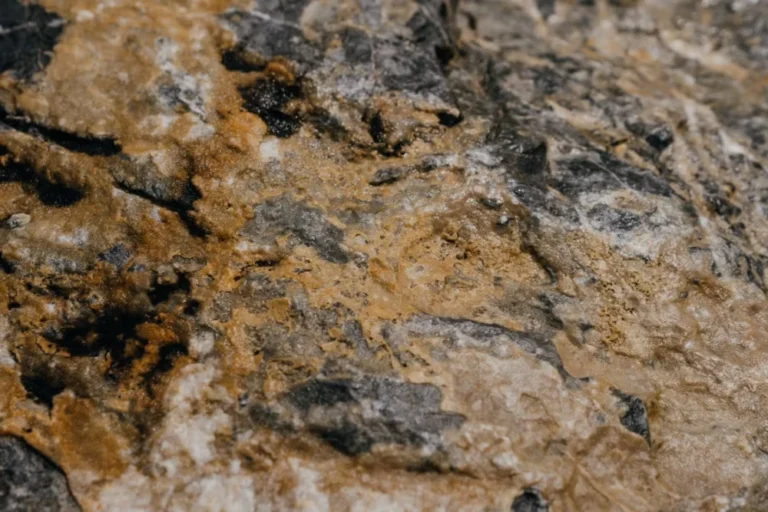

Smelting copper ore is a high-temperature pyrometallurgical extraction of pure copper from sulfide and oxide minerals using extreme heat and fluxes to separate impurities.
Since ancient times, this practice has evolved into a highly engineered discipline essential for producing high-conductivity copper. Here, we explain the smelting process, technologies, and quality considerations.
Types of Copper Ores Used in Smelting Processes
Ores utilized in smelting copper ore are primarily divided into sulfide and oxide/carbonate minerals. Sulfide ores dominate global production, while oxide and carbonate ores are often processed via hydrometallurgy but can be directly smelted based on grade and facility capabilities.
Copper Sulfide Ores
Sulfide minerals are the most abundant source of copper, requiring pyrometallurgical smelting to break chemical bonds with sulfur and produce molten matte and blister copper.
- Chalcopyrite (CuFeS2): The most abundant copper ore, accounting for about half of the world’s copper production.
- Bornite (Cu 5FeS4): Also known as “peacock ore,” containing up to 63% copper.
- Chalcocite (Cu2S): A high-grade, secondary enrichment mineral with nearly 80% copper.
- Covellite (CuS): A less common but high-grade blue mineral containing around 66% copper.
- Tetrahedrite (Cu12Sb4 S13): A complex copper-antimony sulfosalt mineral that can also contain zinc, iron, and silver.
Copper Oxide & Carbonate Ores
Oxide and carbonate ores reside in weathered deposit zones and, while frequently leached with acids, can undergo direct smelting or blending with sulfides to yield copper.
- Malachite (Cu2CO3(OH)2): A striking green copper carbonate that is one of the easiest minerals to smelt.
- Azurite (Cu3(CO3)2(OH)2): A deep blue copper carbonate commonly found alongside malachite.
- Cuprite (Cu2O): A rich, dark red copper oxide mineral containing nearly 89% copper.
- Tenorite (CuO): A black copper oxide mineral forming in oxidized zones of copper deposits.
- Chrysocolla: A complex copper silicate mineral occurring in blue and green, often found alongside malachite and azurite.
Moisture Content, Hardness, and Other Physical Factors in Copper Smelting
Physical factors like moisture, heat conductivity, and chemical reactivity directly govern the safety, energy efficiency, and environmental compliance of the smelting operation.
Successful smelting copper ore requires strict control over material characteristics to prevent hazards and optimize energy use:
- Moisture Content & Physical Factors: Governs transport handling and safety. Excess moisture causes dangerous steam explosions in flash or bath smelting furnaces.
- Heat Conductivity: Dictates thermal distribution rates, influencing mineral dissociation, phase separation, and overall efficiency.
- Chemical Reactivity & Oxidation: Governs the oxidation of iron and sulfur, providing exothermic energy for autogenous smelting.
- Moisture Impact on Energy: High moisture demands heavy energy for pre-drying. Smelters use real-time sensors to adjust oxygen-to-concentrate ratios dynamically.
- Role of Impurities: Iron and sulfur serve as reaction fuel. Toxic impurities like arsenic require complex gas scrubbing to meet environmental standards.
- Physical Characteristics on Comminution: Ore hardness and mineral textures dictate energy requirements for crushing and grinding circuits prior to flotation.

The Copper Smelting Process Explained
The transformation of raw ore into refined metal occurs through a three-step sequence of furnace smelting, converting, and anode refining to systematically remove impurities and achieve high purity.
Each phase incrementally increases copper concentration while eliminating waste.
Step 1: Smelting Furnace
Concentrated ore is heated to extreme temperatures (around 1200° C) with oxygen-enriched air. Silica and other fluxes are added to bind with unwanted iron and other impurities.
The mixture melts and separates into two distinct layers:
- Slag: The waste byproduct containing impurities (floats on top).
- Matte: A molten mixture of copper and iron sulfides (sinks to the bottom, ~60%-70% copper).

Step 2: Converting
The molten matte is transferred to a converter. Air or oxygen is blown through the matte to burn off the remaining sulfur and iron.
This step yields 98%-99% pure “blister copper,” named for the bumpy surface caused by escaping gases.
Step 3: Anode (Fire) Refining
Blister copper is placed in an anode furnace where remaining oxygen is burned off using a reducing agent like natural gas or propane.
The molten copper is poured into large molds, creating “anodes” that are 99% pure. Sulfur dioxide gas released during smelting is typically captured to manufacture sulfuric acid.
Ledoux & Co.’s Expertise in Copper Analysis
Ledoux & Co. provides unparalleled precision in copper analysis by leveraging our 145+ years of metallurgical testing experience and rigorous ISO 17025 accredited methodologies.

When smelting copper ore, accurate analytical data helps support fair valuation, processing decisions, and settlement confidence. We are an independent, ISO 17025-accredited and ISO 9001:2015-certified laboratory and a proud LBMA/LPM affiliate member.
- 145+ Years of Experience: We have perfected metallurgical testing since 1880, building a legacy of accuracy and reliability.
- ISO 17025 Accreditation: Supports technical competence, traceability, and consistent laboratory methods.
- Comprehensive Testing: We evaluate high-purity copper, copper concentrates, and valuable metals within electronic scrap (e-waste).
- Rigorous Sample Prep: We employ multi-stage homogenization and careful grinding to ensure samples accurately represent your entire bulk lot.
- Validated Techniques: We combine traditional fire assaying and wet chemistry with modern instrumental analysis for precise elemental quantification.
- On-Site Representation: We provide independent observers globally to monitor weighing, sampling, and processing, acting as your “eyes and ears.”
Key Takeaways
Achieving pure, high-value metal from raw geological deposits requires navigating the extreme complexities of smelting copper ore. Proper characterization of sulfide and oxide minerals, combined with rigorous control of physical factors, ensures efficient extraction.