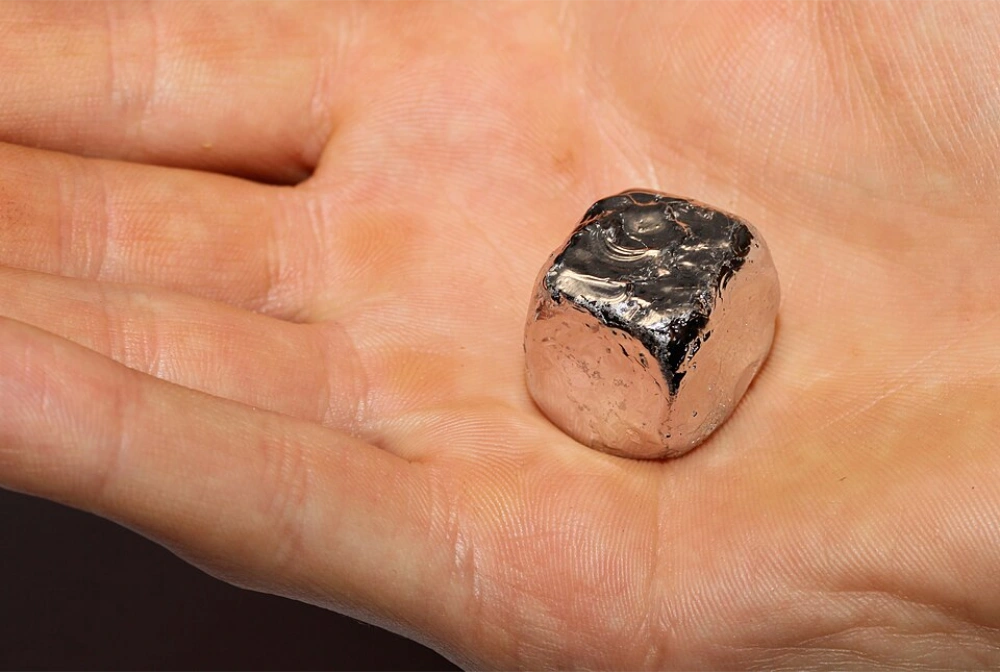
Catalytic converters contain Platinum Group Metals (PGMs) that reduce harmful emissions while offering significant recycling value. These devices utilize a ceramic honeycomb structure coated with high-value metals.
For recyclers, understanding the precious metals inside a catalytic converter is critical for maximizing financial returns and ensuring accurate recovery.
What Precious Metals Are Found Inside a Catalytic Converter?
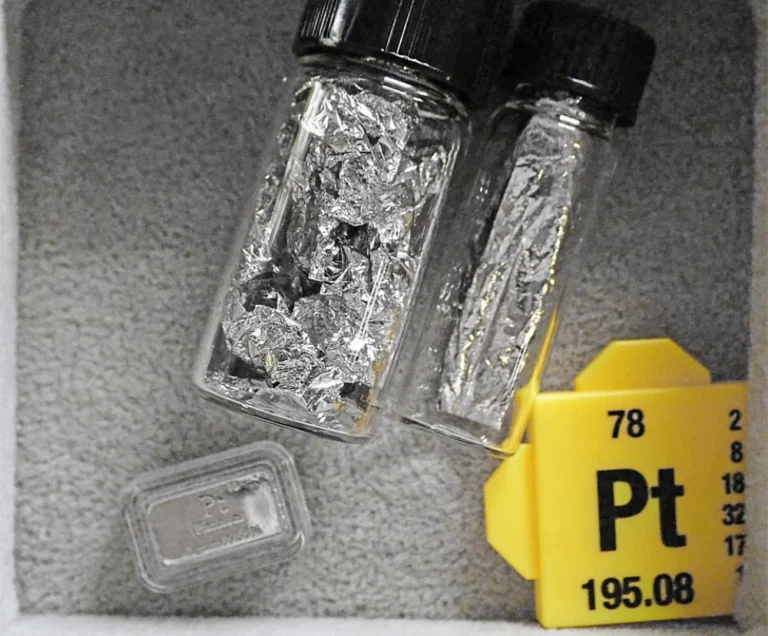
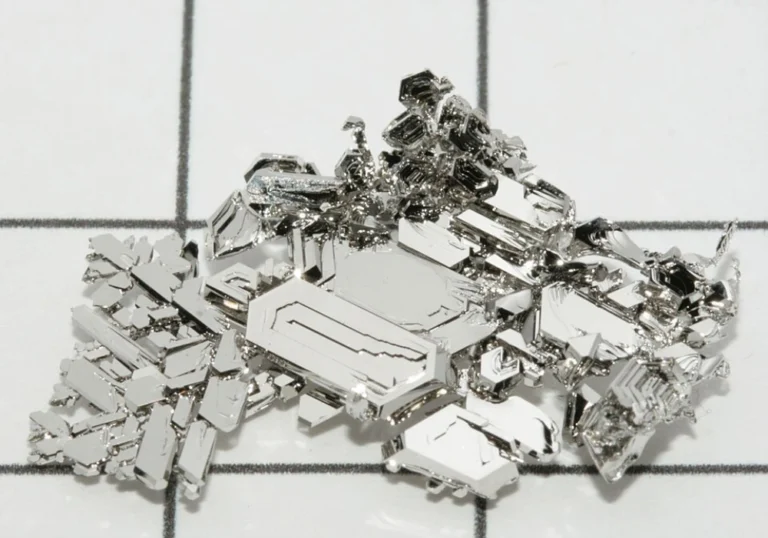
The primary precious metals inside a catalytic converter are Platinum (Pt), Palladium (Pd), and Rhodium (Rh), which act as catalysts to convert toxic gases into harmless substances.
Their unique properties allow them to withstand high temperatures while accelerating the conversion of pollutants, making them indispensable to the automotive industry.
The “Big Three” PGMs
The “Big Three” PGMs form the cornerstone of catalytic converter technology, each serving a distinct function.
- Platinum (Pt): Effective in oxidizing carbon monoxide and hydrocarbons, platinum is versatile and commonly used in both diesel and gasoline engines.
- Palladium (Pd): Often cheaper than platinum, palladium sees increased usage in gasoline engines due to its excellent oxidation properties for hydrocarbons.
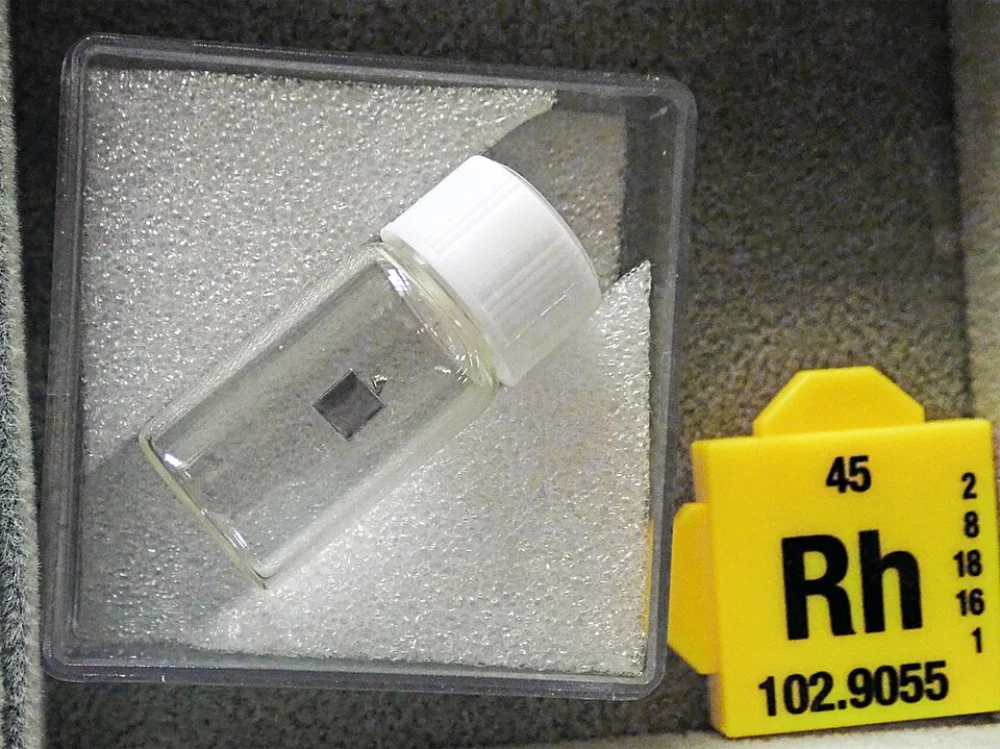
- Rhodium (Rh): As the most expensive of the three, rhodium is critical for reducing nitrogen oxides (NOx) into harmless nitrogen and oxygen.
Concentration Variations and Ceramic Carriers
The concentration of these metals varies significantly based on vehicle type, manufacturer, and model year.
Diesel vehicles typically use a higher ratio of platinum, while gasoline engines rely more on palladium. These metals are coated onto a ceramic honeycomb structure (monolith) or metallic substrate.
While the ceramic constitutes the bulk material, it merely supports the thin wash coat containing the valuable precious metals inside a catalytic converter.
Why Accurate Analysis of Precious Metals Inside a Catalytic Converter Is Crucial
The high market value of PGMs means even minor measurement errors can lead to substantial financial losses during trading.
In this high-stakes market, the difference between profit and loss hinges on the precision of a single assay. Therefore, relying on commercial-grade data is a necessity for fair transactions.
Prices for Pt, Pd, and Rh fluctuate daily, making exact quantity determination essential. A small discrepancy in weight or purity can result in massive financial disparity.
Consequently, recyclers must look beyond basic sorting tools.
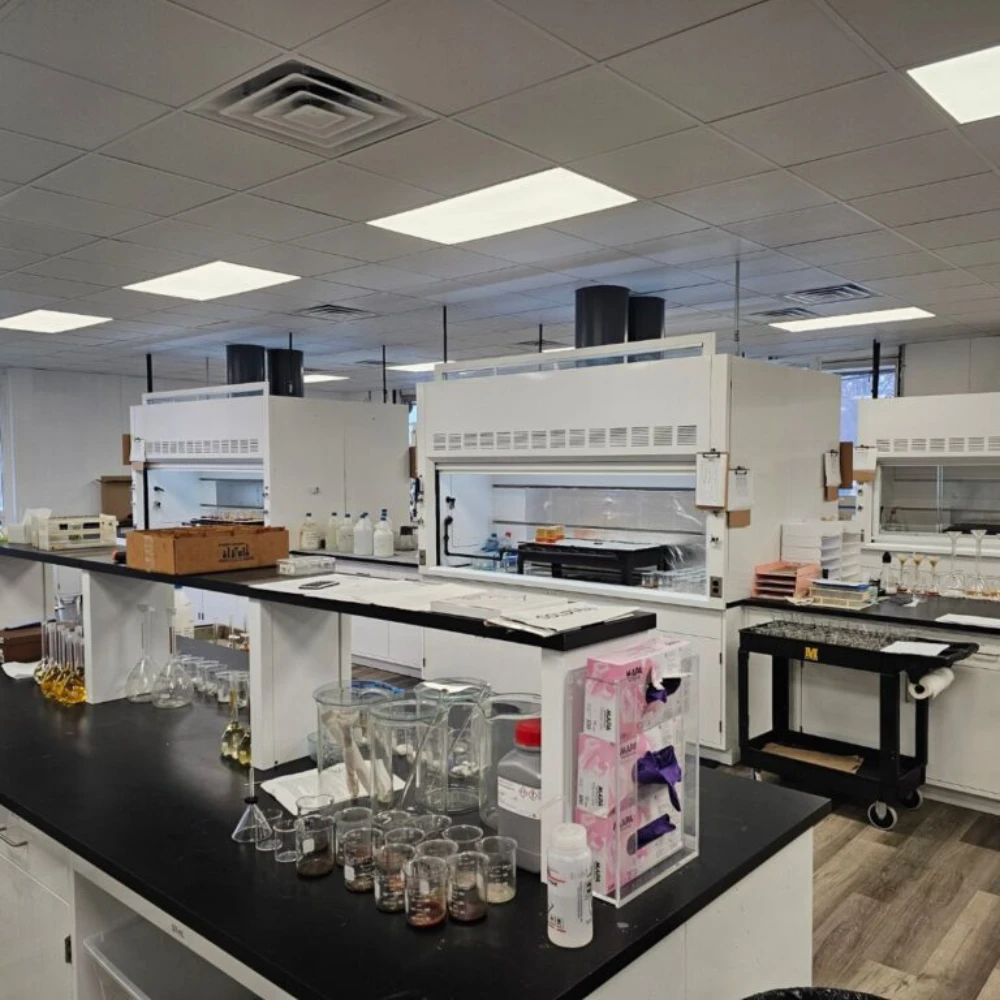
Handheld XRF guns are useful for sorting but lack the precision for commercial settlement. They analyze only the surface and struggle with sample heterogeneity.
Analyzing a converter also requires a homogenized sample representing the whole lot. A spot test is insufficient for determining true value.
Therefore, independent data from an accredited lab is necessary to resolve disputes between buyers and sellers through umpire analysis.
The Complexity of Testing Precious Metals Inside a Catalytic Converter
Testing is complex due to the heterogeneous nature of the material, specific pre-treatment requirements, and potential contamination risks.
Unlike pure bullion, a catalytic converter is a composite material where metals are dispersed within a ceramic structure, creating a challenging matrix for analysts.
Heterogeneity and Sampling Challenges
Converters are not uniform; the wash coat containing the metals may be distributed unevenly throughout the monolith. A sample from one section might differ significantly in metal concentration from another. This heterogeneity makes sampling the most critical step.
Without a representative sample achieved through rigorous crushing and grinding, even sophisticated instruments yield inaccurate data regarding the precious metals inside a catalytic converter.
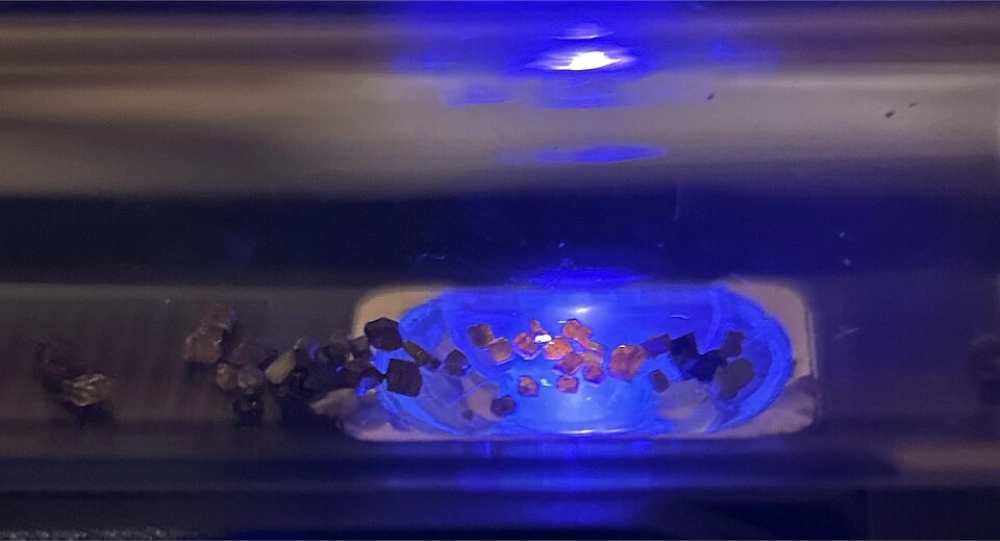
Loss on Ignition (LOI) & Loss on Drying (LOD)
Understanding the distinction between LOD and LOI is vital for accurate accounting.
- Loss on Drying (LOD): Measures moisture content by comparing weight before and after drying. It removes water and volatile impurities.
- Loss on Ignition (LOI): Measures weight loss from burning off organic matter, carbon, and sulfur during high-temperature pre-treatment.
Confusing these parameters leads to errors in calculating the final payable metal content. Additionally, converters can contain lead, phosphorus, or sulfur from engine oil, which interferes with analysis or damages refining equipment.
The Standard Process for Recovering Precious Metals Inside a Catalytic Converter
The recovery process involves mechanical and chemical steps designed to liberate and quantify the metals before final refining. This workflow transforms a complex solid into a measurable commodity.
- Decanning: The ceramic monolith is removed from the steel shell.
- Crushing and Grinding: The ceramic is reduced to a fine powder (e.g., 70-mesh) to ensure homogeneity.
- Sampling: A representative sample (about 100 grams) is taken for laboratory analysis.
- Smelting/Refining: High-temperature furnaces separate the ceramic from the metal, followed by chemical separation.
The testing lab is integral to this loop. Refiners need accurate data to process the material efficiently, ensuring the precious metals inside a catalytic converter are fully accounted for.
Ledoux & Co.’s Solution for Analyzing Precious Metals Inside a Catalytic Converter
Ledoux & Co. provides ISO 17025 accredited solutions that deliver commercial-grade assay results, ensuring precise valuation and risk mitigation. With a legacy dating back to 1880, we combine historical expertise with modern technology to serve industries worldwide.
ISO 17025 Accreditation and Global Standards
We are an ISO 17025 accredited laboratory, assuring clients that our testing methods are verified for accuracy and competence. This accreditation signifies our commitment to quality and reliability.
As an affiliate member of LBMA/LPM, we adhere to global standards, offering clients peace of mind that their results are scientifically sound.
Comprehensive Capabilities and Methods
Our capabilities cover a wide range of catalyst materials, including spent automotive catalysts (monolith, diesel, wash coat), spent industrial catalysts, and fresh catalysts. We utilize industry-leading methods to determine Pd, Pt, and Rh content accurately.
- Fire Assay: The industry standard for precision, involving the fusion of the sample to separate precious metals from the matrix.
- ICP (Inductively Coupled Plasma): Used for detecting trace elements with high sensitivity.
- Gravimetric Analysis: A precise method for determining mass concentration.
You may like this article:
- Top 15 Methods to Test Precious Metals
- What Is ISO 17025 Accredited Laboratory & Why Is It Important?
These methods provide commercial-grade results suitable for financial settlements, distinct from the basic screening offered by handheld devices.

On-Site Precious Metals Representation
To further mitigate risk, we offer On-Site Precious Metals Representation. Processing large lots of material comes with risks like theft, quality variation, and handling loss.
Our representatives act as your “eyes and ears” at the processing facility. They monitor the weighing, sampling, and documentation processes, ensuring that the sample sent to the lab truly represents the material you own.
This service eliminates risk and provides peace of mind, ensuring that the analysis of precious metals inside a catalytic converter begins with a trustworthy sample.
Key Takeaways
The value of precious metals inside a catalytic converter lies in the precise recovery of Platinum, Palladium, and Rhodium. As a result, accurate assay is non-negotiable for fair trading and maximizing financial return.
Partnering with an ISO 17025 accredited lab mitigates risk and ensures data integrity. Contact Ledoux & Co. today for commercial-grade assays and on-site representation.
FAQs
Here are common questions regarding the analysis and recovery of precious metals inside a catalytic converter.
1. How much precious metal is typically in a catalytic converter?
The amount varies based on vehicle model and fuel type, typically ranging from 1 to 15 grams. Diesel and gasoline vehicles utilize different ratios of platinum, palladium, and rhodium.
2. What is the difference between a monolith and a DPF?
A monolith is the standard ceramic honeycomb used in gasoline engines to treat exhaust gases. A Diesel Particulate Filter (DPF) is designed to trap soot and particulate matter in diesel engines.
3. Why is representative sampling so important?
Catalytic converters are heterogeneous, meaning precious metals are not distributed evenly throughout the ceramic. Without a representative sample, lab results will not reflect the true value of the lot.
4. How does ISO 17025 accreditation benefit me as a recycler?
ISO 17025 accreditation guarantees that the laboratory operates competently and generates valid results. This assurance is critical for resolving disputes and ensuring financial settlements are based on accurate data.