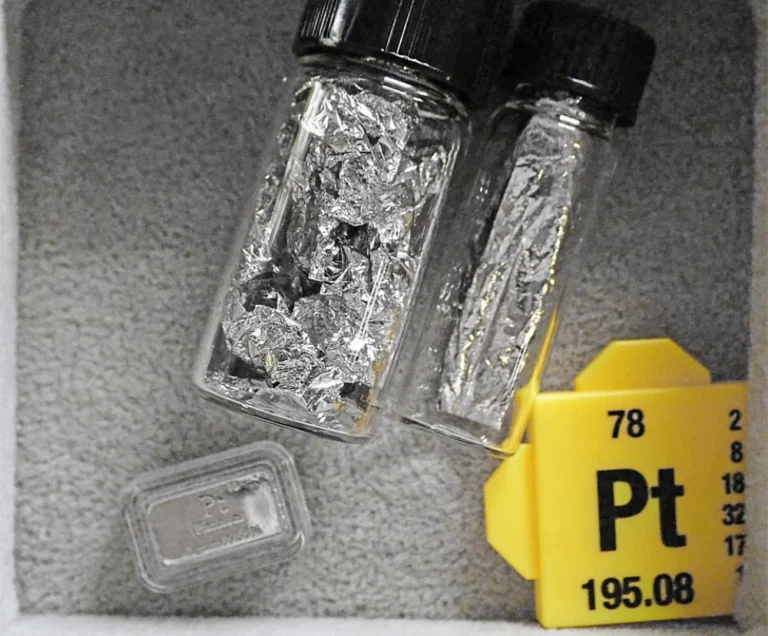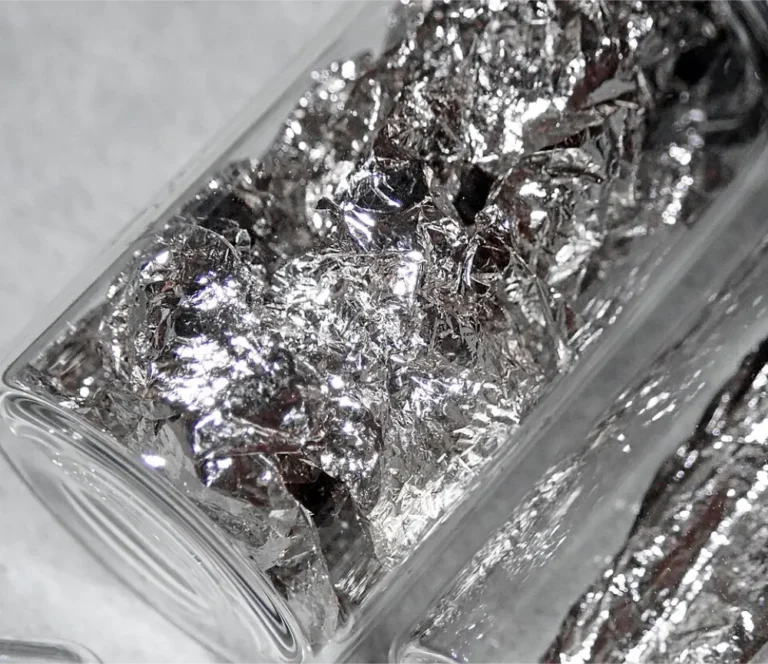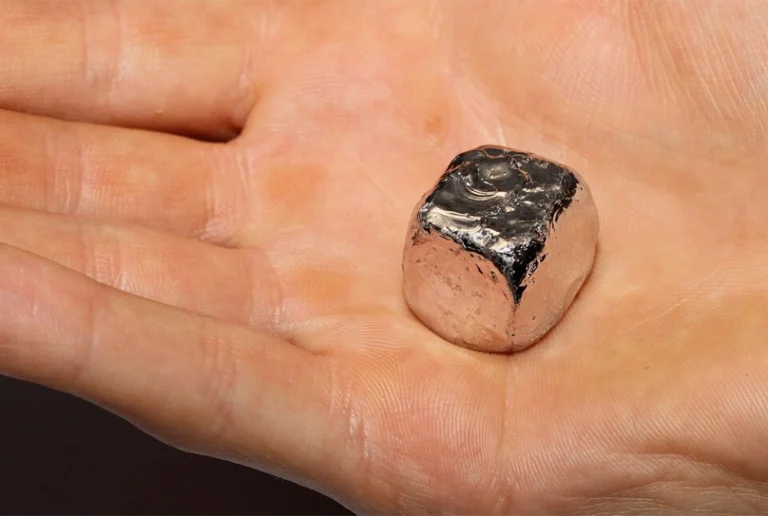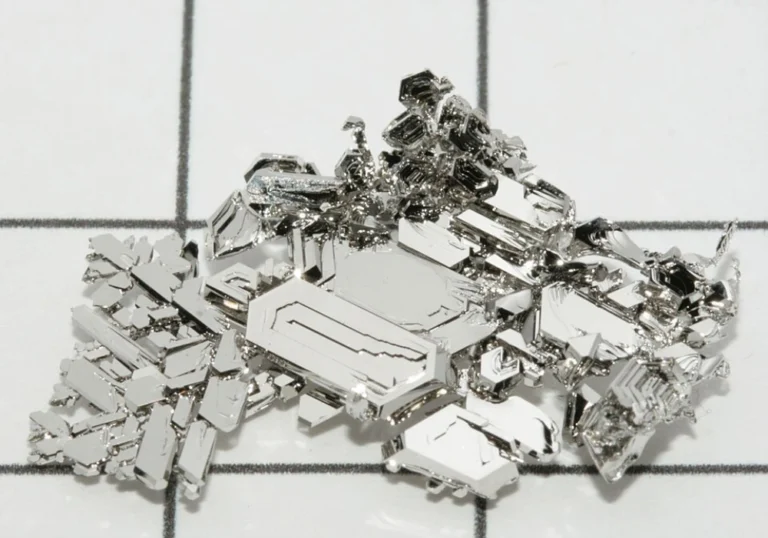
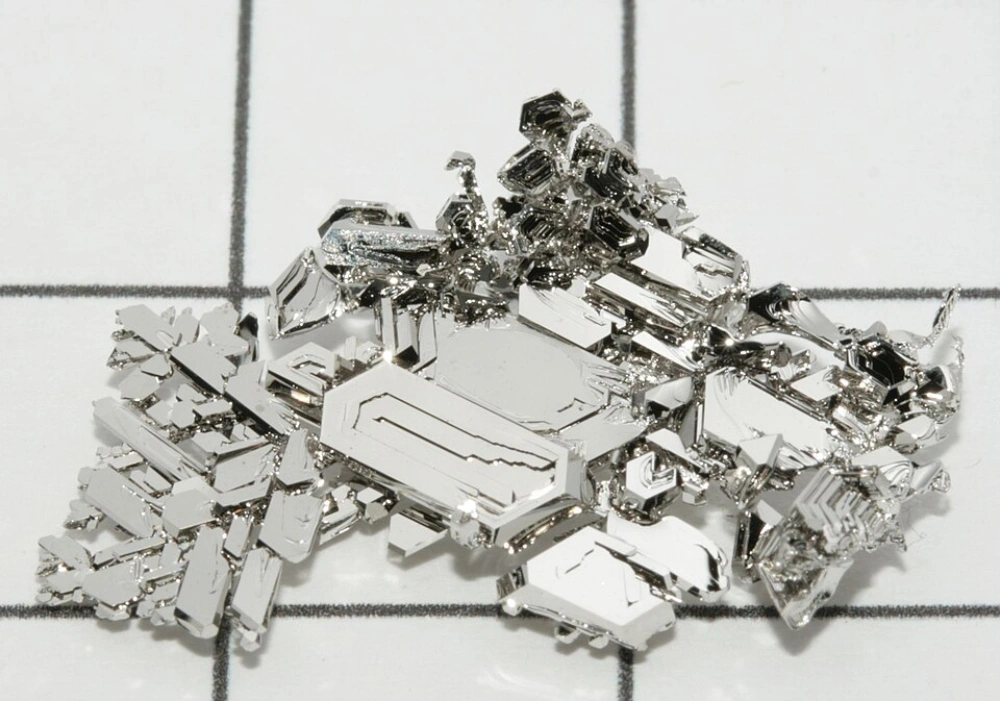
PGM refining is the metallurgical process of recovering platinum, palladium, and rhodium from various feedstocks to reclaim high economic value.
Industries rely on this process to unlock “locked” value from spent automotive catalysts and electronic scrap. Trust and accuracy in analysis are the foundations of this value chain, ensuring maximum recovery for all stakeholders.
What Is PGM Refining and Why Is It Critical?
PGM refining is critical because it recovers scarce, high-value metals from waste streams, reducing reliance on primary mining and driving the circular economy. The process involves the complex separation of Platinum (Pt), Palladium (Pd), and Rhodium (Rh) from base metals and impurities.
As these metals are scarce and expensive, refining allows industries to reclaim significant value from spent materials like automotive catalytic converters, which would otherwise be lost.
The economic drivers are substantial; PGMs are vital for automotive and petrochemical applications, making their recovery essential for supply chain stability.
Furthermore, the sustainability angle cannot be overstated. Refining reduces the need for environmentally intensive primary mining, aligning with global environmental goals and circular economy principles.
3 Primary Sources for PGM Refining and Recycling
The primary sources for recycling include secondary materials like spent automotive catalysts and industrial petrochemical catalysts, alongside primary mining ores.
While primary sources originate from mining concentrates, the secondary stream is rapidly growing due to the ubiquity of PGMs in industrial applications.
PGM resources include:
- Spent Automotive Catalysts: These represent the most significant secondary source. Whether monoliths, diesel particulate filters, or wash coat materials, these units are rich in Pt, Pd, and Rh used to reduce vehicle emissions.
- Industrial and Petrochemical Catalysts: These include Reforming, Vinyl Acetate Monomer (VAM), and Ethylene Oxide (EO) catalysts. While some contain PGMs, others may hold Silver or Rhenium, all requiring precise recovery methods.
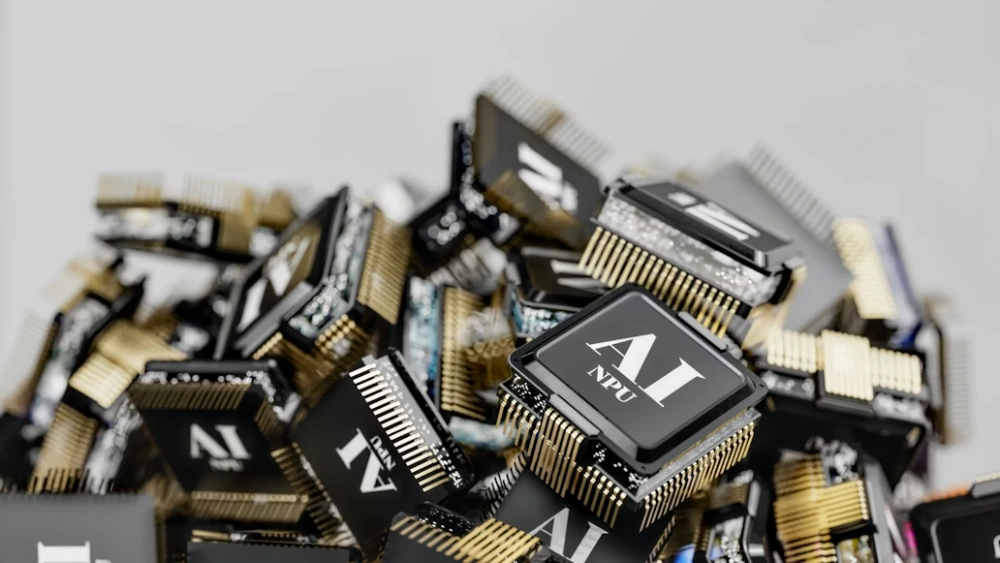
- Electronic Scrap (E-scrap): Circuit boards and electronics often contain gold, silver, and palladium. Although smaller in volume compared to catalytic converters, they remain a viable feedstock for recovery.
Regardless of the source, the material must be accurately sampled to determine its actual value. Without representative sampling, the economic potential of these materials cannot be accurately realized.
The 4 Essential Stages of PGM Recycling and Refining
The four essential stages of PGM refining involve sampling, pre-treatment, chemical separation, and final purification to transform waste into pure metal. Each stage requires rigorous technical control to prevent material loss and ensure safety.
Stage 1: Sampling and Assaying (Pre-Refining)
To determine the precise metal content, a representative sample must be taken, typically a 100-gram sample of 70-mesh ground material.
This sample acts as the blueprint for the entire operation. Without accurate sampling and assaying, a fair financial settlement is impossible, as the agreed-upon value relies entirely on the scientific validity of this initial analysis.
Stage 2: Pre-Treatment and Smelting
Once the material is characterized, it undergoes preparation.
For automotive catalysts, this involves “decanning” to extract the ceramic or metallic substrate. The material is then smelted at high temperatures in a furnace.
This process separates the precious metal-bearing phase from the slag (impurities), concentrating the valuable metals into a matte or bullion form suitable for further chemical processing.
Stage 3: Chemical Leaching and Separation
The concentrated material from smelting is subjected to chemical leaching, often using potent acids like aqua regia. This dissolves the PGMs into a liquid solution, effectively separating them from remaining base metals and impurities.
The chemical inertness of PGMs makes this a highly technical step, requiring specific conditions to ensure maximum dissolution and separation efficiency.
Stage 4: Purification and Reduction
In the final stage, individual pure metals are recovered from the solution.
Through techniques such as precipitation or electrolysis, metals like pure Palladium powder or Platinum sponge are separated.
These purified products are then ready for reuse in manufacturing, closing the loop on the materials cycle.
Challenges in the PGM Refining Process
Challenges in PGM refining arise from material complexity, sampling errors like the “nugget effect,” and the need for transparent financial settlements.
- Material Complexity: PGM feedstocks are rarely pure. They often contain a chaotic mix of contaminants, ceramics, and base metals. This heterogeneity complicates the refining process, requiring sophisticated technology to separate the value from the waste effectively.
- Sampling Errors: The “nugget effect” is a significant risk where a single particle containing a high concentration of metal skews the assay result. This can lead to assays that are inaccurately high or low, causing financial disputes between buyers and sellers.
- Transparency and Trust: The refiner and seller often have conflicting interests regarding the material’s grade. Consequently, there is a vital need for an “umpire” or independent third party to verify results objectively.
- Loss on Ignition (LOI) and Moisture: Inaccurate calculation of LOI and moisture content can lead to incorrect weight settlements. Precise documentation of these factors is essential to ensure that financial agreements reflect the true dry weight of the precious metals.
How Ledoux & Co. Enhances Your PGM Refining Operations
Ledoux & Co. acts as the scientific authority in a complex value chain, ensuring that every gram of precious metal is accounted for accurately.
Catalyst Testing Services
We offer comprehensive testing for Spent Automotive Catalysts, EO Catalysts, and Reforming Catalysts. Utilizing Fire Assay, ICP, and Gravimetric methods, our ISO 17025 accredited laboratory delivers precise results.
For Ethylene Oxide (EO) catalysts, we specifically determine soluble, insoluble, and total silver, providing the detailed data required for optimal refining strategies.
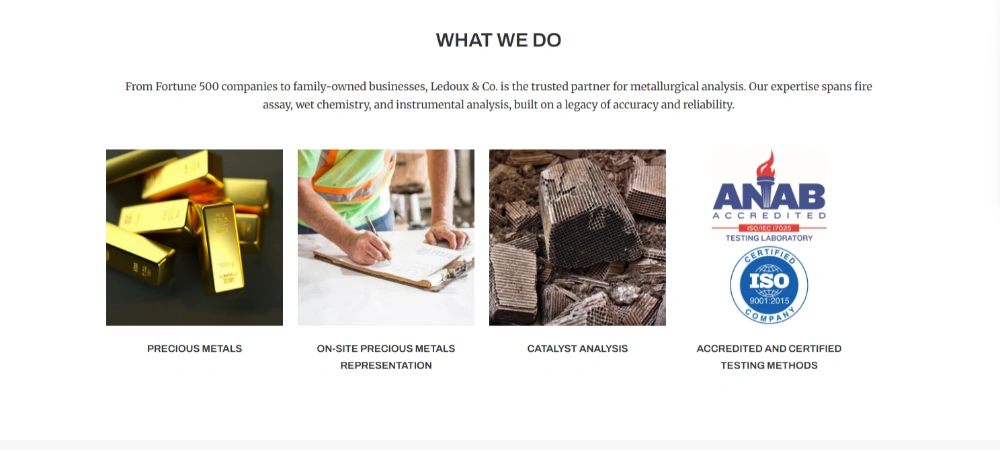
On-Site Representation
To mitigate risks such as theft or handling errors, we provide independent representatives at processing facilities worldwide.
Our “eyes and ears” service involves witnessing the weighing, sampling, and documentation processes.
This ensures that the material presented for refining is handled with the utmost integrity and that the samples analyzed in the lab truly represent the bulk material.
Commercial-Grade Assays
Our assays are commercial-grade, accepted for financial transactions and umpire purposes. We provide the “scientific truth” necessary for settling disputes and finalizing contracts.
As an affiliate member of LBMA/LPM, we adhere to global standards, ensuring that our results are recognized and respected internationally.
Key Takeaways
PGM refining is a complex but essential process for recovering high-value metals from industrial waste and spent catalysts. Accurate sampling and analysis are non-negotiable for ensuring fair value and maintaining trust between recyclers, smelters, and refiners.
Partner with Ledoux & Co. to leverage our 144+ years of experience. Let our ISO 17025 accredited testing and on-site representation ensure you get the accurate results you deserve. Contact us today.
FAQs
Addressing common inquiries helps clarify the intricacies of PGM refining for industry professionals.
1. What is the “nugget effect” in sampling?
The “nugget effect” occurs when small, high-grade particles cause high variability in sample results, leading to potential over or under-estimation of value. Rigorous sampling protocols are required to minimize this statistical error.
2. Can PGMs be recycled indefinitely?
Yes, PGMs are chemically stable and can be recycled indefinitely without losing their purity or properties. This makes their recovery environmentally sustainable and economically attractive compared to mining.
3. How does independent analysis protect a recycler?
Independent analysis ensures that the reported metal content is unbiased and scientifically accurate, protecting the recycler from underpayment. It provides a trusted data point that can be used for financial negotiations.
4. What types of materials are processed in PGM refining besides auto catalysts?
The process also handles industrial catalysts from petrochemical plants, electronic scrap like circuit boards, and even jewelry sweepings. These secondary sources contain varying amounts of precious metals suitable for recovery.
5. Why is ISO 17025 accreditation important for a testing laboratory?
ISO 17025 accreditation confirms that the laboratory operates at the highest technical standard and produces valid results. It guarantees that the testing methods and quality management systems meet rigorous international requirements.