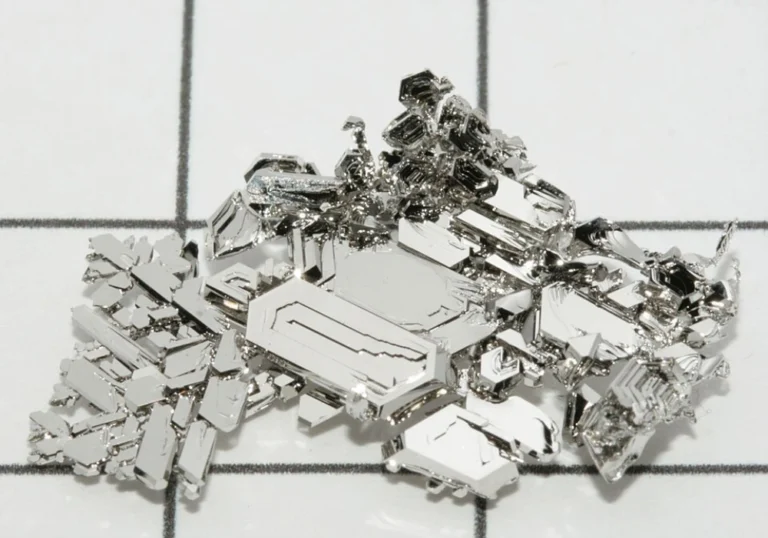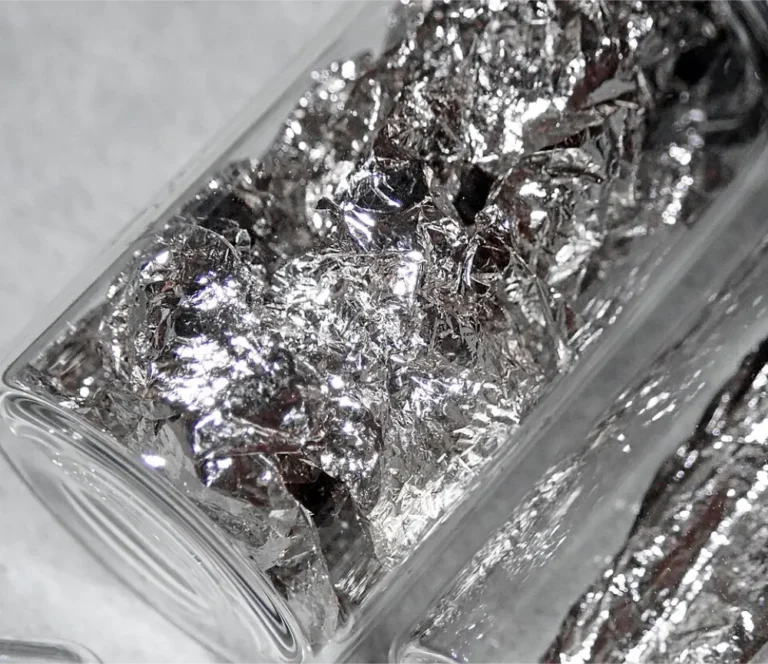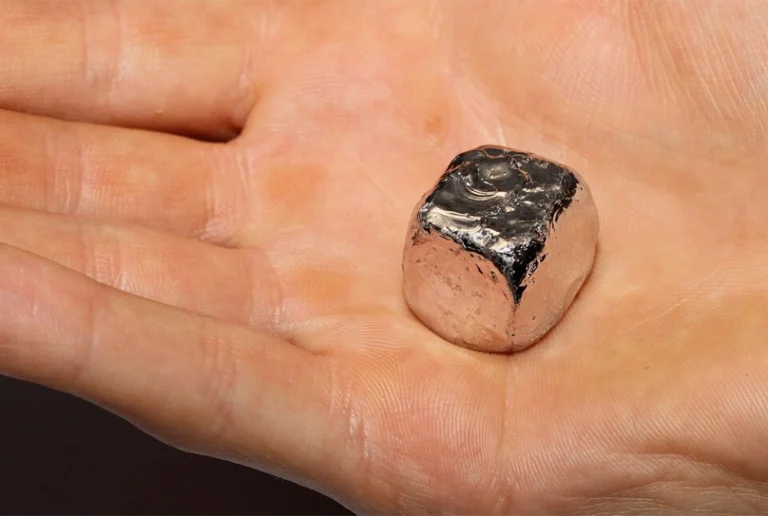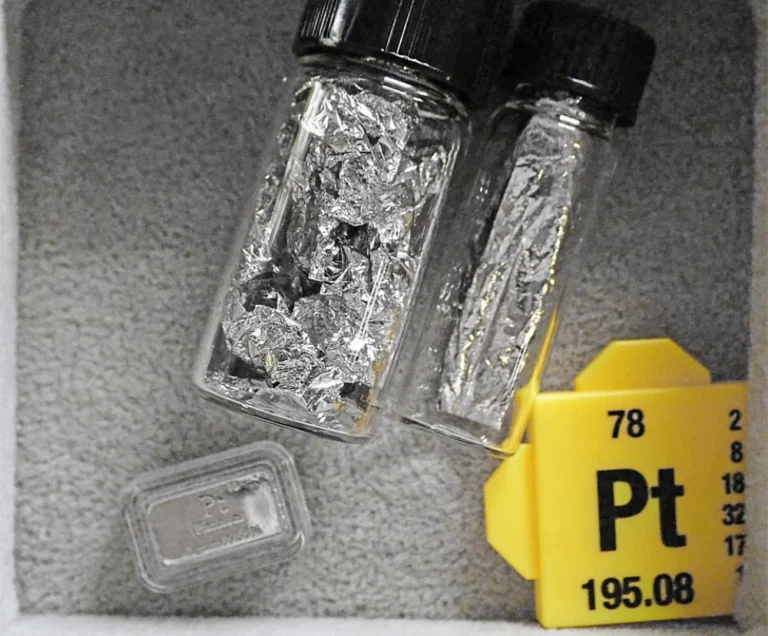
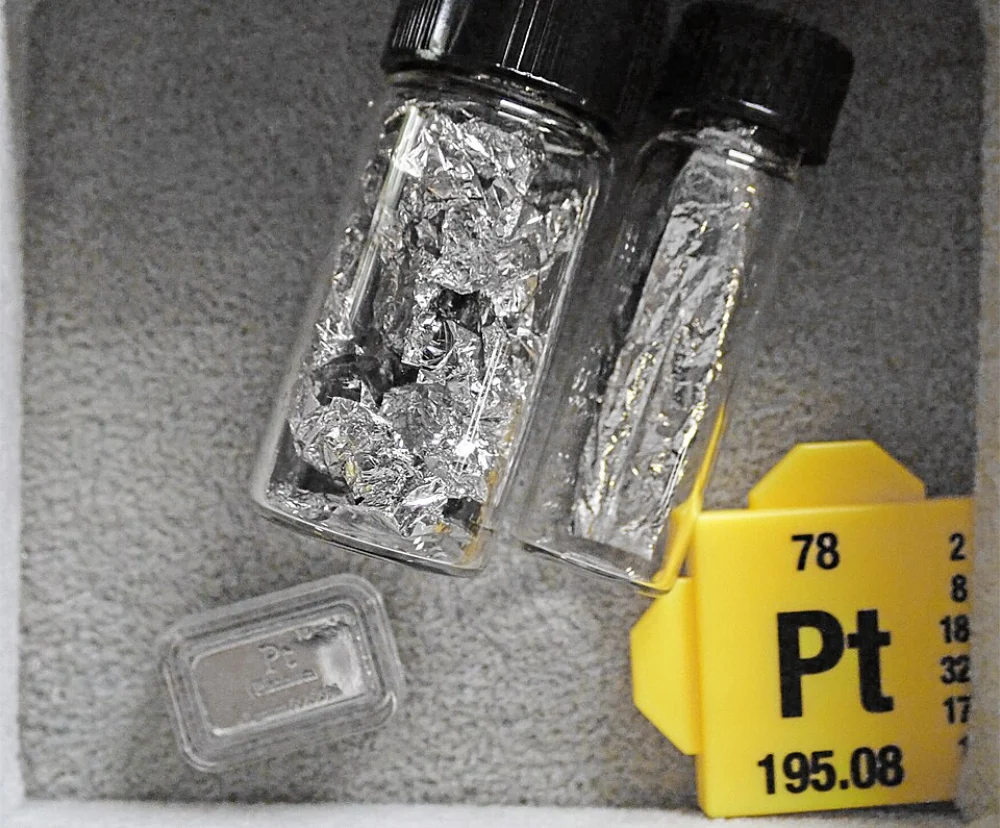
PGM processing is the series of extraction, separation, and refining steps used to isolate Platinum Group Metals from ores or recycled materials. These metals are vital for the automotive and electronics industries.
This article demystifies the workflow, contrasts it with base metal refining, and highlights the critical need for accurate assay services.
What Are Platinum Group Metals (PGMs)?
PGMs are a family of six chemically similar elements distinguished by exceptional physical properties that make them indispensable to modern technology.
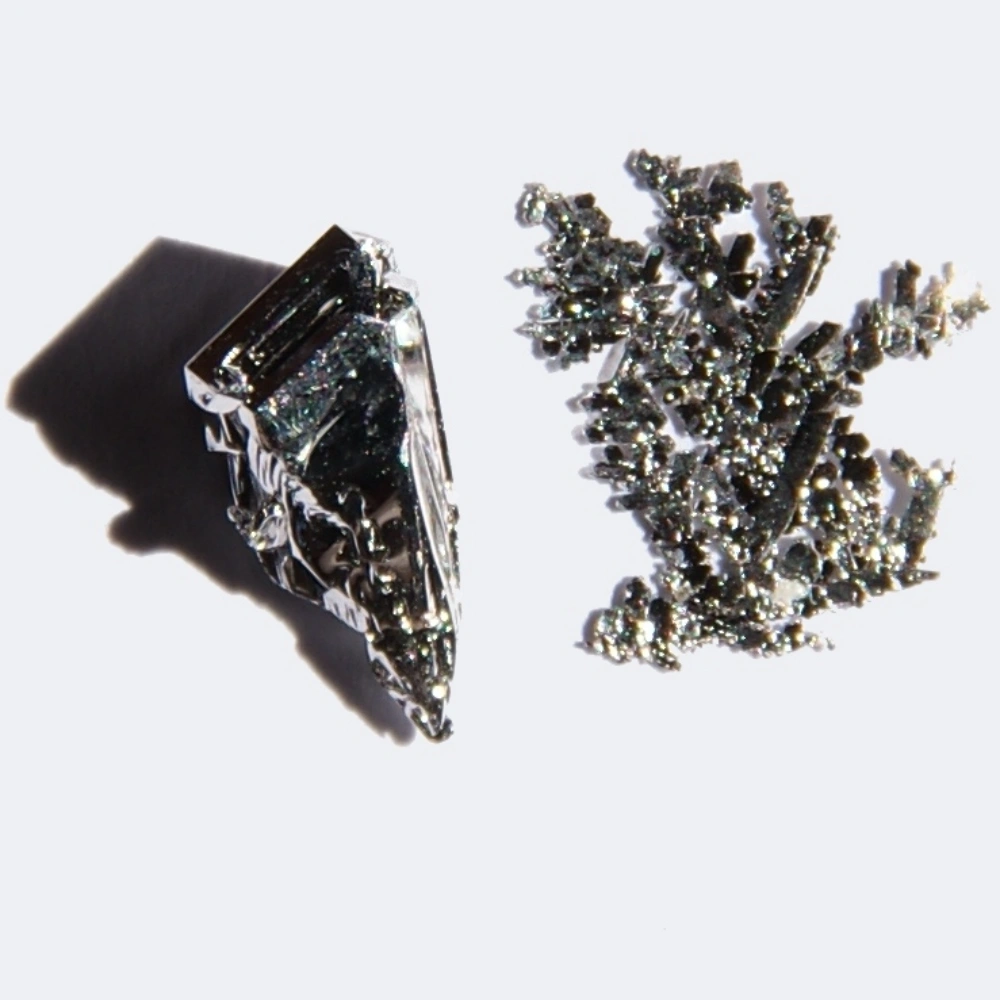
This group includes Platinum (Pt), Palladium (Pd), Rhodium (Rh), Iridium (Ir), Ruthenium (Ru), and Osmium (Os). Their unique characteristics set them apart in the global market:
- Unique Properties: These metals possess exceptionally high melting points and superior corrosion resistance. Their outstanding catalytic activity facilitates chemical reactions without being consumed.
- Industrial Application: These traits make PGMs essential for automotive catalytic converters, which reduce harmful emissions, and for high-reliability electronics.
- Rarity and Value: The designation “precious” reflects their extreme scarcity. They occur in trace amounts, often requiring tons of ore to yield mere grams of metal.
This rarity drives a critical need for efficient PGM processing and robust recycling infrastructures to sustain global demand.
Primary Sources of PGM Materials
The industry sources PGMs from geographically concentrated mining reserves and an expanding range of secondary recycled materials. This dual supply chain mitigates risk but introduces distinct processing challenges.
- Primary Mining Operations: South Africa and Russia dominate global production, hosting the vast majority of sulfide-rich PGM reserves. Extracting from these deep underground deposits is capital intensive and energy demanding.
- Secondary Recycling Sources: Recycling has become a cornerstone of the supply chain, offering a faster route to refined metal.
- Spent Automotive Catalysts: The most significant secondary source, containing high concentrations of Platinum, Palladium, and Rhodium.
- Electronic Scrap (E-scrap): Discarded computers and circuit boards contain trace amounts of PGMs.
- Industrial Catalysts: Spent catalysts from petroleum refining represent a high-value feedstock.
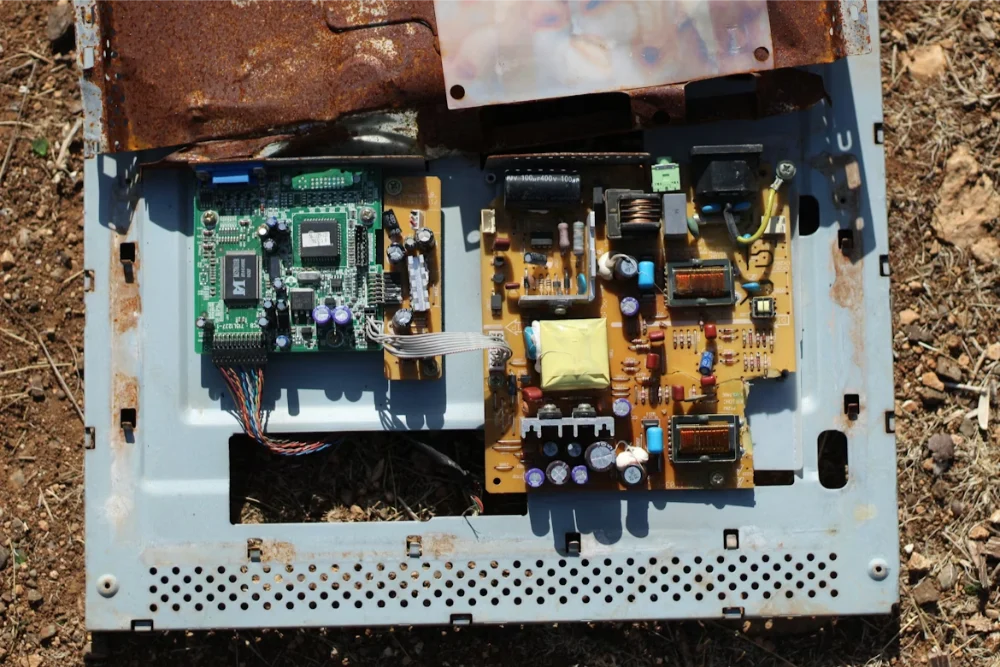
The shift toward recycling impacts the PGM processing workflow significantly.
Unlike uniform primary ores, recycled materials possess diverse compositions. This variability necessitates rigorous sampling and precise analysis to determine metal content before refining begins.
Overview of the PGM Processing Workflow
The workflow systematically transforms raw feedstock into pure metals through four critical stages, with sampling accuracy serving as the primary determinant of economic success.
- Pre-processing: Operations sort, crush, and grind incoming ore or scrap. This step liberates PGM-bearing components from inert materials to create a homogeneous feed.
- Sampling: This is the most critical step for financial accuracy. Technicians must extract a representative portion for analysis. If the sample fails to reflect the entire lot, the calculated value will be incorrect.
- Concentration: This stage separates valuable metals from bulk waste using flotation or gravity separation, reducing the volume sent to the refinery.
- Refining: Complex chemical and physical processes separate individual PGMs from impurities, resulting in high-purity metals.
Different materials require distinct workflows. Automotive catalysts often undergo hydrometallurgical leaching, while copper concentrates may be smelted. Understanding feed characteristics is essential for selecting the optimal route.
PGM Refining vs. Base Metal Refining: What’s the Difference?
Base metal refining handles high volumes with tolerance for minor errors, whereas PGM processing demands extreme precision because small discrepancies cause substantial financial losses.
The economic and technical realities of processing copper or lead differ vastly from those of Platinum or Palladium.
In base metal refining, operations process massive tonnages where the value per ton is relatively low; a small percentage error is often tolerable.
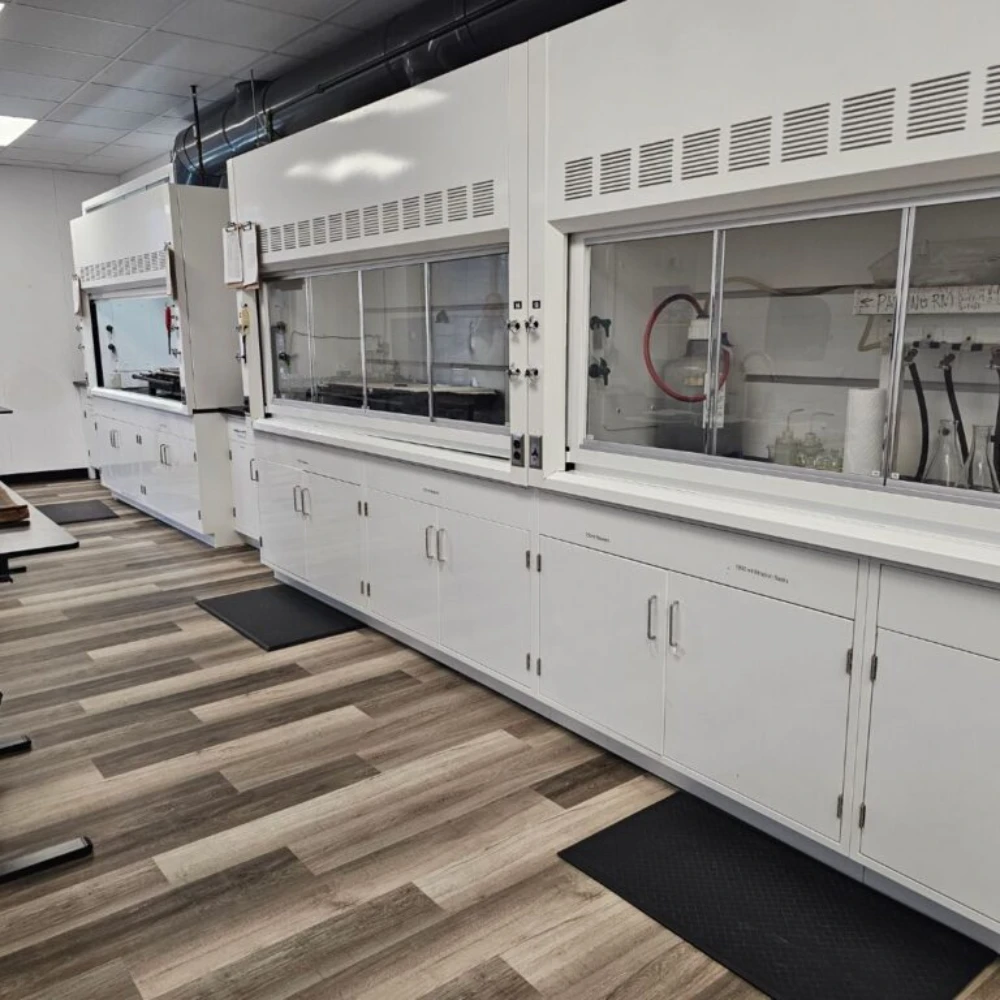
In contrast, PGM operations are low-volume, high-value. A minor error in measuring a rhodium shipment can result in a significant financial deficit.
Furthermore, the chemical complexity of PGM refining is significantly higher. Separating individual platinum group metals is chemically challenging due to their similar properties. They often coexist in solution, requiring intricate solvent extraction circuits.
In PGM processing, “accuracy is currency,” requiring analytical methods that achieve parts-per-million precision.
Techniques for Extracting and Analyzing PGMs
Extraction and analysis require a combination of robust metallurgical methods and sophisticated verification techniques. Selecting the correct technique ensures both operational efficiency and financial accuracy.
Pyrometallurgical & Hydrometallurgical Techniques
Extraction relies on high-temperature smelting or aqueous chemical leaching depending on the material source.
- Pyrometallurgy uses heat to concentrate metals into a matte, a method common for primary ores.
- Hydrometallurgy employs acids to leach metals from spent catalysts and e-scrap.
While effective for extraction, these methods require analytical confirmation to verify recovery rates.
Analytical Techniques for Accuracy
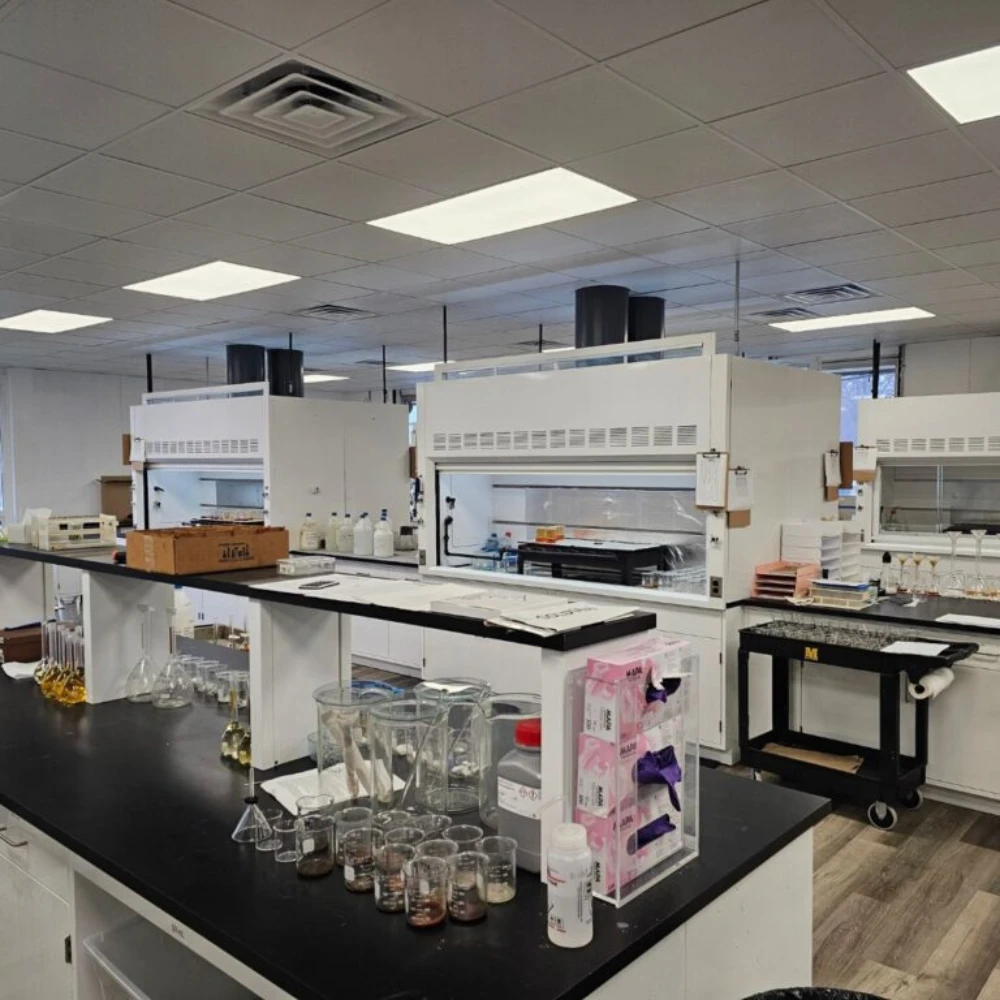
Verifying metal content requires precise methods like fire assay and instrumental analysis for commercial validity.
- Fire Assay (Cupellation): The industry standard for determining gold, silver, and PGM content. It provides total precious metal content with high accuracy.
- Instrumental Analysis: Inductively Coupled Plasma (ICP) spectroscopy detects trace elements in solution. XRF is useful for rapid screening but insufficient for settlement alone.
Commercial transactions demand precise wet chemistry or ICP methods alongside fire assay for successful PGM processing.
Ledoux & Co.’s Expertise in PGM Analysis and On-Site Representation
Ledoux & Co. provides the critical verification layer in this industry, offering ISO-accredited analysis and on-site representation to safeguard material value.
As an independent laboratory established in 1880, we do not just process; we verify. We are an ISO 17025 accredited and ISO 9001:2015 certified lab, providing the unbiased data needed for financial transactions and umpire analysis.
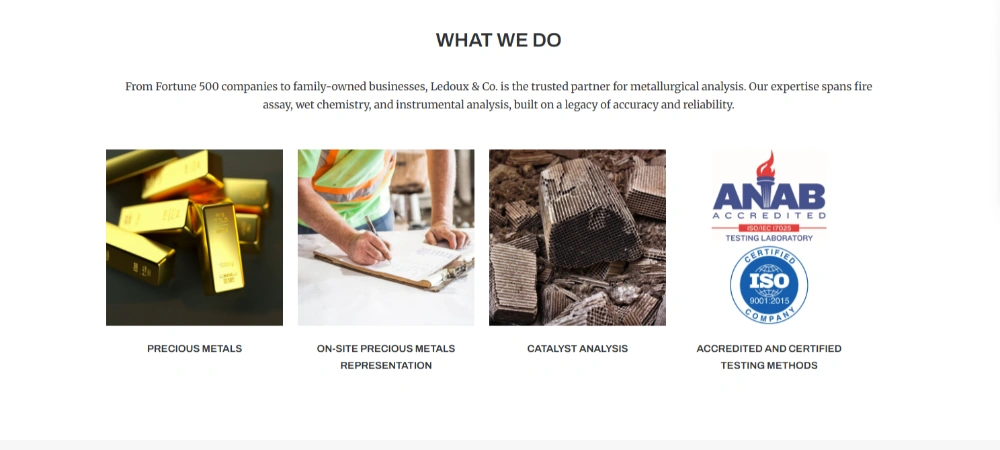
Our Catalyst Testing Services provide accurate determination of Palladium (Pd), Platinum (Pt), and Rhodium (Rh) in spent automotive and industrial catalysts. Utilizing NIST-traceable standards, our methods ensure assay results are precise and legally defensible.
Beyond the laboratory, our On-Site Representation services mitigate risks inherent in large-scale processing.
We act as your “eyes and ears” during sampling and weighing phases at processing facilities worldwide. Our experienced representatives monitor and document every step, ensuring the sample is truly representative.
As an affiliate member of the LBMA and LPPM, we uphold the highest standards of integrity.
Key Takeaways
PGM processing is a multifaceted sequence essential for extracting high-value metals from diverse sources, ranging from mined ores to recycled industrial catalysts. The industry demands rigorous standards to ensure profitability.
Partner with Ledoux & Co. to leverage our 140+ years of experience and ISO 17025 accreditation for your next project. Contact us today to ensure your material is represented accurately and analyzed precisely.
FAQs
Here are common questions regarding PGM processing to help clarify the intricacies of the industry.
1. Why is the fire assay method preferred for PGM analysis?
Fire assay is preferred because it provides a total collection of precious metals, offering superior accuracy compared to instrumental methods alone. It effectively separates precious metals from the matrix for financial settlement.
2. How does Ledoux & Co. ensure the integrity of a sample?
We utilize strict ISO 17025 accredited procedures and NIST-traceable standards, ensuring every step is documented. Our on-site representatives also witness the sampling process to guarantee correctness.
3. What is the difference between a spent and a fresh catalyst analysis?
Fresh catalyst analysis verifies that material meets manufacturing specifications, while spent catalyst analysis determines the remaining precious metal content for valuation purposes.
4. Why is on-site representation important in PGM processing?
On-site representatives act as independent third parties to monitor weighing and sampling, preventing errors or fraud. They ensure the sample delivered to the lab accurately reflects the bulk material.