
Catalysts play a critical role in modern industry, powering everything from cleaner automotive emissions to efficient chemical production. But what exactly is a fresh catalyst, and why is it so important?
A fresh catalyst refers to a newly manufactured material that has not yet been used in industrial processes. Its activity, purity, and composition determine how effectively it can drive chemical reactions, making it essential for industries that demand precision and compliance.
Understanding the properties of fresh catalysts and verifying their quality through accurate testing, ensures consistent performance and long-term value.
What Is a Fresh Catalyst?
A fresh catalyst is a newly manufactured material that speeds up chemical reactions without being consumed in the process. Unlike raw reactants, catalysts provide an active surface that helps reactions occur faster and more efficiently.
Fresh catalysts are essential in industries like automotive, petrochemical refining, and chemical manufacturing. Their effectiveness depends on three main properties:
- Activity – how well they accelerate reactions.
- Selectivity – ability to target desired reactions while limiting byproducts.
- Stability – resistance to deactivation during use.
The term “fresh” distinguishes these materials from spent catalysts, which have already been used and may have lost effectiveness. Since composition and purity directly impact performance, each fresh catalyst must be carefully analyzed before use.
Fresh Catalyst vs. Spent Catalyst
Catalysts fall into two categories: fresh and spent. Fresh catalysts are newly manufactured and fully active, while spent catalysts have already been used and may have lost efficiency.
| Aspect | Fresh Catalyst | Spent Catalyst |
|---|---|---|
| Condition | New, unused, full activity | Used, degraded, reduced activity |
| Performance | Delivers maximum efficiency | Lower efficiency due to fouling or deactivation |
| Composition | Clean, active metals and stable structure | May contain contaminants, deposits, or altered structure |
| Value | Ensures optimal industrial performance | Holds recoverable precious metals (e.g., platinum, palladium, rhodium) |
| Purpose of Testing | Verifies purity and activity before use | Recovers valuable metals and assesses remaining life |
Testing both types is critical, fresh catalysts for quality assurance, and spent catalysts for metal recovery and sustainability.
Industrial Applications of Fresh Catalysts
Fresh catalysts play a crucial role across multiple industries, ensuring efficiency, compliance, and sustainability. Their performance directly impacts energy use, emissions, and overall productivity.
Key applications include:
- Automotive Industry Fresh catalysts in catalytic converters help reduce harmful emissions such as carbon monoxide, nitrogen oxides, and hydrocarbons. High-quality catalysts ensure vehicles meet strict environmental standards.
- Petrochemical & Refining In refineries, fresh catalysts are used to break down heavy hydrocarbons, improve fuel quality, and increase production yields. Their activity and selectivity are essential for cost efficiency.
- Manufacturing & Chemical Production Industries rely on fresh catalysts to accelerate chemical reactions, improve product consistency, and reduce energy consumption in processes like plastics, fertilizers, and polymers.
- Sustainability Efforts By improving reaction efficiency, fresh catalysts help industries lower waste and energy demands, supporting cleaner, more sustainable operations.
Fresh catalyst performance directly influences industrial success, making accurate testing and analysis essential before deployment.
Why Testing Fresh Catalysts Matters
The performance of a fresh catalyst is only as reliable as its quality. Even small variations in composition or purity can affect efficiency, compliance, and operating costs. That’s why thorough testing is critical before catalysts are put into service.
Key reasons testing matters:
- Purity Verification Ensures catalysts meet required specifications and are free from contaminants that could reduce effectiveness.
- Performance Assurance Confirms the catalyst will deliver maximum activity and stability in real-world conditions.
- Regulatory Compliance Industries such as automotive and refining must meet strict environmental and safety standards. Testing helps guarantee compliance.
- Risk Reduction Prevents costly downtime, product inconsistencies, and potential failures caused by poor catalyst quality.
Methods of Fresh Catalyst Analysis
Testing fresh catalysts requires advanced laboratory techniques to measure composition, purity, and performance. Different methods are used depending on the type of catalyst and the information needed.
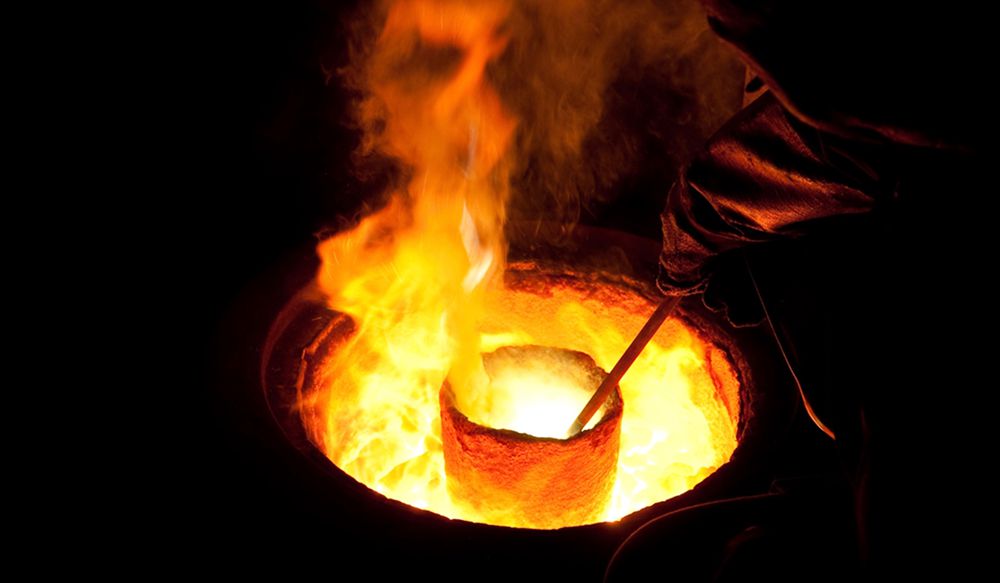
Common analysis methods include:
- Fire Assay A traditional, highly accurate method for determining precious metal content in catalysts.
- Wet Chemistry Involves dissolving samples and applying chemical reactions to measure specific elements with precision.
- Instrumental Analysis Advanced equipment such as X-ray fluorescence (XRF) and inductively coupled plasma (ICP) spectrometry provides detailed, fast, and non-destructive analysis.
- Particle Size & Structure Testing Examines physical properties that impact catalyst performance, such as surface area and stability under operating conditions.
Accurate results depend on using multiple techniques in combination, ensuring no detail is overlooked.
Ledoux & Co.: Trusted Partner in Catalyst Testing
Choosing the right partner for catalyst testing makes all the difference. With over 140 years of expertise, Ledoux & Co. has built a reputation for precision, reliability, and integrity in metallurgical analysis.

Our laboratory is both ISO 17025 accredited and ISO 9001:2015 certified, ensuring every test meets the highest international standards. From fresh catalyst testing to spent catalyst recovery, we provide unbiased, commercial-grade results that industries depend on for efficiency, compliance, and financial transactions.
Whether you’re a global manufacturer or a small refiner, our team delivers fast turnaround times, detailed reporting, and personalized support.
Ready to safeguard performance and maximize value? Submit a sample today or contact our experts to learn how Ledoux & Co. can support your catalyst analysis needs.