
A professional catalyst reclamation company transforms spent industrial materials from hazardous waste into valuable revenue streams. Handling spent catalysts containing precious metals requires specialized knowledge to ensure environmental compliance and financial return.
These companies bridge the gap between waste disposal and resource recovery. This article explores how they operate, the reclamation process, and why accurate, independent testing is the cornerstone of maximizing your return on investment.
What Is a Catalyst Reclamation Company?
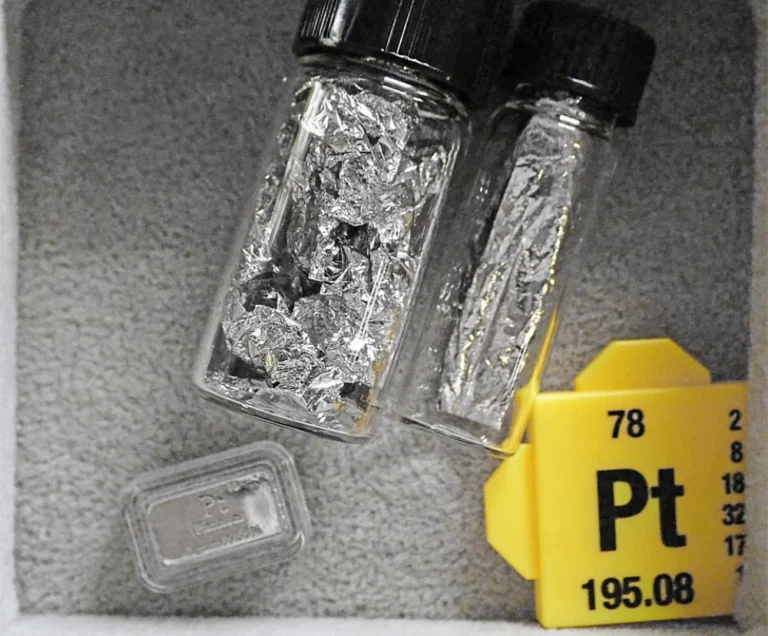
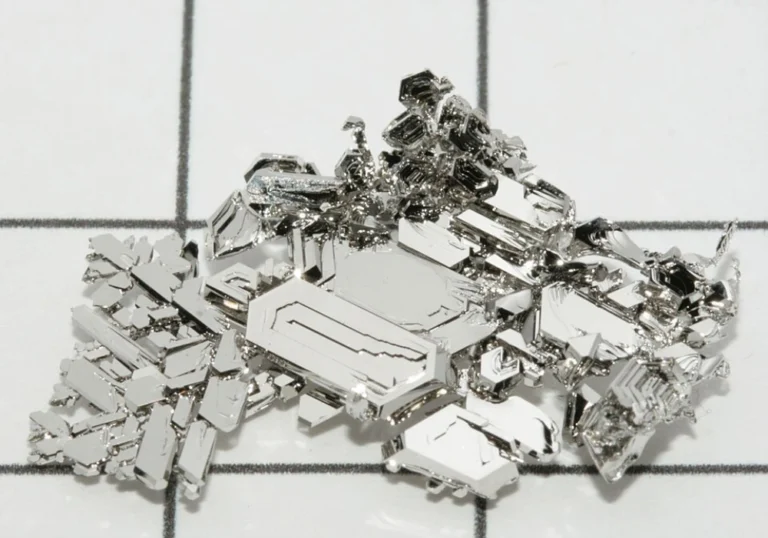
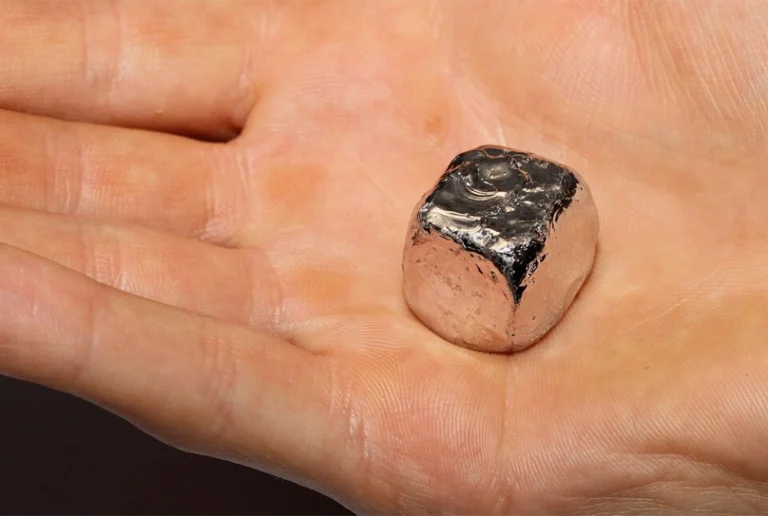
A catalyst reclamation company specializes in recovering, recycling, and disposing of spent catalysts containing precious metals like Platinum (Pt), Palladium (Pd), and Rhodium (Rh).
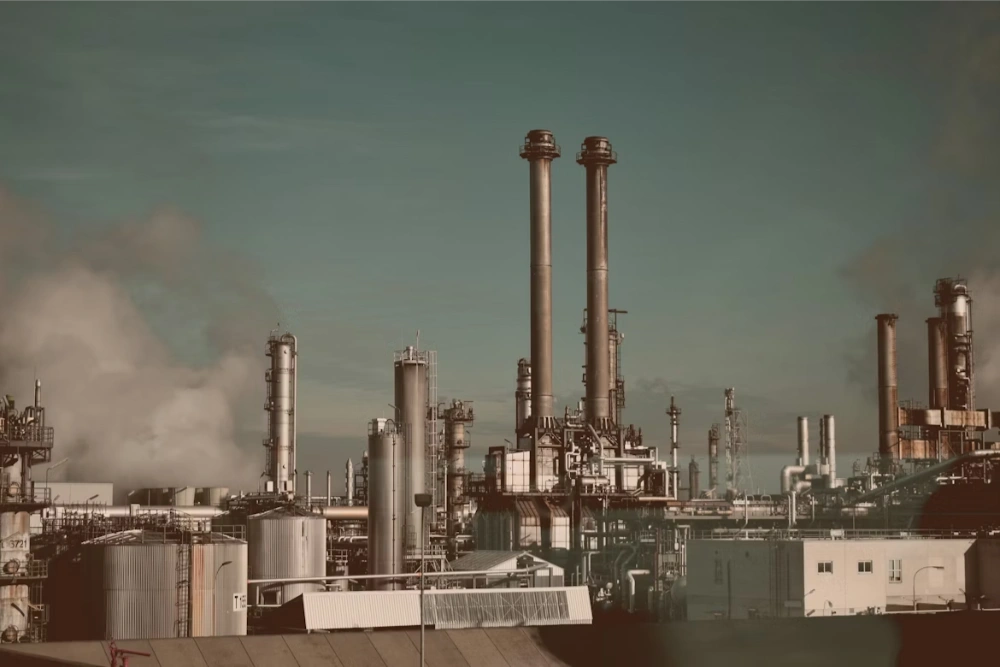
They serve industries ranging from automotive manufacturing to petrochemical refining, managing materials that have lost efficiency but retain significant metal value. Their operations balance environmental responsibility with economic value.
Reputable reclamation companies often partner with independent laboratories, such as Ledoux & Co., to verify metal content before refining. This ensures transparency and provides clients with confidence that their waste is being converted into maximum financial return while adhering to strict environmental standards.
What Is Catalyst Reclamation?
Catalyst reclamation extracts valuable precious metals from materials that have lost catalytic efficiency due to contamination.
Over time, catalysts become “spent” or poisoned, yet the precious metals within them remain intact.
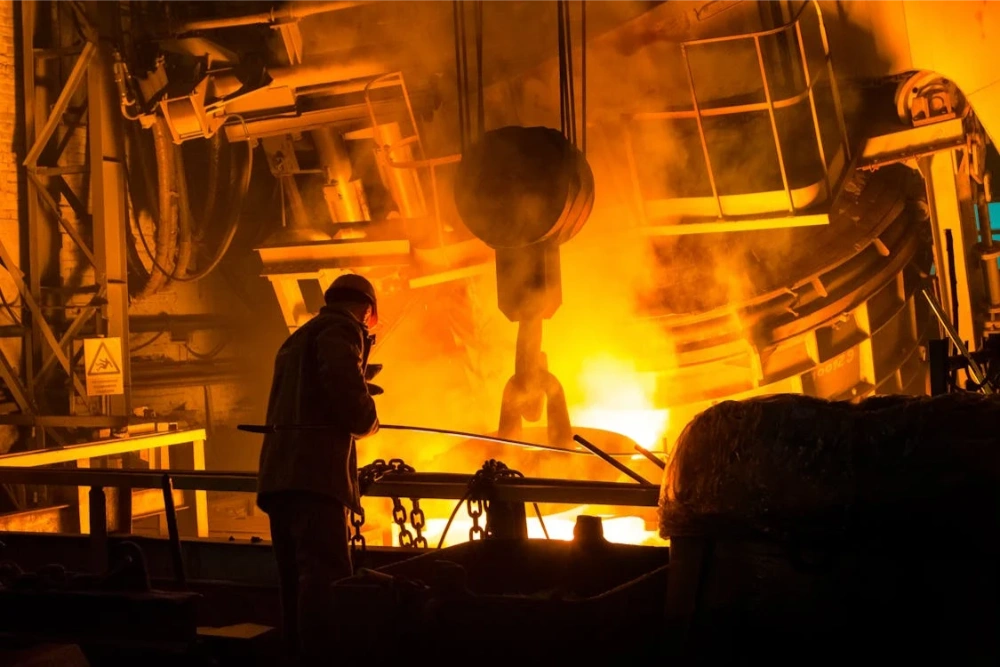
Unlike simple disposal, reclamation focuses on “urban mining”, recovering scarce resources that would otherwise be lost.
By reclaiming metals, industries reduce the need for mining virgin ore. Reclamation transforms a potential environmental liability into a productive asset, aligning industrial operations with modern circular economy goals.
Why Companies Use Catalyst Reclamation Services
Companies use these services to convert waste into revenue, ensure regulatory compliance, and meet sustainability goals. The decision is driven by financial incentives and legal necessities.
- Financial Recovery: Spent catalysts often contain high values of Platinum Group Metals (PGMs). Reclamation turns this potential waste into a significant revenue stream, recovering assets that might otherwise be discarded.
- Regulatory Compliance: In the United States, strict regulations like the Resource Conservation and Recovery Act (RCRA) govern the disposal of hazardous waste. Professional reclamation ensures legal compliance, avoiding hefty fines.
- Sustainability Goals: Recycling supports Corporate Social Responsibility (CSR) profiles by diverting waste from landfills and reducing the environmental footprint of operations.
- Supply Chain Security: Reclaiming metals helps secure a stable supply of rare materials, reducing reliance on volatile mining markets and ensuring continuity in production processes.
Common Types of Catalysts That Can Be Reclaimed
A wide variety of catalysts can be reclaimed, each requiring specific handling and analysis methods. Identifying the type is the first step toward value recovery.
- Spent Automotive Catalysts: Monolith, diesel, and wash coat converters rich in Pd, Pt, and Rh.
- Petrochemical & Refining Catalysts: Reforming, VAM, and Ethylene Oxide (EO) catalysts containing Silver, Rhenium, or Gold.
- Fresh Catalysts: Unused or off-spec materials that hold immense value.
- Industrial Catalysts: Hydrodesulfurization and hydroprocessing catalysts used in oil refining.
Different catalysts require distinct analytical approaches; for instance, fire assay is the standard for auto catalysts, while Inductively Coupled Plasma (ICP) analysis is often preferred for determining trace elements in refining catalysts.

The Catalyst Reclamation Process Explained
The catalyst reclamation process is a systematic journey from collection to financial settlement, designed to safely extract maximum value from spent materials. This multi-step approach ensures that every ounce of precious metal is accounted for and recovered efficiently, minimizing risk for the material owner.
- Collection and Transportation: The process begins with the safe logistics of moving hazardous materials from the industrial site to the processing facility, adhering to strict safety protocols and dangerous goods regulations.
- Sampling: This is the most critical step in the value chain. Obtaining a representative sample from large, heterogeneous lots is essential for accurate valuation. Errors here propagate through the entire settlement.
- Independent Analysis (Assaying): Determining the exact precious metal content happens here. Ledoux & Co. provides crucial value at this stage by delivering unbiased assay results that form the basis of financial settlements.
- Pre-Treatment: Materials undergo decanning, crushing, or grinding to prepare the physical matrix for metal extraction. This increases surface area and removes non-metallic packaging.
- Recovery/Refining: Smelting or hydrometallurgical processes are employed to extract pure metals from the treated material. The choice depends on the catalyst type and desired purity.
- Return of Value: Finally, the recovered metals are returned to the market or the client, or a financial settlement is made based on the assayed value and current market prices.
The Role of Third-Party Assaying in Catalyst Reclamation
Third-party assaying mitigates conflicts of interest and ensures financial settlements are based on accurate data.
Relying solely on the reclaimer’s assay is risky; as buyers, their numbers may favor their interests. Even a small percentage difference in assay results can mean thousands of dollars lost or gained.

“Umpire” labs settle disputes by providing definitive analysis. Utilizing ISO 17025 accredited labs ensures data is accepted globally. Ledoux & Co. has provided unbiased, commercial-grade assay results since 1880, safeguarding client financial interests with scientific integrity.
How Ledoux & Co. Supports Your Reclamation Strategy
Ledoux & Co. supports your reclamation strategy by providing independent, ISO-accredited analysis that guarantees the data used for financial transactions is precise and trustworthy.
As an independent, ISO 17025 accredited and ISO 9001:2015 certified laboratory established in 1880, we bring over a century of expertise to every sample.
We are also an affiliate member of LBMA/LPM, ensuring our results meet global standards of trust.
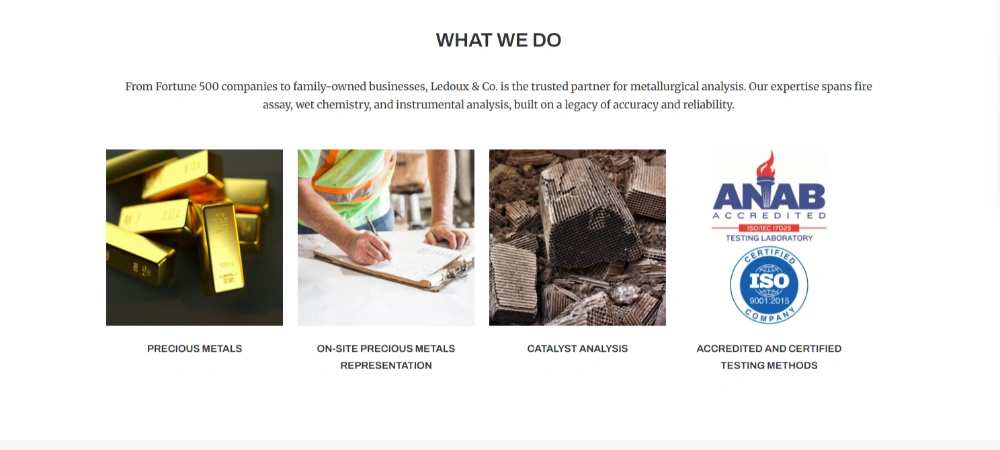
Our testing capabilities are comprehensive. We test Spent Automotive, Spent Industrial, Reforming, Fresh, EO, and VAM Catalysts using Fire Assay, ICP, and Wet Chemistry.
- Specific Analysis: Our capabilities include testing for Pd, Pt, and Rh in auto catalysts; Silver (soluble/insoluble) in EO catalysts; and Rhenium in reforming catalysts.
- On-Site Services: We act as your “eyes and ears” during sampling and weighing at processing facilities, mitigating risk and ensuring proper documentation of Loss on Ignition (LOI) and Loss on Drying (LOD).
Use our commercial-grade assays for your financial transactions to ensure you receive the full value of your materials.
Key Takeaways
Partnering with a reputable catalyst reclamation company is essential for turning spent materials into profitable assets while adhering to environmental standards. However, the key to maximizing this value lies in accurate, unbiased analysis.
Contact Ledoux & Co. today to schedule your independent catalyst analysis. Let us be your partner in achieving precise and profitable reclamation results.
FAQs
Understanding the nuances of working with a catalyst reclamation company helps you make informed decisions.
1. What is the difference between a catalyst recycler and a refiner?
A catalyst recycler typically focuses on the collection, sampling, and pre-processing of spent materials, while a refiner performs the chemical extraction of pure metals. Often, a single entity may perform both roles, but independent verification remains crucial for fair valuation.
2. Are spent catalysts considered hazardous waste?
Yes, many spent catalysts are classified as hazardous waste due to the presence of heavy metals and absorbed toxic substances, requiring strict adherence to environmental regulations during transport and processing. Proper handling prevents soil and water contamination.
3. What is a commercial-grade assay?
A commercial-grade assay is a highly precise analysis performed by an accredited laboratory that is recognized as valid for financial settlements and contracts between buyers and sellers. It differs from a preliminary test in its level of accuracy and legal standing.
4. Can I recycle catalysts from my personal vehicle?
Individual automotive catalysts are usually processed by scrap yards or aggregators who collect them in bulk before sending them to a specialized reclamation company. Individual converters generally do not contain enough volume for direct processing by large-scale reclaimers.