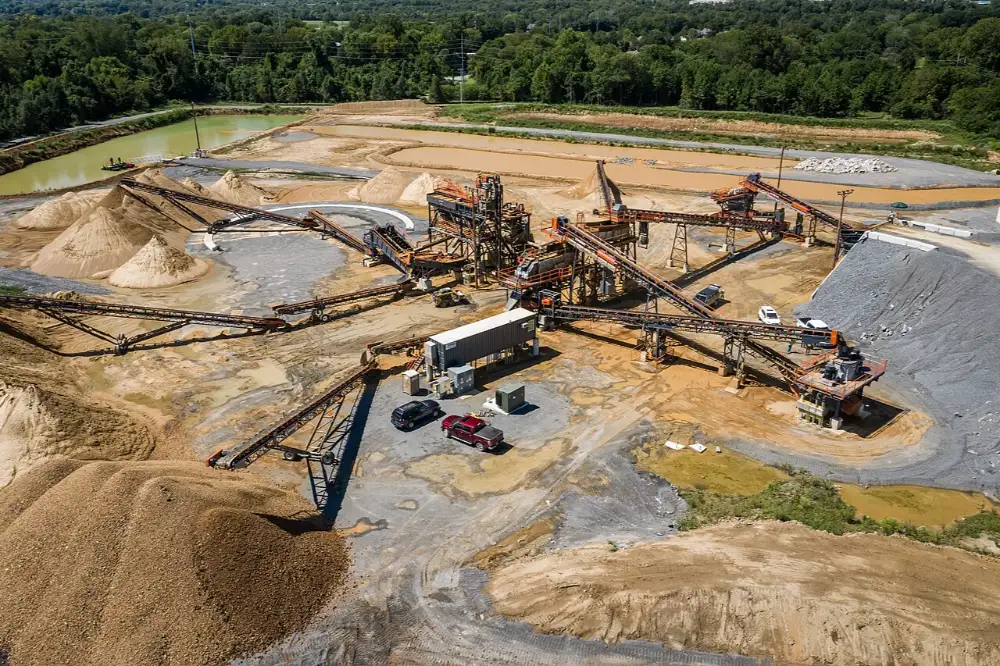
Rare earth element mining companies are the foundational pillars of the global supply chain, extracting the vital resources necessary for modern technology. The market’s complexity demands accurate material analysis to guarantee value and quality.
In this article, we explore the landscape of these mining giants and the importance of precise metallurgical testing.
The Global Landscape of Major Producers
The global landscape of rare earth production is defined by a dominant force in the East and emerging competitors in the West striving for supply chain security.
China currently exerts significant influence over the global rare earth market, with large state-backed enterprises such as China Northern Rare Earth Group playing a central role in mining and processing activities. The Bayan Obo mine in China stands as the world’s largest deposit, reinforcing the country’s position as the primary supplier. This dominance has prompted other nations to reassess their reliance on a single source.
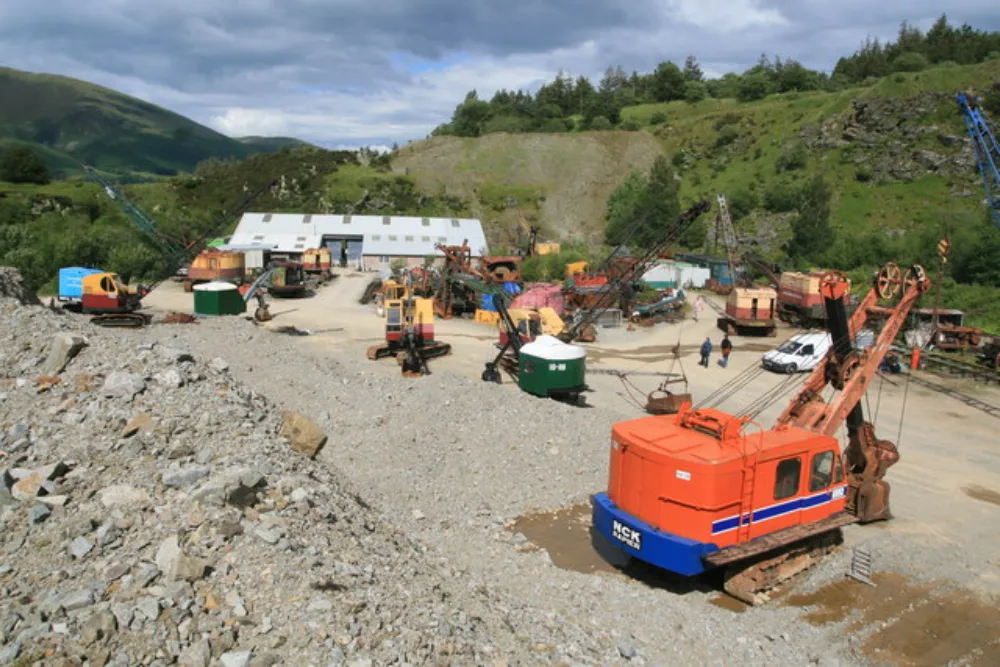
To mitigate supply chain risks, emerging global players are reshaping the industry dynamic.
Companies such as Lynas Rare Earths in Australia and MP Materials in the USA have become crucial for diversifying the supply chain. These entities are not only vital for economic balance but also serve national security interests in the West by reducing dependency on foreign processing.
Geological origin often influences impurity profiles and elemental distribution, which can affect downstream processing behavior.
The Critical Role of Mining Companies in the Supply Chain
Mining companies act as the critical starting point for complex supply chains that transform raw ores into essential components for high-tech industries.
- From Ores to Magnets and Catalysts: Mining operations extract the ore, but the value chain extends far beyond extraction. Elements like Neodymium (Nd) and Praseodymium (Pr) are critical for manufacturing permanent magnets used in electric vehicles (EVs) and wind turbines. Similarly, Lanthanum and Cerium play pivotal roles in catalysts and glass polishing, sectors where precise material composition is non-negotiable for our clients.
- The Processing Gap: Mining is merely the initial phase; the separation and refining of light versus heavy rare earths dictate the economic viability of operations. While mining operations are distributed across multiple regions, advanced separation and refining infrastructure remain geographically concentrated, creating strategic supply chain vulnerabilities.
- Dependence of Heavy Industry: Refiners and smelters rely heavily on the consistency of feedstock provided by rare earth element mining companies. Inconsistent ore quality can disrupt downstream refining processes, leading to operational inefficiencies and financial losses for heavy industry dependent on predictable material grades.
Operational Challenges Facing the Industry
The industry faces significant operational challenges, ranging from complex geology and radioactive byproducts to stringent environmental regulations and volatile market pricing.
- Extraction Complexity: Rare earth elements (REEs) are rarely found in high concentrations like gold or copper; they are scattered and often co-occur with radioactive elements such as Thorium or Uranium. This geological reality makes extraction chemically intensive, costly, and technically demanding.
- Environmental Regulations: There is immense pressure on mining companies to adhere to strict environmental standards. Proper management of tailings and waste is a major concern for investors and regulators alike, necessitating rigorous monitoring and compliance protocols.
- Pricing Volatility: Market prices for rare earth oxides are subject to fluctuations that can significantly impact the profitability of mining operations. This volatility extends to recyclers and manufacturers, who must hedge their material values to maintain financial stability amidst changing market conditions.
The Necessity of Accurate Analysis for Mining Outputs
Accurate analysis is indispensable for rare earth element mining companies to determine economic viability, ensure regulatory compliance, and facilitate fair commercial transactions.
- Valuation and Financial Transactions: Mining companies cannot sell ore or concentrate without knowing the exact grade, making commercial-grade assays essential for “umpire” analysis to settle disputes between buyers and sellers.
- Process Optimization: Metallurgical testing is vital for optimizing recovery rates, as a lack of exact data on rare earth content can lead to significant financial losses through inefficient processing.
- Regulatory Compliance: Rigorous testing ensures materials meet international shipping and safety standards, specifically regarding the management of radioactive elements often found in rare earth deposits.
Ledoux & Co.: Expert Support for Rare Earth Element Mining Companies
We provide the analytical certainty to meet the rigorous demands of rare earth element mining companies, ensuring that every sample reflects the true value of the material.
Our Capabilities in Rare Earth Material Analysis
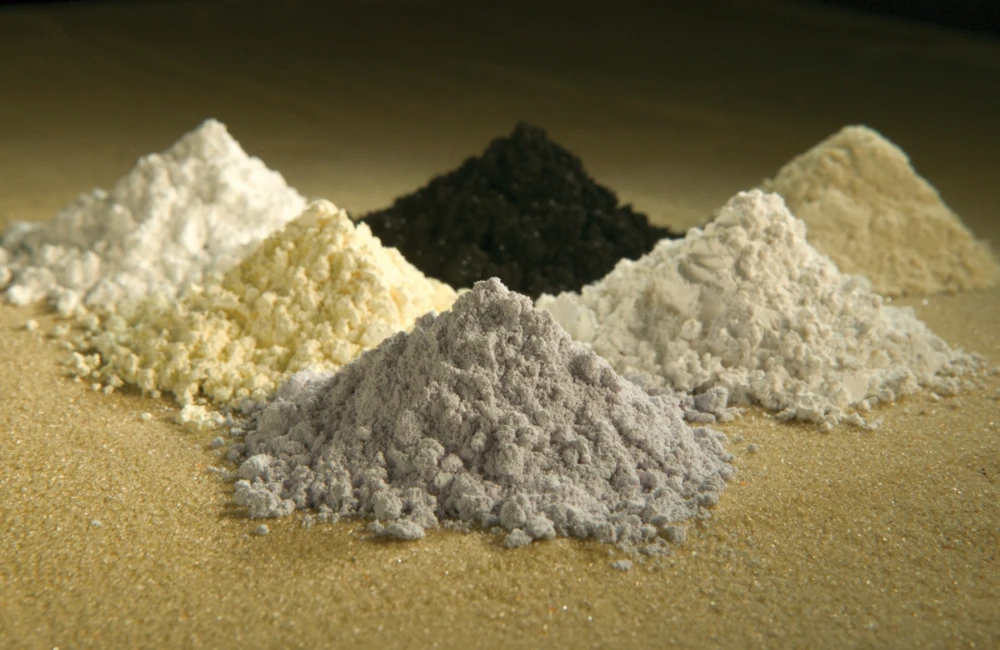
We possess the capability to test a comprehensive range of materials relevant to the sector. Our services cover the analysis of Ores, Concentrates, Mixed Rare Earth Products, and Separated Rare Earth Oxides (REOs).
Beyond raw materials, we have specific expertise in analyzing High-Purity Metals and Alloys used in the final manufacturing steps, providing a complete solution from mine to market.
How We Ensure Precision in Every Sample
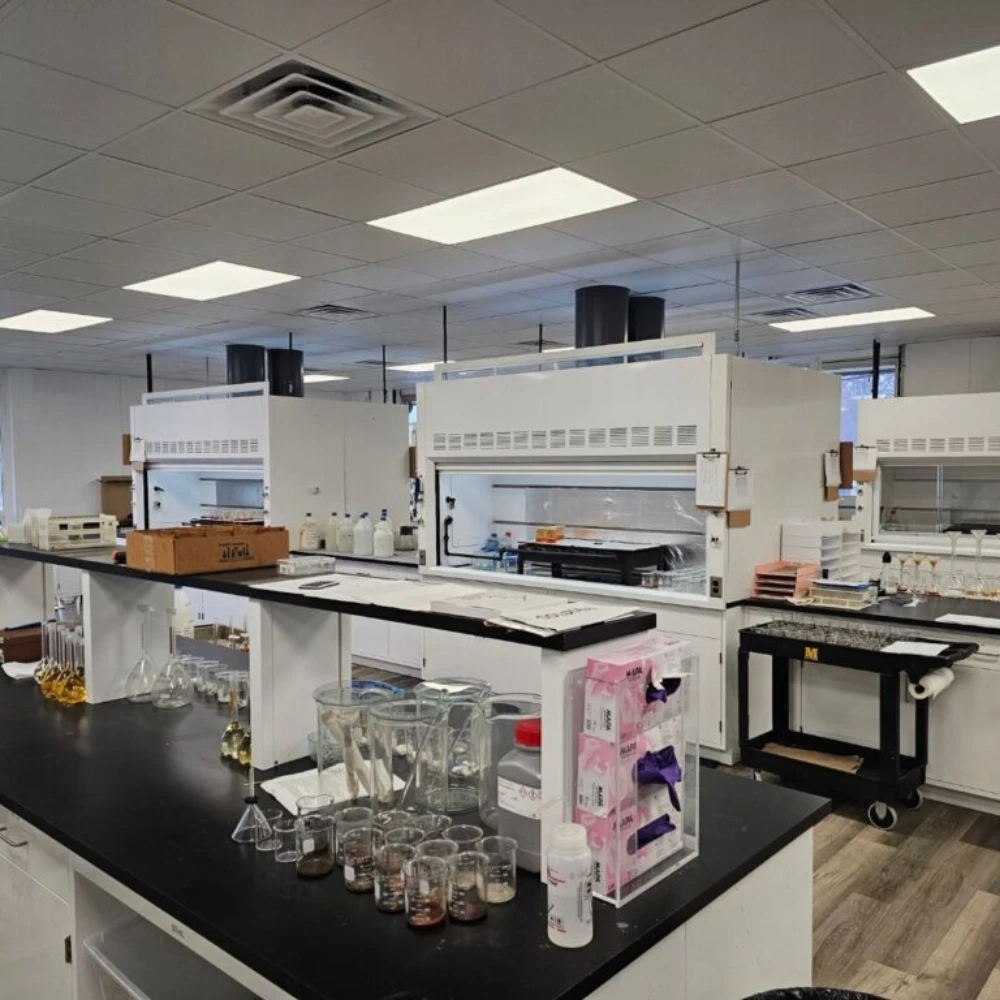
We utilize Inductively Coupled Plasma (ICP) technology to detect elements at trace levels with exceptional accuracy. Our methods are specifically optimized for complete dissolution, ensuring that no rare earth element is “trapped” inside the sample and missed during the analysis.
To guarantee the highest level of precision, we employ NIST-traceable standards, reinforcing our commitment to scientific integrity in every test result.
The Ledoux Standard of Quality Since 1880
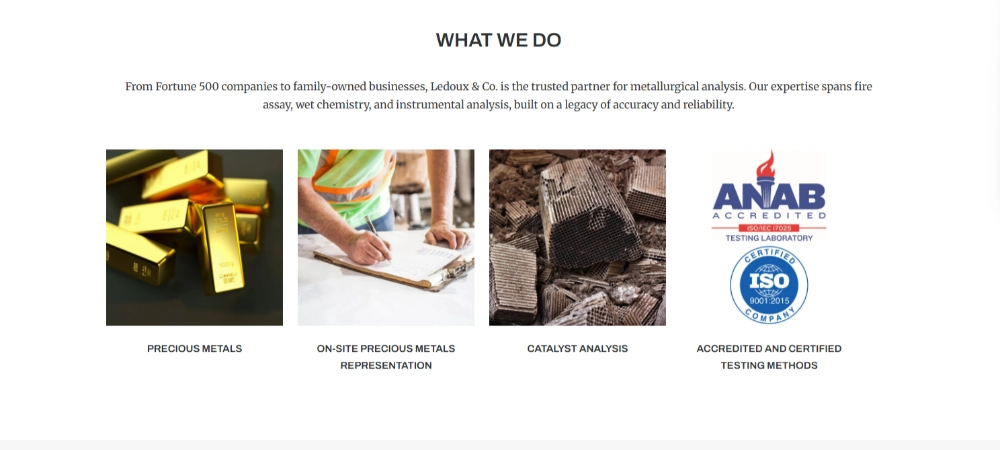
Our laboratory maintains ISO 17025 accreditation and ISO 9001:2015 certification, which are vital credentials for international trade and quality assurance. Ledoux is now also an affiliate member of LBMA/LPM, further solidifying our standing in the global market.
Since 1880, we have been the independent voice of truth in metallurgical analysis. We remain strictly unbiased; we do not buy or sell materials, we only test them. This independence ensures that our results are objective, reliable, and trusted worldwide.
Key Takeaways
Rare earth element mining companies are the backbone of modern high-tech industries, driving innovation in the automotive and electronics sectors. Navigating this complex market requires accurate data to ensure material value and regulatory compliance.
We provide the ISO 17025 accredited testing necessary to verify the quality of your ores, concentrates, and alloys. Partner with Ledoux & Co. to ensure your rare earth materials are analyzed with precision and integrity. Contact us today to discuss your testing requirements.
FAQs
Here are common questions regarding the operations and analysis needs of rare earth element mining companies.
1. What defines a “heavy” rare earth element versus a “light” one?
Heavy rare earth elements (HREEs), such as Dysprosium and Terbium, have higher atomic weights and are typically less abundant, making them more valuable than light rare earth elements (LREEs) like Cerium and Lanthanum.
2. Why is umpire analysis important for mining transactions?
Umpire analysis serves as an independent, third-party verification of metal content, resolving disputes between buyers and sellers regarding the grade and value of a shipment.
3. Can analysis detect radioactive elements in rare earth ores?
Yes, comprehensive testing methods can identify and quantify radioactive co-elements like Thorium and Uranium, which is essential for safety and regulatory compliance.
4. How does ore grade affect the profitability of a mining company?
The ore grade indicates the concentration of valuable minerals; higher grades generally lead to lower processing costs per unit of metal, directly impacting the operation’s economic viability.
5. Does Ledoux & Co. analyze recycled rare earth materials?
Yes, we analyze various materials, including spent catalysts and electronic scrap, helping recyclers determine the precious and rare earth metal content for recovery purposes.