The recovery of rare earth elements is essential for securing critical materials used in high-tech industries while mitigating supply chain risks.
As demand for clean energy technologies rises, sourcing these elements from secondary materials offers a sustainable solution. Accurate analysis is vital to determine the economic value of these feedstocks before processing begins.
The Critical Need for Recovery of Rare Earth Elements
Supply chain risks and environmental goals drive the necessity for the recovery of rare earth elements, offering a stable domestic source and significant economic opportunity.
- Supply Chain Stability: Reliance on foreign mining creates geopolitical vulnerability. Recovery establishes a secure, domestic supply chain, insulating industries from trade disruptions.
- Environmental Sustainability: Recycling secondary sources significantly reduces the toxic footprint associated with traditional mining, consuming less energy and minimizing hazardous waste.
- Economic Incentives: High-value elements like Neodymium and Dysprosium turn waste into revenue. Recapturing these materials offsets processing costs and generates profit.
- Industry Reliance: Sectors like automotive and electronics depend on REEs for motors and components. Recovery ensures the steady supply required for the green energy transition.

Primary Sources for the Recovery of Rare Earth Elements
Identifying feedstock is the first step in the recovery of rare earth elements, with electronic waste and industrial byproducts serving as the primary reservoirs for these critical materials.
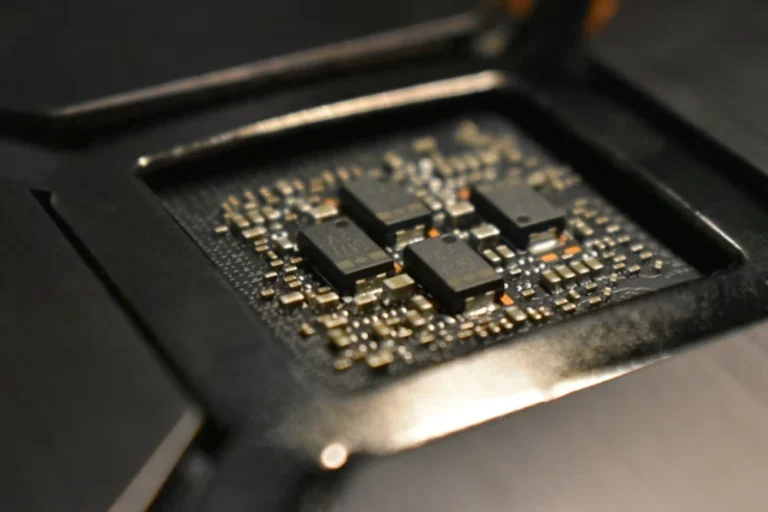
- Electronic Waste (E-Waste): Printed circuit boards, hard drives, and speakers provide a viable secondary feedstock for recovery. As e-waste volumes grow, they provide a readily available feedstock rich in valuable elements.
- Spent Magnets: NdFeB magnets from electric vehicles and wind turbines are the richest sources. Their high concentration of critical REEs makes them a primary target for efficient recycling processes.
- Industrial Catalysts: Petroleum refining uses fluid catalytic cracking (FCC) catalysts containing Lanthanum and Cerium. These spent catalysts offer a steady, high-volume stream for recovery.
- Phosphors and Glass: Fluorescent lamp phosphors and optical polishing powders are secondary sources. Though concentrations are lower, they contribute valuable diversity to the supply chain.
Modern Methods Used in the Recovery of Rare Earth Elements
Extracting value from waste requires tailored engineering solutions. We must evaluate chemical, thermal, and emerging technologies to optimize yield and cost-efficiency.
Hydrometallurgical Processes
Hydrometallurgy utilizes aqueous chemistry to dissolve and separate target elements.
The process typically begins with leaching using acids, such as sulfuric or hydrochloric acid, to dissolve REEs from the solid matrix.

Solvent Extraction (SX) then employs organic solvents to selectively pull REEs from the solution. While effective, this method requires precise chemical control to manage wastewater and maximize recovery rates.
Pyrometallurgical Techniques
Pyrometallurgy offers a robust alternative for treating complex waste streams by utilizing high temperatures to separate metals based on their physical properties.
- High-Temperature Separation: This method involves heating the waste material to separate metals based on their different melting points or densities. It is particularly useful for treating complex waste that may not respond well to chemical leaching.
- Energy Considerations: While robust, pyrometallurgy can be energy-intensive due to the high temperatures required. Operators must balance the energy cost against the value of the recovered material.
- Slag Processing: This process often creates a “slag” or metal concentrate that requires further analysis and refining to isolate the pure rare earth elements. The residue produced must be accurately tested to ensure all value has been captured.
Emerging Direct Recycling Technologies
Innovations like Ionic Liquids and electrochemical recycling aim to bypass high heat or harsh acids. These methods often operate at lower temperatures, reducing environmental impact.
Another innovative approach involves “Urban Mining” technologies that attempt to recover magnets intact for direct reuse without melting them down.
Regardless of the specific technology used, the input material must be accurately tested to determine if the energy cost of recovery is justified by the material’s value.
The Role of Accurate Analysis in the Recovery of Rare Earth Elements
The recovery of rare earth elements relies on precise laboratory data to ensure profitability, process efficiency, and final product quality.
- Determining Economic Viability: You cannot recover what you have not measured. Accurate assay results define the financial blueprint, preventing investment in low-grade materials.
- Process Optimization: Detailed analysis allows engineers to adjust recovery methods based on feedstock composition.
- Adjusting acid concentration in leaching baths.
- Identifying impurities that interfere with extraction.
- Modifying parameters for specific ore types.
- Quality Control and Risk Mitigation: Analysis ensures recovered REEs meet purity standards for resale. Furthermore, testing prevents financial loss by identifying impurities that could damage expensive equipment.
Partner with Ledoux for Reliable Recovery of Rare Earth Elements Data
Navigating the complexities of REE recycling requires a laboratory partner with the technical expertise to handle diverse matrices. Ledoux & Co. provides the ISO-accredited data necessary to ensure your operations are profitable and compliant.
Comprehensive Testing Capabilities
We handle a wide array of materials, ensuring that no matter the feedstock, we can provide the data you need.
- Raw Materials: We test ores, concentrates, and mixed rare earth products.
- High-Value Products: Our team analyzes separated rare earth oxides (REOs), metals, and alloys.
- Industrial Feedstock: We specialize in catalysts, magnets, ceramics, and difficult matrices others may reject.
Advanced Instrumental Techniques
Our laboratory utilizes state-of-the-art instrumentation to detect both major and trace levels of rare earth elements.
We employ Inductively Coupled Plasma Optical Emission Spectroscopy (ICP-OES) and Inductively Coupled Plasma Mass Spectrometry (ICP-MS) to provide precise quantification.
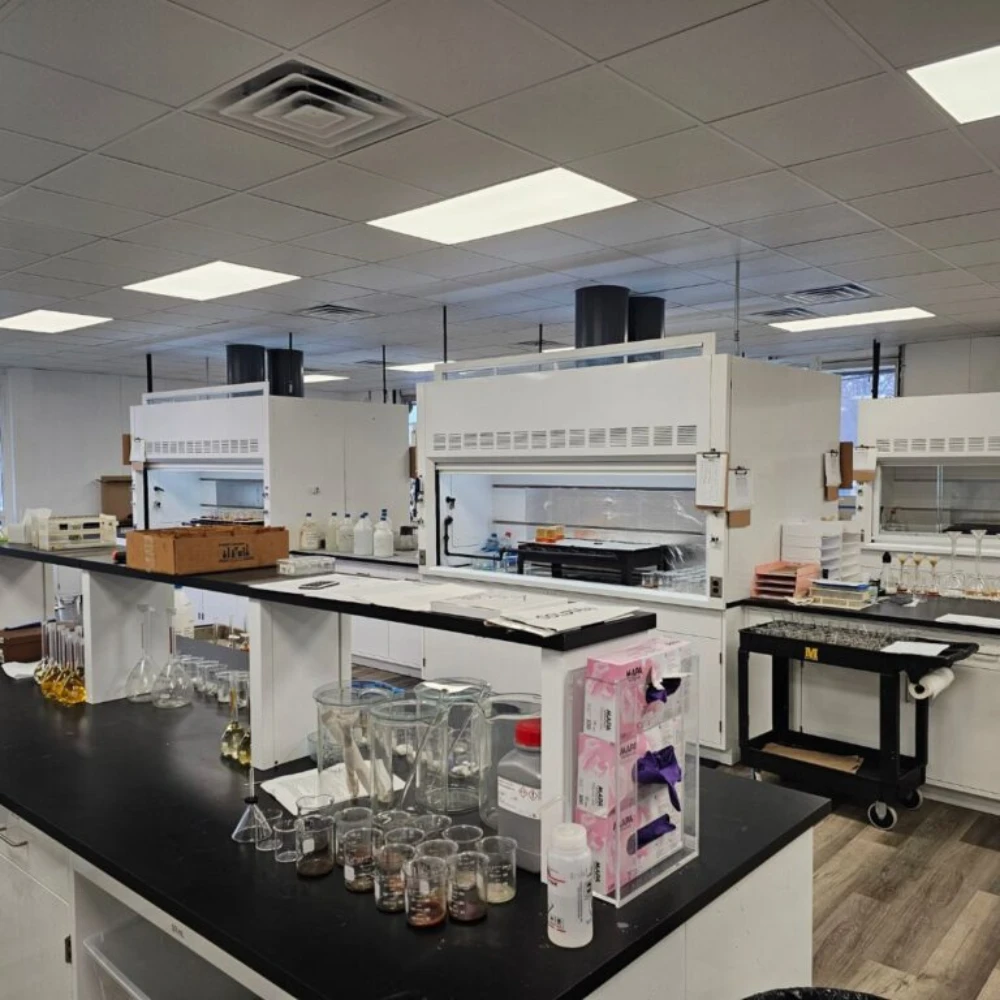
A critical step in our process is our rigorous digestion protocol; we apply appropriate digestion or fusion protocols to ensure complete dissolution.
Additionally, we offer Custom Method Development for unique materials that standard testing methods cannot cover, ensuring that your specific analytical challenges are met with scientific rigor.
The Ledoux Commitment to Accreditation and Integrity
Trust is the currency of the testing industry, and we safeguard it through strict adherence to international standards and unbiased practices.
- ISO Accreditation: We maintain ISO 17025 accreditation and ISO 9001:2015 certification as proof of our technical competence and quality management systems.
- Industry Recognition: Ledoux is now an affiliate member of LBMA/LPM, reinforcing our standing in the global metals community.
- Independence: As an independent laboratory, we do not buy or sell metals, meaning our results are unbiased and trusted for umpire purposes.
Key Takeaways
The recovery of rare earth elements is essential for supply chain security and environmental sustainability. Success relies on precise identification of material content to maximize yield and profitability.
Ledoux & Co. provides the independent, ISO-accredited analysis needed to navigate this complex market. Partner with us to unlock the true value of your materials; contact Ledoux today for a consultation.
FAQs
Answering common questions helps clarify the technical and economic aspects of the recovery of rare earth elements.
1. Can rare earth magnets be recycled indefinitely?
Yes, the metallic elements do not degrade and can theoretically be recycled repeatedly. The process must ensure the recovered metal meets purity standards for reuse.
2. Is urban mining more expensive than traditional mining?
Urban mining avoids exploration costs but incurs expenses for collection and separation. Advances in technology are steadily making it more cost-competitive than opening new mines.
3. Do I need to clean my scrap material before sending it for analysis?
No, the analysis determines the content of the scrap as-is. Our lab handles complex matrices, though a representative sample of the entire lot is crucial.