The extraction of rare earth elements is a multi-stage process vital for modern technology, involving complex separation from host ores. These elements drive innovation in smartphones, electric vehicles, and catalysts.
Despite their relative abundance, their dispersed nature demands precise analysis throughout the value chain to ensure profitability and quality.
Rare Earth Elements Extraction Process
Rare earth elements (REEs) do not exist in pure metallic forms in nature but within mineral ores like monazite and bastnäsite.
The initial mining phase is complicated by the presence of radioactive elements such as thorium and uranium, necessitating careful handling.
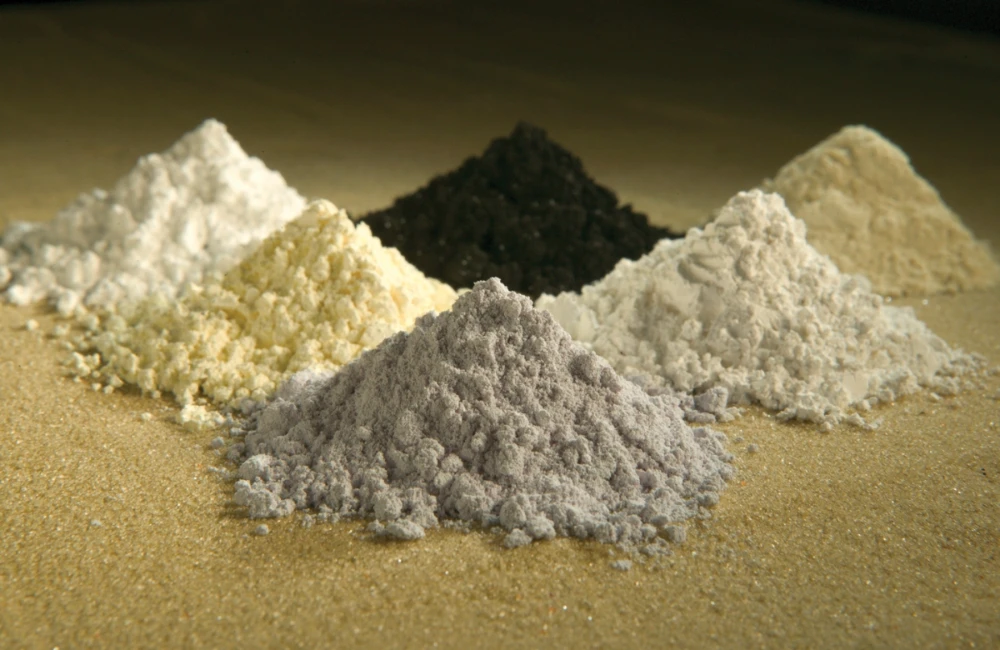
Therefore, the extraction of rare earth elements is not merely digging but a sophisticated chemical process to separate REEs from host rock.
Before chemical extraction begins, the ore undergoes physical separation, crushing, grinding, and gravity separation, to concentrate the valuable minerals.
5 Primary Techniques for the Extraction of Rare Earth Elements
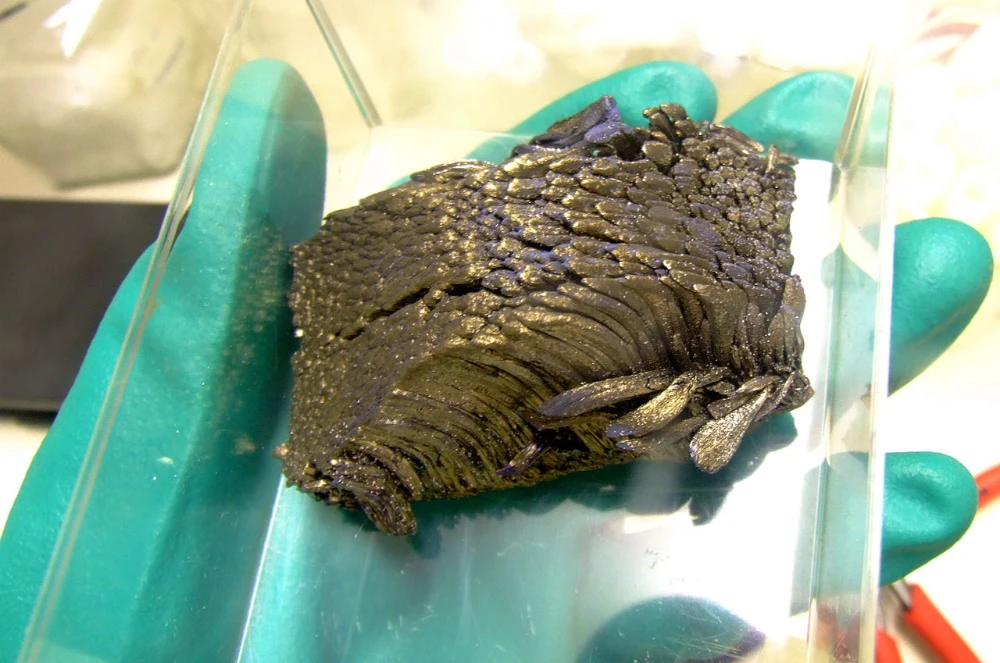
The industry relies on several established methods to isolate these critical materials, each suited to specific mineral types and desired purity levels.
- Hydrometallurgy (Mainstream Method): Hydrometallurgy is the mainstream method for initial processing, utilizing acids or alkaline solutions to dissolve REEs from the concentrate.
- Acids like sulfuric or hydrochloric acid create a “leachate” solution containing the rare earths.
- This transfers elements from solid ore into a liquid phase for further processing.
- The method is highly effective for breaking down monazite and bastnäsite concentrates.
- Solvent Extraction (Liquid-Liquid Extraction): Solvent extraction is the industry standard for separating individual REEs from the mixed leachate.
- The process involves mixing the aqueous solution with an organic solvent to separate specific elements based on their differing chemical properties.
- Through multiple stages of mixing and settling, individual rare earth elements are purified, allowing for the isolation of high-value elements like neodymium.
- Ion Exchange: Ion exchange is a specialized method often reserved for separating heavy rare earth elements that require exceptionally high purity. This technique uses resins to selectively adsorb REEs from a solution. It provides a level of separation difficult to achieve with solvent extraction alone, though it is typically more expensive and slower.
- Pyrometallurgy: Pyrometallurgy involves the use of high-temperature furnaces to break down mineral structures. It offers an alternative route for minerals resistant to acid leaching, treating the concentrate at elevated temperatures to remove impurities or alter the mineral structure before further separation.
- Physical Processing (Concentration): Before chemical processing begins, physical processing methods such as gravity separation and flotation are employed to upgrade the ore.
- Removes the majority of gangue (waste) material.
- Significantly increases the grade of the feed entering the chemical extraction circuit.
- Reduces the volume of reagents required downstream, directly impacting economic viability.
Challenges in the Extraction of Rare Earth Elements
Extracting rare earth elements presents significant hurdles ranging from environmental management to complex chemical separation. Successfully navigating these obstacles requires deep technical expertise and rigorous quality control.
Managing Radioactive Byproducts and Waste
The extraction process must manage radioactive elements safely because REE ores frequently contain thorium and uranium, requiring specialized containment.
- Tailings and waste water must be treated to prevent environmental contamination.
- Regulatory compliance adds significant capital and operational costs.
- Long-term storage solutions for radioactive residues are a mandatory project component.
The Difficulty of Separating Similar Elements
Separating rare earth elements is chemically difficult due to the “Lanthanide Contraction,” where elements possess nearly identical ionic radii.
- Adjacent elements like Neodymium and Praseodymium require hundreds of stages to achieve high-purity separation.
- Small variances in pH or temperature can lead to cross-contamination.
- Precise monitoring is essential to maintain yield and product purity.
Economic Implications and Reagent Costs
The high consumption of reagents significantly impacts profitability because fluctuating costs of acids and solvents require precise assay data for optimization.
The leaching and separation processes consume vast quantities of chemicals, representing a major portion of operating costs. Overdosing wastes money, while underdosing results in lost recovery and valuable resources left in the tailings.
Why Precise Analysis Is Vital for the Extraction of Rare Earth Elements
Without accurate analytical data, extraction operations risk significant financial losses and operational inefficiencies. Laboratory analysis is the backbone for decision-making at every stage of the value chain.
Monitoring Quality During Rare Earth Extraction
Monitoring quality is essential for economic viability, requiring analysis at the ore grade, interim process, and final product stages.
- Ore Grade Analysis: Determines the economic viability of raw material before processing begins.
- Interim Process Control: Tests solutions during leaching to optimize reagent use and maximize recovery.
- Final Product Certification: Verifies that separated oxides or metals meet strict purity standards for manufacturers.
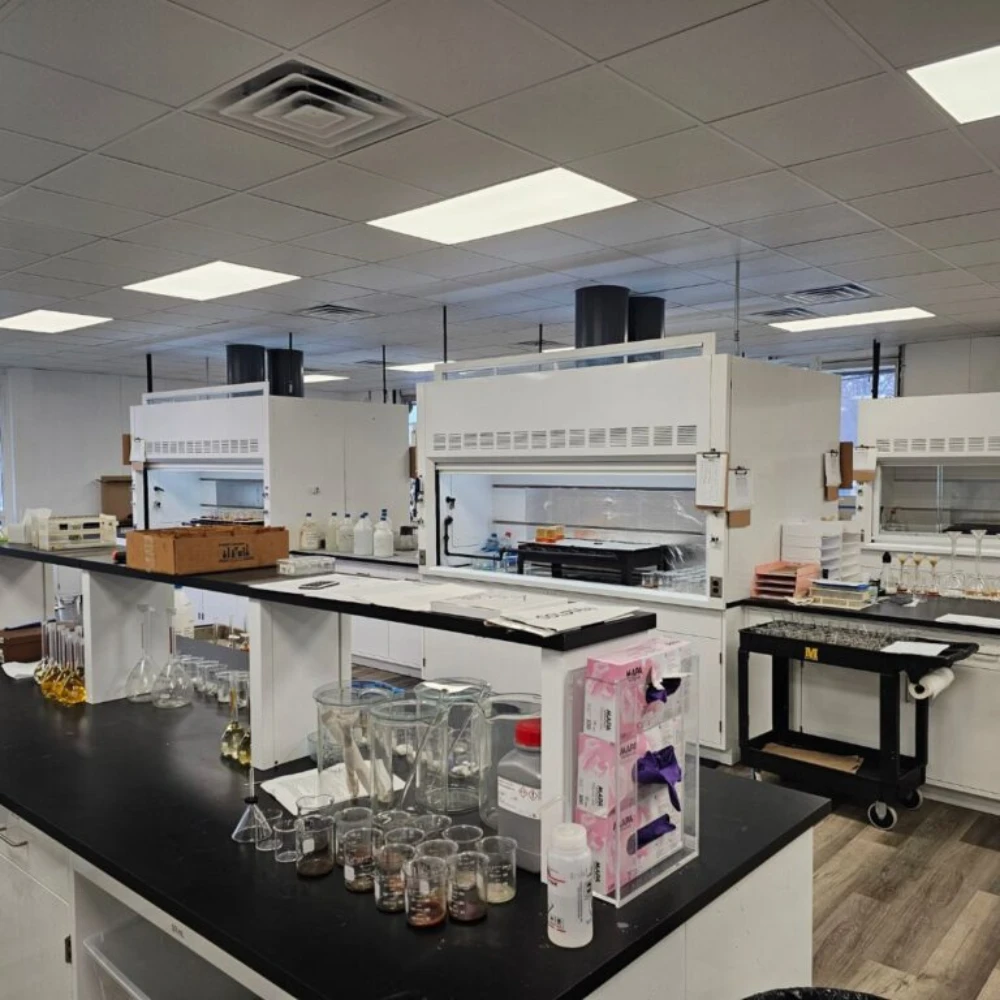
Advanced Methods for Accurate REE Quantification
Accurate quantification relies on advanced instrumental techniques because simple analysis methods like visual inspection are insufficient for trace-level precision. Inductively Coupled Plasma (ICP) techniques have become the industry standard for this purpose.
- ICP-OES (Optical Emission Spectroscopy): Ideal for higher concentration levels in ores and concentrates.
- ICP-MS (Mass Spectrometry): Essential for detecting trace impurities and separating heavy rare earth elements with high precision.
Ensuring Fair Trade with Commercial-Grade Assays
Commercial-grade assays serve as the legal basis for financial settlements, ensuring fair trade by providing an unbiased determination of value.
In the REE market, trading relies on trust; buyers and sellers need a third-party “umpire” to determine the exact metal content. These assays prevent costly disputes and are often required to have ISO 17025 accreditation for international acceptance.
How Ledoux & Co. Enhances Your Rare Earth Elements Extraction Projects
Ledoux & Co. brings over a century of analytical expertise to support the complex needs of the rare earth industry. Our ISO 17025 accredited laboratory provides the defensible data required for commercial success.
Comprehensive Material Testing Services
We offer comprehensive testing services covering the entire value chain, from raw ores to finished products.
- Materials: Ores, concentrates, intermediates, mixed rare earth products, separated REOs, metals, and alloys.
- Recycling Support: Testing for industrial products like catalysts and magnets (fresh and spent).
- Custom Solutions: Method development tailored for unique or difficult sample matrices.
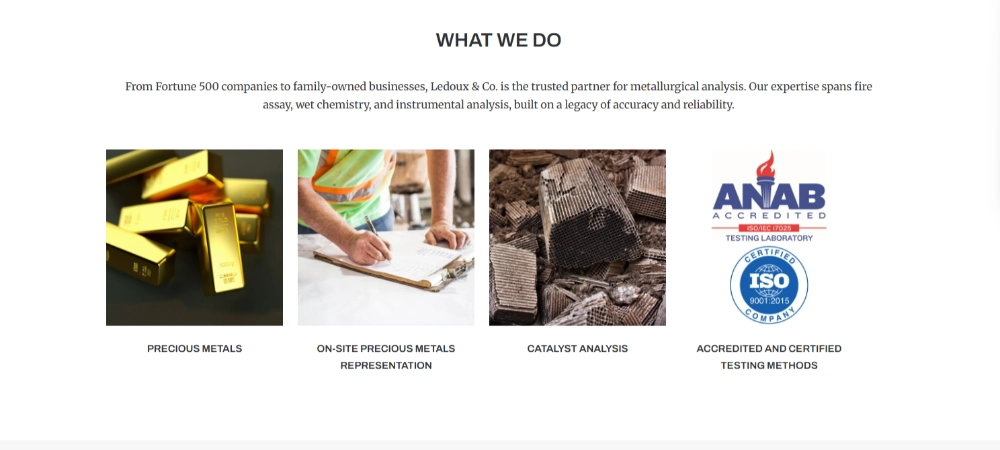
Quality Assurance at Ledoux & Co.
Our commitment to quality is demonstrated through rigorous standards and independent verification.
- Ledoux is now an affiliate member of LBMA/LPM.
- We maintain ISO 17025 accreditation and ISO 9001:2015 certification.
- We utilize NIST-traceable standards to ensure every assay is defensible.
- We act as an unbiased “umpire” for buyers and sellers.
Why Representative Sampling Matters for Extraction
Accurate analysis depends on representative sampling, as a non-homogeneous sample yields data that does not reflect the actual value of the lot. We require a homogeneous, representative sample, typically 100 grams of 70-mesh ground material, to ensure the assay accurately reflects the whole lot. We also consult with clients on proper sampling techniques to minimize error before the material reaches our lab.
Key Takeaways
The extraction of rare earth elements remains a sophisticated industrial challenge requiring rigorous chemical expertise and precise oversight. From managing radioactive byproducts to verifying purity, accurate analysis is the linchpin of profitability.

Partner with Ledoux & Co. to secure ISO 17025-accredited precision that safeguards your investment. Contact us today to ensure your extraction processes are backed by the industry’s most trusted analytical data.
FAQs
To further clarify the complexities of the extraction of rare earth elements, we have compiled answers to frequently asked questions.
1. Are rare earth elements actually rare?
Despite their name, they are relatively abundant in the Earth’s crust but rarely found in economically concentrated deposits. This dispersal makes mining and processing technically challenging.
2. Can rare earth elements be recycled?
Yes, recycling from electronic waste, spent magnets, and catalysts is a growing source of supply. We provide testing services to determine the valuable content in these recycled materials.
3. What is the difference between light and heavy rare earth elements?
Light rare earth elements are more abundant and easier to process, while heavy rare earth elements are scarcer. Heavy variants often command higher value due to their critical role in high-tech applications.