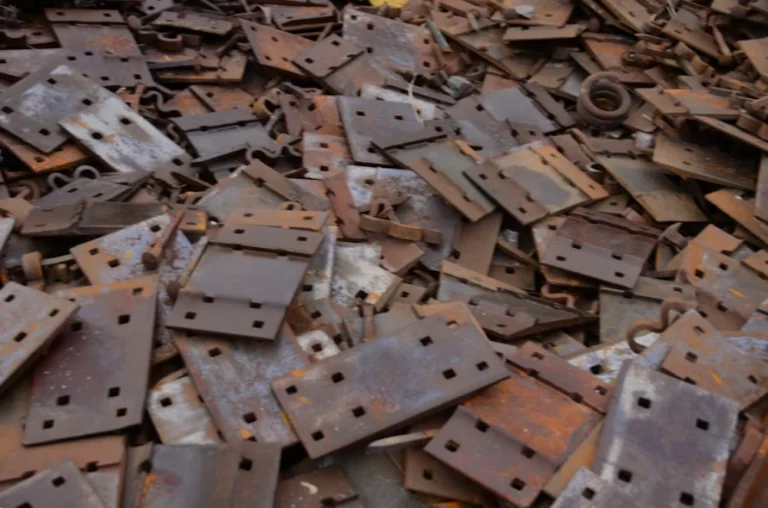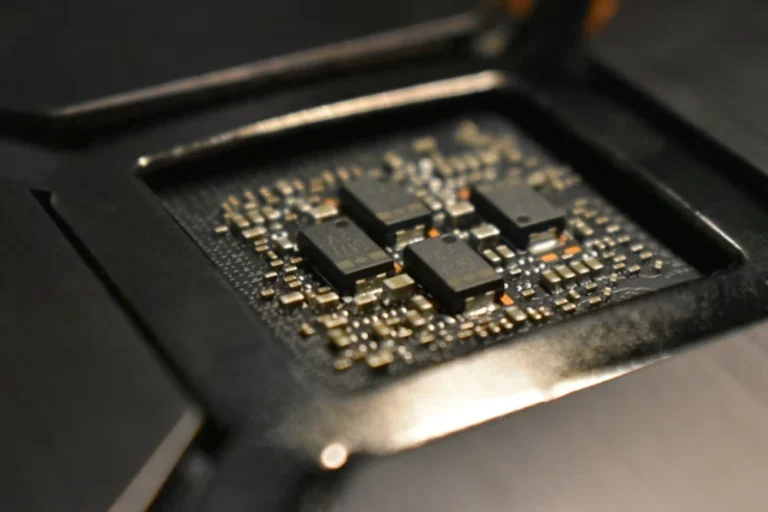

Computer precious metal recovery transforms electronic waste into a lucrative resource through the systematic extraction of valuable metals. Often termed “urban mining,” this process targets gold, silver, palladium, and copper hidden within devices.
The primary challenge for recyclers lies in determining the exact value of these materials before refining begins.
What Precious Metals Are Hidden Inside Your Computers?
Computers contain a hidden reservoir of valuable metals within specific hardware components, though concentration varies based on age and model.
While exteriors appear mundane, internal components like CPUs, RAM sticks, motherboards, and connectors are rich in resources. Visual estimation is notoriously unreliable; therefore, chemical analysis is required to ascertain actual percentages.

The specific metals found in these components include:
- Gold (Au): This metal is extensively used in connectors, pins, and as plating on circuit boards because of its superior corrosion resistance.
- Silver (Ag): Found in conductors and some solders, silver offers the highest electrical and thermal conductivity of any metal.
- Palladium (Pd) & Platinum (Pt): Palladium is commonly used in multilayer ceramic capacitors; platinum may be present in certain hard drive components in smaller quantities.
- Copper (Cu): While less valuable per ounce, copper is extensively used for wiring and circuitry traces, making up the bulk of the metallic weight.
Older equipment often contains higher grades of precious metals, as miniaturization has reduced metal usage in modern electronics.
The Dual Benefits of Recovering Precious Metals from Computers
Extracting metals from e-waste offers compelling economic and environmental advantages over traditional mining. The concept of “urban mining” has gained traction as global e-waste volumes rise, providing distinct incentives for recyclers and manufacturers.
- Economic Incentive: Recovering metals from e-waste is often significantly cheaper and more profitable than mining virgin ore. The concentration of precious metals in electronic scrap is frequently much higher than in naturally occurring deposits, requiring less energy to extract.
- Environmental Necessity: Proper recovery prevents hazardous materials like lead and mercury from contaminating landfills. By isolating valuable metals, we ensure toxic byproducts are managed responsibly.
- Circular Economy Support: Accurate analysis allows manufacturers to reintroduce pure, recovered metals back into the supply chain. This reduces the reliance on new resource extraction and promotes sustainable manufacturing.
- Profitability Assurance: For recyclers, the profitability of the entire operation hinges on knowing the exact metal content before selling to a refinery, preventing financial loss through undervaluation.
The Technical Process of Recovery and Refining
Efficient computer precious metal recovery relies on a sequence of mechanical and chemical processes designed to isolate target metals from non-metallic waste. The process transforms complex assemblies into raw materials ready for smelting or leaching.
Mechanical Processing and Shredding
The initial phase involves physical dismantling to liberate metals from housings and create a processable concentrate. This stage reduces the size of the equipment and facilitates the separation of components.
Operators use magnetic separation to remove ferrous metals like steel and air classification systems to separate lighter plastics from heavier metallic fractions.
This physical step creates the “concentrate” that we later test in our lab, serving as the foundation for all subsequent chemical analysis.
Hydrometallurgical vs. Pyrometallurgical Methods
Two primary industrial methods are employed to isolate pure metals, each with distinct requirements.
- Pyrometallurgy (Smelting): Uses high heat to melt metals and separate them from slag. Effective for large volumes but energy-intensive.
- Hydrometallurgy (Leaching): Uses chemical solutions to dissolve precious metals. Useful for specific recovery but requires careful waste management.
Regardless of the method, the starting material must be assayed to ensure the process is economically viable.

The Critical Role of Representative Sampling
The accuracy of any assay is predicated on the quality of the sample, making proper preparation the most vital step in the testing sequence.
A sample is only useful if it accurately represents the entire lot of scrap. One of the significant risks in computer precious metal recovery is the “nugget effect,” where a few gold-rich pieces skew the data if the sample is too small or poorly mixed.
To mitigate this, we require 70-mesh ground material to ensure homogeneity, ensuring that gold is evenly distributed and not concentrated in isolated nuggets.
The Critical Importance of Accurate Assay Services
Reliable financial settlements demand analytical precision that exceeds the capabilities of standard field-sorting equipment. In the high-stakes world of precious metal trading, an “estimate” is not sufficient for a commercial transaction.
A common misconception is that handheld XRF guns are sufficient for valuation. While useful for sorting, they are not precise enough for commercial transactions because they analyze only the surface.
To achieve the necessary precision, we utilize Fire Assay and ICP (Inductively Coupled Plasma) methods. These techniques determine trace levels of Gold, Silver, and PGMs with high precision.
Furthermore, we employ Loss on Drying (LOD) and Loss on Ignition (LOI) tests. These determine moisture and organic content, ensuring you do not pay for plastic weight as if it were metal. Accredited results protect against “under-selling” and prevent disputes.
Partnering With Ledoux for Reliable Computer Precious Metal Recovery Testing
We provide the comprehensive testing and on-site services necessary to verify your material’s true worth.
The Ledoux Commitment to Quality
Our legacy of accuracy is backed by international certifications that validate the integrity of our data. Ledoux & Co. is ISO 17025 accredited and ISO 9001:2015 certified.

Furthermore, Ledoux is now an affiliate member of LBMA/LPM. This accreditation means our data is traceable to NIST standards, ensuring that our results are scientifically valid and globally accepted.
Our rigorous QA/QC procedures minimize the risk of reporting errors, protecting your financial interests in every transaction.
How to Prepare Your Sample for Ledoux
To ensure accuracy, proper sample preparation is essential. We require a homogeneous, representative sample to proceed.
- Requirement: 30-to-100 grams of 70-mesh ground material.
- Necessity: This consistency ensures gold is evenly distributed, eliminating the “nugget effect.”
- Moisture: We provide guidance on handling Loss on Drying (LOD) corrections for wet materials.
On-Site Representation for Large Lots
For large-scale operations, we mitigate risk by providing independent oversight during the critical weighing and sampling phases. We offer on-site representation at processing facilities worldwide.

Our representatives act as your “eyes and ears,” monitoring the weighing and sampling of large computer scrap lots.
This service is critical for eliminating the risk of theft or poor sampling practices by a refiner or smelter, ensuring the sample drawn truly represents the material you are selling.
Key Takeaways
Accurate assay is the foundation of profitable computer precious metal recovery, Guesswork leads to financial loss; precise analysis guarantees fair value. Using an accredited lab guarantees results are traceable and defensible.
From electronic scrap analysis to on-site representation, we cover all aspects of precious metal verification. Contact Ledoux & Co. today to verify your materials and maximize your returns.
FAQs
Understanding the nuances of computer precious metal recovery helps recyclers maximize returns and ensure compliance.
1. Can I send whole circuit boards to the lab for testing?
No, we require processed samples because whole boards are not homogeneous. You must grind material to 70-mesh to ensure the sample represents the entire lot accurately.
2. What is the difference between a sorting estimate and a commercial assay?
A sorting estimate provides a rough categorization, while a commercial assay provides precise data for buying and selling. Only a commercial assay offers necessary accuracy for contracts.
3. Does Ledoux provide sampling services?
Yes, we offer on-site representation to monitor sampling and weighing of large lots. This ensures the sample collected is representative and prevents discrepancies during refining.