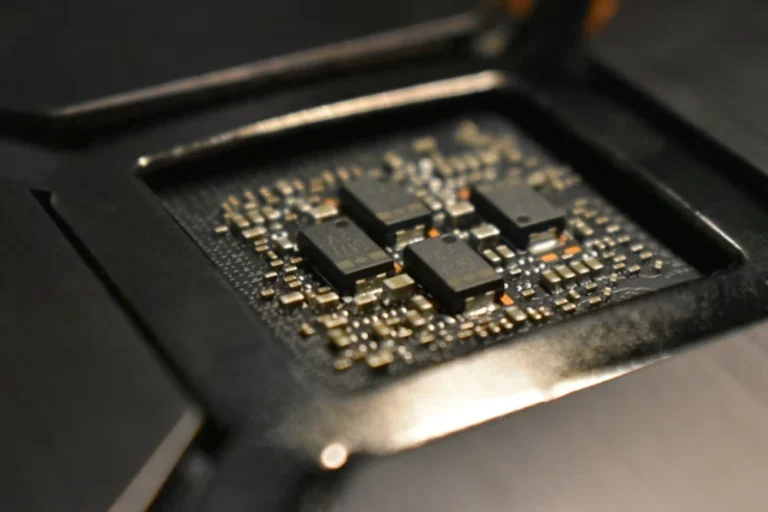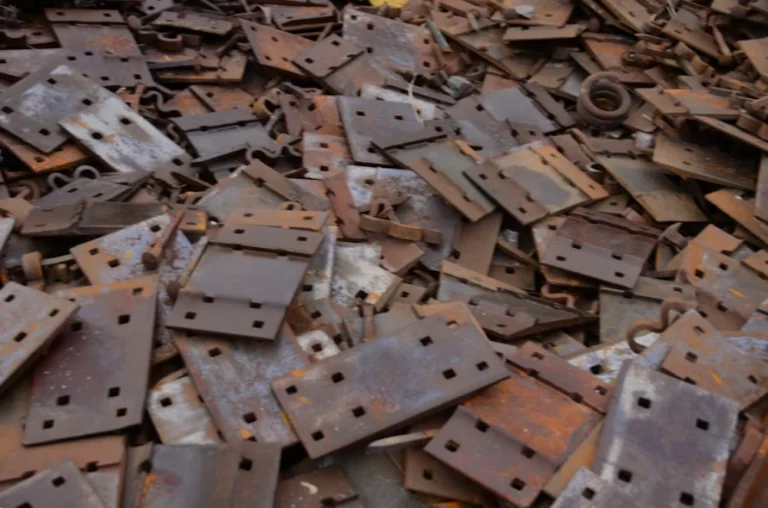

Rare earth element processing is the pivotal stage that converts raw ore into the critical materials required for advanced technology.
Optimizing this complex supply chain is essential for economic viability and product quality. Since 1880, we have supported the metallurgical industry for stakeholders to navigate these challenges successfully.
Understanding the Rare Earth Element Processing Lifecycle
The lifecycle of processing rare earth elements is a multi-stage journey involving physical and chemical transformations to isolate valuable elements from the host rock. Each phase, from mining to leaching, presents unique technical hurdles that require precise monitoring to ensure profitability.
- Mining and Beneficiation: Rare earth elements are typically dispersed in low concentrations, necessitating extensive initial processing.
- The ore undergoes crushing and grinding to liberate rare earth minerals from waste rock.
- Physical separation techniques, such as flotation and magnetic separation, increase the concentration of rare earth oxides.
- This pre-concentration is vital for reducing the volume of material entering chemical stages, thereby lowering costs.
- Cracking and Leaching: Concentrated minerals are subjected to aggressive chemical treatments to decompose the structure and dissolve the elements.
- High-temperature acid baking or alkali cracking breaks down the refractory minerals.
- Water or acid leaching dissolves the rare earths into a solution for further processing.
- Operators must carefully manage the co-dissolution of radioactive elements like thorium and uranium often found in the ore.
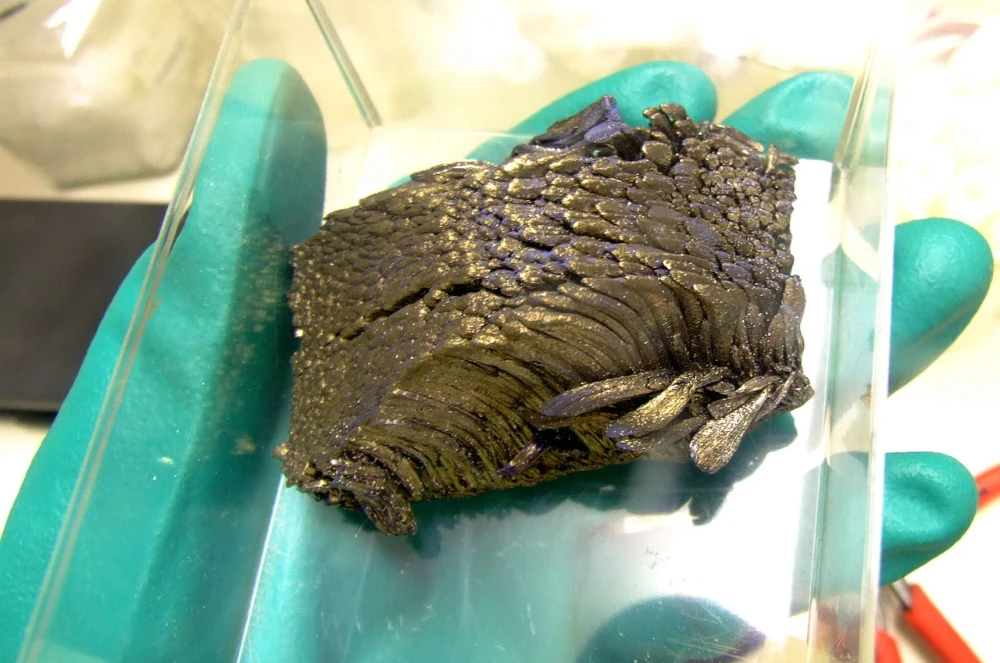
Processors cannot rely on estimates when dealing with variable ore bodies. Early-stage analysis is critical for determining the exact composition of the feed material. This data-driven approach ensures that the rare earth element processing chain remains economically viable from the outset.
Advanced Methods for Separating Rare Earth Elements
Success in this phase requires sophisticated engineering solutions, specifically solvent extraction and ion exchange, to achieve the purity levels demanded by high-tech industries.
How Solvent Extraction Separates REEs
Solvent extraction is the primary method for separating rare earth elements. Because these elements share nearly identical chemical behaviors, separating them requires hundreds of mixing stages.
In this process, the aqueous leach solution is mixed with an organic solvent containing specific extractants. These extractants selectively pull certain rare earth elements into the organic phase based on subtle differences in solubility, allowing operators to systematically isolate individual elements.
Ion Exchange for High-Purity Results
While solvent extraction is efficient for bulk separation, ion exchange is preferred for heavy rare earth elements or ultra-high purity requirements. This technique uses resins to selectively adsorb rare earth ions from a solution.
As the solution passes through the resin bed, different elements elute at varying rates, resulting in sharp separation. Although typically slower, this method is indispensable for applications requiring purity levels approaching 99.999%.
Meeting Industry Standards for REE Purity
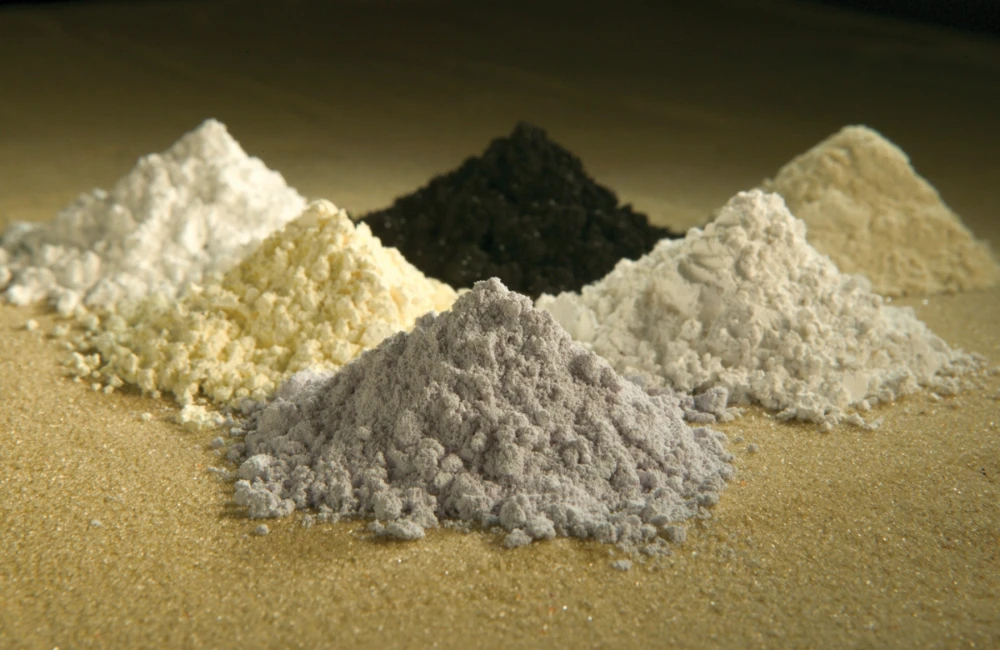
Achieving high purity is a strict requirement for commercial viability, as trace impurities can alter the physical properties of the final metal.
- High-tech applications, such as magnets for EVs, demand rare earth oxides with purities of 99.9% or higher.
- Even minute amounts of impurities like iron or copper can degrade the performance of the final alloy.
- Rigorous quality control protocols are necessary to verify that every batch meets exacting industry standards.
Navigating the Environmental Challenges of REE Processing
Environmental stewardship is a critical component of modern rare earth element processing, requiring operators to manage hazardous byproducts responsibly.
Managing Chemical Waste and Tailings
The chemical intensity of rare earth processing generates substantial waste that must be handled carefully to prevent environmental contamination.
- Large quantities of acids and bases used in leaching result in wastewater rich in salts and heavy metals.
- Solid waste, or tailings, must be stored in engineered facilities to prevent groundwater leaching.
- Effective wastewater treatment is essential for neutralizing effluents before discharge.
Handling Radioactive Elements Safely
A distinct challenge in rare earth processing is the co-occurrence of thorium and uranium in the ore. These radioactive elements require strict handling protocols to protect worker health and avoid regulatory penalties.
Processing facilities must be equipped with specialized ventilation and monitoring systems. Early identification of these elements through testing allows for the implementation of tailored safety measures throughout the processing chain.
Meeting Global Environmental Standards
To operate sustainably, processors must adhere to stringent global standards like ISO 14001. Compliance demonstrates a commitment to minimizing the ecological footprint of rare earth element processing.
At Ledoux & Co., we align with these values by ensuring our analytical processes meet the highest standards of environmental responsibility. We understand that accurate data helps clients monitor and control their environmental impact effectively.
The Critical Role of Quality Control and Analysis
Quality control provides the analytical certainty required for financial transactions and process optimization. Without precise data, stakeholders cannot accurately value materials or verify the efficiency of separation circuits.
How Accurate Data Drives REE Pricing
The valuation of rare earth materials is complex because individual elements vary vastly in market price. High-value neodymium commands a premium, while abundant cerium is cheaper.
Consequently, knowing the exact assay of the material is vital for fair trading. A comprehensive analysis prevents mispriced transactions, ensuring that buyers and sellers agree on value based on true composition rather than estimates.
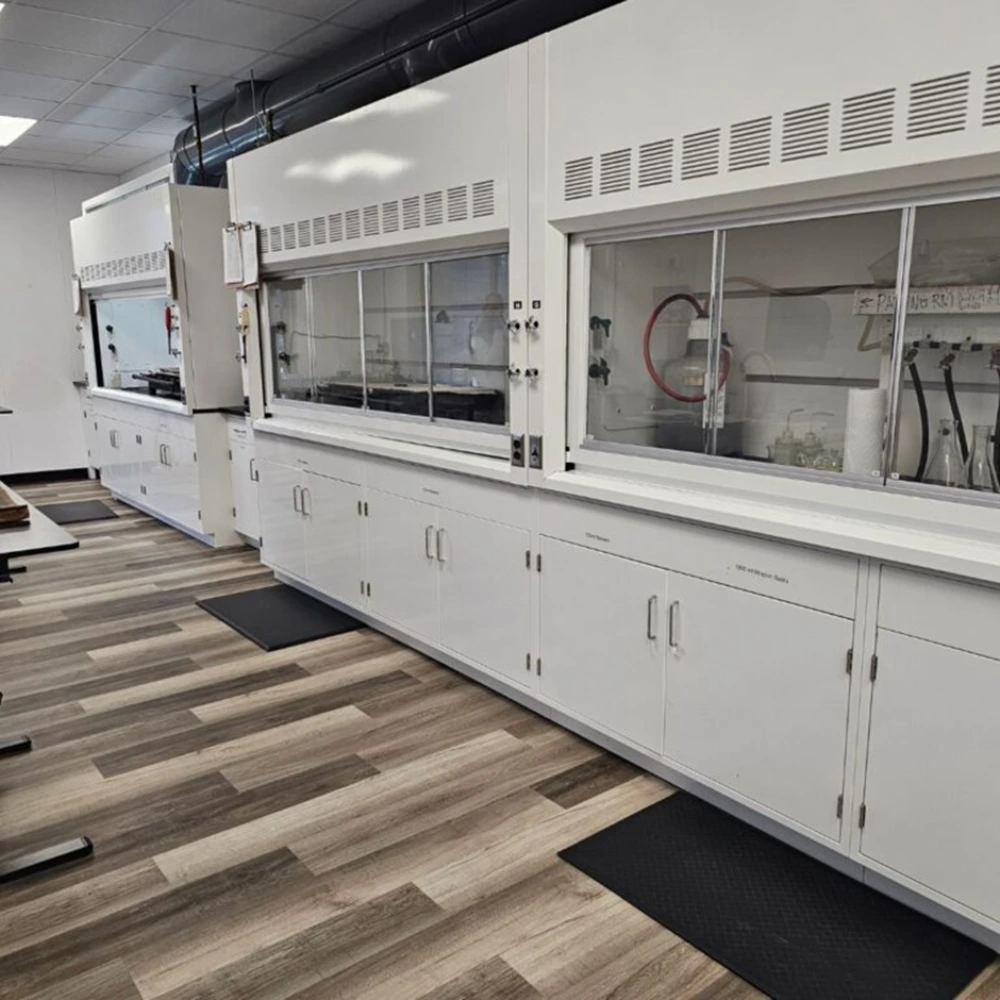
Analytical Tools for Precise Measurement
To achieve the necessary precision, the industry relies on advanced instrumental analysis rather than simple screening methods.
- ICP-OES: Inductively Coupled Plasma Optical Emission Spectrometry is the standard for routine analysis, offering robust detection limits.
- ICP-MS: Inductively Coupled Plasma Mass Spectrometry is essential for trace-level impurities and complex heavy rare earth mixtures.
- XRF Limitations: While useful for sorting, X-ray Fluorescence may lack the trace-level sensitivity required for financial settlement in complex REE matrices.
Ensuring Trust Between Buyers and Sellers
In high-value transactions, trust is paramount. Unbiased, third-party data serves as the bridge between parties with conflicting interests. We provide independent analysis that protects both buyer and seller, reducing the risk of disputes.
In cases of disagreement, “Umpire Assays” performed by a neutral laboratory like Ledoux & Co. are used to settle the difference, reinforcing the integrity of the market.
Ledoux & Co.’s Expertise in Rare Earth Element Analysis
With a legacy dating back to 1880, Ledoux & Co. supports the industry by providing ISO 17025 accredited testing services that deliver the accuracy required for critical commercial decisions.
What Materials Can We Test?
Our laboratory is equipped to handle a diverse array of materials across the entire value chain, tailoring methods to specific matrices.
- Ores and Concentrates: Providing precise elemental data for raw and partially processed materials.
- Mixed Rare Earth Products: Analyzing multi-element materials to guide separation and refining.
- Separated REOs and Alloys: Verifying the purity of final products for high-tech applications.
- Industrial Products: Testing magnets, catalysts, and ceramics for rare earth content.
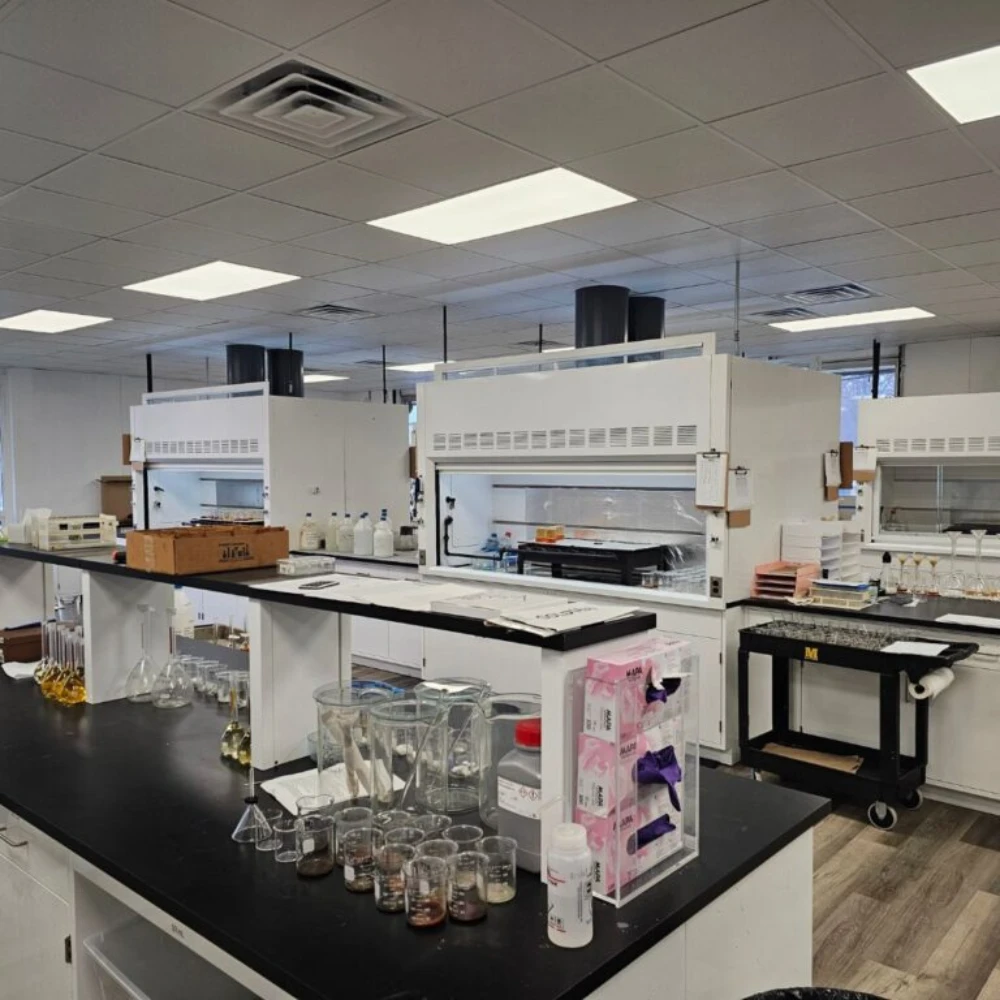
Our Custom Method Development for Unique Samples
Standard methods are not always sufficient for the complex materials encountered in rare earth element processing. We specialize in custom method development, utilizing ICP-OES and ICP-MS to resolve specific analytical challenges.
Whether dealing with a unique ore body or a specialized alloy, our team develops tailored digestion and analysis protocols to ensure representative data.
The Ledoux Legacy: Accuracy Since 1880
For over 140 years, we have been a trusted name in metallurgical analysis.
- Our reputation is built on independence, accuracy, and integrity.
- We are an ISO 17025 accredited laboratory and an affiliate member of LBMA/LPM.
- We utilize NIST-traceable standards to ensure results are accepted globally.
Key Takeaways
The complexity of rare earth element processing presents significant challenges regarding efficiency, purity, and environmental compliance. To navigate these hurdles profitably, stakeholders must rely on precise, third-party analytical data to inform every decision.
Partner with Ledoux & Co. to ensure your materials are tested with the highest level of accuracy. Contact our team today to discuss your specific testing needs.