
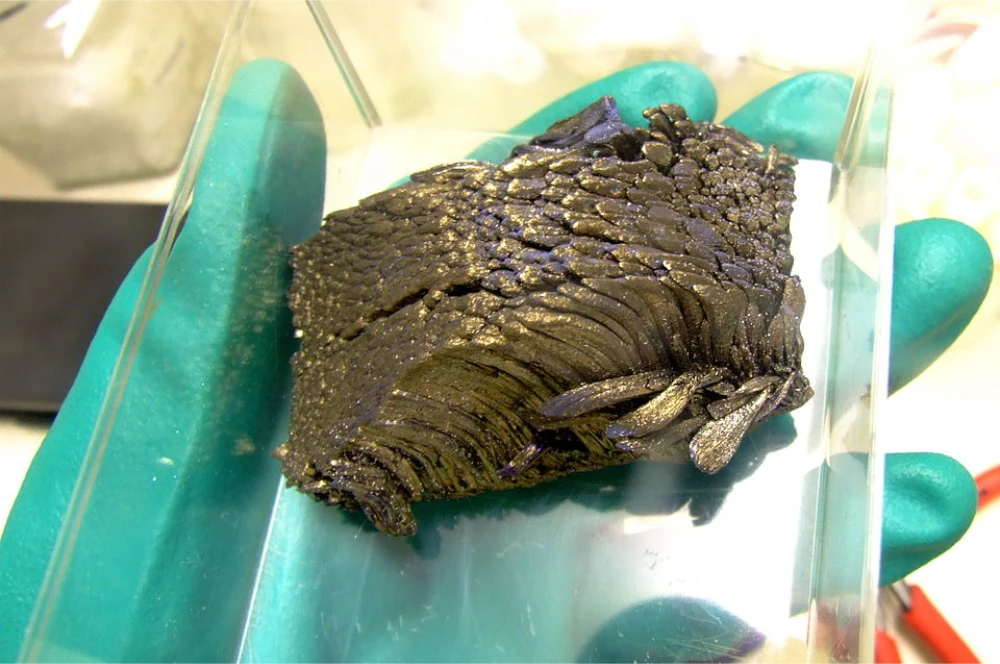
Rare earth elements in renewable energy technologies are essential because they enable high-efficiency power generation, energy conversion, and long-term system reliability.
Rare earth elements (REEs) support wind, electric vehicles, grid infrastructure, and emerging clean energy systems, yet they are often misunderstood due to analytical and valuation complexity.
Understanding Rare Earth Elements In Renewable Energy Technologies
Rare earth elements in renewable energy technologies directly support efficiency, thermal stability, and long-term operational reliability across multiple clean energy platforms.
What Are Rare Earth Elements (REEs)?
Rare earth elements consist of 17 metallic elements, including the 15 lanthanides plus scandium and yttrium. While these elements are relatively abundant in the Earth’s crust, they are rarely found in economically concentrated and easily separable forms, making extraction and refining technically complex.
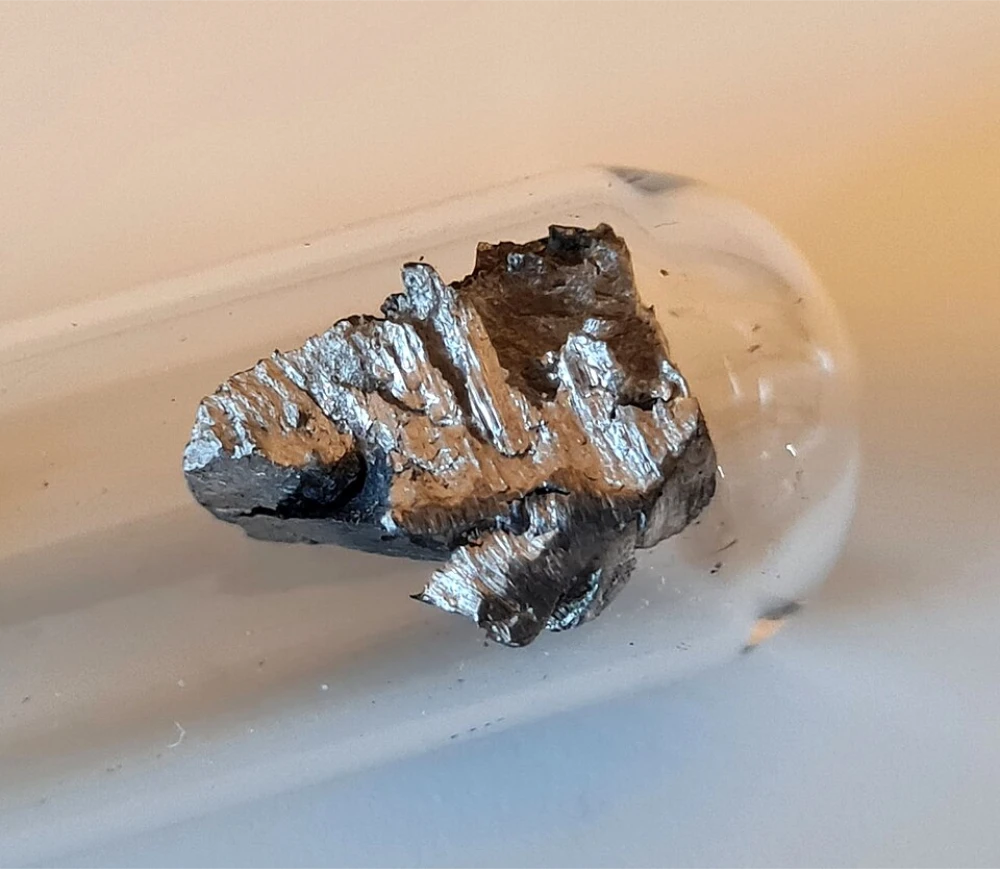
REEs are commonly grouped into light rare earth elements (LREEs) and heavy rare earth elements (HREEs) based on atomic weight and geochemical behavior. Elements such as neodymium (Nd), praseodymium (Pr), dysprosium (Dy), and terbium (Tb) are particularly critical for renewable energy applications due to their magnetic and thermal properties.
Small concentration differences can significantly influence material pricing, downstream processing decisions, and performance outcomes. As a result, precise measurement and characterization are essential to ensure fair valuation and optimal use of rare earth–bearing materials.
Why Renewable Energy Technologies Rely On REEs
REEs provide exceptional magnetic strength that enables compact, high-efficiency motors and generators. This magnetic performance allows renewable energy systems to produce more power with less material, reducing system size and weight while improving overall efficiency.
In addition to magnetism, REEs offer high thermal stability and corrosion resistance, allowing components to operate reliably under extreme conditions. Renewable energy systems depend on these properties to meet strict performance, reliability, and longevity requirements.
Attempts to substitute REEs often result in higher energy losses, bulkier equipment, or increased maintenance costs. For this reason, REEs remain foundational to modern renewable energy technologies.
Practical Applications Of Rare Earth Elements In Clean Energy
Rare earth elements in renewable energy technologies support scalable clean energy deployment across wind, transportation, and grid systems.
Wind Turbines And Permanent Magnet Generators
Modern wind turbines rely heavily on neodymium-iron-boron (NdFeB) permanent magnets to achieve high power density and efficiency. These magnets are central to direct-drive turbine designs, which eliminate gearboxes and significantly reduce mechanical losses and maintenance requirements.

Heavy rare earth elements such as dysprosium and terbium are added in small amounts to improve magnet performance at elevated temperatures. This enhancement is especially important for offshore wind projects, where harsh environments and limited maintenance access demand exceptional reliability.
Even minor analytical inaccuracies can affect material valuation, recycling yields, and long-term performance expectations.
Electric Vehicles And Energy Storage Systems
Electric vehicle traction motors widely use REEs to maximize torque density and efficiency. Permanent magnet motors reduce electrical losses compared to induction-based alternatives.
REE-enabled compact motor designs support lighter vehicles and extended driving range. At the end of life, EV motors represent a growing secondary source of recoverable rare earth materials, making accurate testing essential for valuation and recycling strategies.
Solar, Hydrogen, And Grid Technologies
REEs are used in solar panel manufacturing, including polishing powders and specialty coatings. Cerium-based compounds improve optical clarity during photovoltaic glass production.
Lanthanum and other REEs support hydrogen storage alloys and fuel cell components. Grid infrastructure relies on REEs for power electronics, stabilization, and energy conversion systems, all of which require trace-level analytical accuracy.
Supply Chain Challenges And The Importance Of Accurate REE Data
Rare earth elements in renewable energy technologies require precise, transparent data to support commercial decisions and long-term planning.
Global Supply Concentration And Market Volatility
Rare earth mining and refining are highly concentrated geographically, increasing exposure to geopolitical and logistical risks. Market disruptions can lead to rapid price fluctuations, creating uncertainty for renewable energy developers and manufacturers.

Renewable energy expansion is accelerating demand for REEs faster than new supply can be developed. Recycling and secondary sourcing are therefore becoming increasingly important to supply stability.
Transparent and accurate data reduces commercial risk by supporting informed purchasing, pricing, and investment decisions across the supply chain.
The Role Of Testing, Assay, And Characterization
Small analytical errors can have outsized impacts on pricing, blending decisions, and process design. Representative sampling is essential to achieving reliable results, particularly for heterogeneous materials such as concentrates and recycled products.
Advanced analytical techniques such as ICP-OES and ICP-MS provide multi-element, trace-level accuracy required for commercial-grade assays. These results are often used for financial settlements, arbitration, and regulatory reporting.
Independent testing minimizes disputes between buyers, sellers, and processors by providing unbiased, defensible data.
Why Industry Trusts Ledoux & Co. For Rare Earth Element Data
Rare earth elements in renewable energy technologies require independent, ISO-accredited data to reduce risk and support confident decision-making.
ISO 17025–Accredited Rare Earth Element Testing
Ledoux & Co. is an independent, unbiased metallurgical laboratory with decades of experience serving global industries. Our rare earth testing services are ISO 17025 accredited and ISO 9001:2015 certified, ensuring the highest standards of technical competence and quality management.

We use NIST-traceable standards, rigorous QA/QC protocols, and validated analytical methods. Our results are commercial-grade and suitable for contracts, settlements, and compliance reporting, helping clients avoid mispricing and downstream processing errors.
Materials We Analyze For Renewable Energy Clients
We analyze a wide range of materials for renewable energy stakeholders, including rare earth ores, concentrates, and processing intermediates. Our expertise extends to mixed rare earth products requiring multi-element characterization.
We also test separated rare earth oxides, metals, specialty alloys, spent magnets, catalysts, and advanced industrial components. Tailored method development allows us to address unique or challenging materials with confidence.
Key Takeaways
Rare earth elements are fundamental to renewable energy efficiency and scalability. Accurate, independent analysis supports pricing, recycling, and regulatory compliance. As clean energy demand grows, reliable rare earth data becomes increasingly critical.
At Ledoux & Co., we provide ISO 17025–accredited clarity you can trust. Partner with us to reduce risk and move forward with confidence.
FAQs
The following FAQs address common concerns from industry stakeholders seeking reliable data and informed decision-making about rare earth elements in renewable energy technologies.
1. How does analytical accuracy affect REE pricing?
Small errors in measured concentrations can significantly change material value. Accurate data ensures fair pricing and reduces disputes.
2. What standards govern rare earth element testing?
ISO 17025 accreditation ensures laboratories meet strict technical and quality requirements. This standard is widely accepted for commercial and regulatory purposes.
3. Why choose an independent laboratory for REE analysis?
Independent testing provides unbiased results that protect all parties in a transaction. It supports transparency, compliance, and risk reduction.
4. Which renewable technologies use the most REEs?
Wind turbines and electric vehicle motors are the largest consumers due to permanent magnet requirements. Grid and emerging hydrogen technologies also rely on specific REEs.